Custom jewelry often contains delicate materials and personalized settings that require careful cleaning to preserve shine without causing damage. The following guide outlines practical steps, safe products, and common pitfalls to help American consumers maintain their custom pieces in excellent condition.
Readers will learn a straightforward routine using common tools and specialized cleaners designed for gold, silver, gemstones, and intricate designs. The goal is to remove oils, dirt, and tarnish while protecting textures, engravings, and stones that define a custom piece.
Quick Answer
Best starting approach: use a gentle jewelry cleaning solution, soft brush, and microfiber cloth for routine care. For ultra-delicate items, skip ultrasonic cleaners and opt for manual cleaning with a mild solution and a nylon-bristle brush. Always dry completely before storing.
What You’ll Need
- Ultrasonic jewelry cleaner 2.0L for delicate rings bracelets
- Soft microfiber jewelry polishing cloth 3-pack
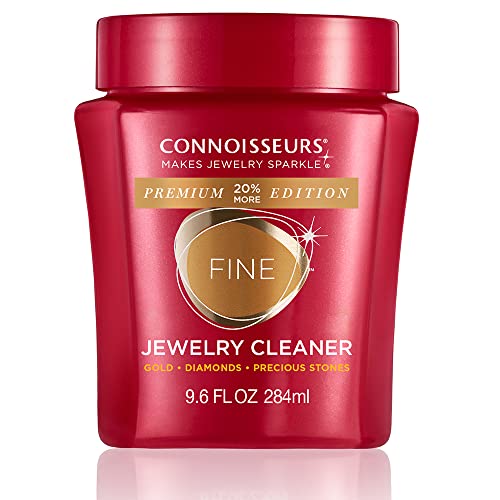
- Gentle jewelry cleaning solution for gold silver gemstones
- Jewelry cleaning brush set nylon bristles delicate pieces
- Pre-soaked jewelry cleaning wipes for custom pieces


Before You Start
Before cleaning, inspect the piece for loose stones, damaged clasps, or fragile engravings. A gentle approach is essential with custom designs that may feature pavé settings, bezels, or delicate metalwork. Work in a well-lit area, lay out a soft mat or towel, and remove any jewelry that could snag on fabrics.
Safety note: do not mix cleaning solutions with bleach or ammonia, and avoid soaking jewelry with porous stones for too long. If a piece has lab-created or natural stones with special coatings, follow manufacturer recommendations. Cleaning time should be moderate: most routine sessions take 5–10 minutes per piece.
Step-By-Step Guide: How To Clean Custom Jewelry
- Fill a small bowl with warm water and add a few drops of gentle jewelry cleaning solution for gold silver gemstones. The solution should be mild enough for mixed metals and gemstones common in custom designs.
- Dip a jewelry cleaning brush set nylon bristles delicate pieces into the solution and gently brush the piece, focusing on crevices, prongs, and engraved areas where oils accumulate.
- For settings with stones, use a soft, controlled touch to avoid loosening any component. Use a soft microfiber jewelry polishing cloth to wipe away loosened dirt from flat surfaces and to buff high-polish areas.
- If the design allows, place the item in the ultrasonic jewelry cleaner 2.0L for delicate rings bracelets for a short, low-energy cycle (1–3 minutes). Do not exceed the recommended time for fragile or porous materials.
- Rinse the piece under lukewarm running water to remove any remaining cleaning solution. Ensure the sink drain is closed or use a strainer to prevent loss if the piece slips.
- Dry the jewelry completely with a clean, lint-free cloth. Allow any moisture in hidden areas to air-dry before storing.
- Inspect the item again for any loosened settings or remaining residue. If needed, repeat a shorter cleaning pass focusing on problem areas.
- Store the cleaned piece in a soft pouch or lined jewelry box to minimize scratching and tarnish. Separate items to prevent tangling and abrasion between metals and gemstones.
- For complex or valuable pieces, consider professional inspection and cleaning at regular intervals, especially if intricate settings show signs of wear.
Troubleshooting
| Symptom | Likely Cause | Fix | Prevention |
|---|---|---|---|
| Discoloration or dull metal | Oxidation or residue buildup | Wipe with microfiber cloth; re-clean using gentle solution | Regular routine cleaning; avoid harsh chemicals |
| Loose stones after cleaning | Weak prongs or setting | Stop cleaning and take to a jeweler | Inspect settings during cleaning and avoid aggressive scrubbing |
| Scratches on surface | Rubbing with coarse material | Use softer brush and cloth; avoid rough surfaces | Store separately; use protective pouches |
| Stones not shining | Residue in settings | Gently brush around stones; rinse thoroughly | Gentle cleaning only; avoid soaking porous stones |
Common Mistakes
- Over-using an ultrasonic cleaner on soft or porous stones
- Aggressive brushing near delicate engravings or pavé settings
- Using household cleaners that contain bleach or ammonia
- Not drying the piece completely, leading to tarnish or corrosion
- Storing items loosely together, causing scratches or tangling
Being mindful of these pitfalls helps preserve the integrity and beauty of custom jewelry over time.
Tips For Best Results
- Test cleaning on a inconspicuous area first to ensure no adverse reactions
- Use the softest brush possible to minimize risk to delicate settings
- Perform routine cleaning every few weeks, adjusting frequency for wear and exposure
- Pair the cleaning routine with periodic professional inspections for settings and stones
- Keep a dedicated microfiber cloth for polishing to avoid transferring oils from other items
Call A Professional
Consider professional assistance if any of the following occur: a loose stone, scratched or bent metal, or a sensitive piece with undocumented finishes. Stop DIY cleaning if you notice changes in weight, alignment, or finish that could indicate structural issues. When in doubt, a certified jeweler can evaluate and repair without compromising the design.
FAQ
Can I clean custom jewelry with household cleaners?
It is generally not recommended, as household cleaners can be harsh on metals and delicate stones. Use a gentle jewelry cleaning solution designed for gold, silver, and gemstones.
Is it safe to use an ultrasonic cleaner on all custom pieces?
No. Ultrasonic cleaners are suitable for many pieces but should be avoided on porous stones, soft metals, or very delicate engravings.
How often should I clean custom jewelry?
Routine cleaning every few weeks is typical, with adjustments based on wear, exposure to lotions or perfume, and environmental factors.
What should I do if the jewelry has loose stones?
Do not continue cleaning. Schedule a professional inspection to secure settings and prevent loss.
How should I store cleaned pieces?
Store each piece separately in a soft pouch or lined box to prevent scratches and tarnish.
Buying Guide
The Buying Guide covers factors that influence performance and longevity for cleaning custom jewelry. Consider size, noise, energy usage, controls, and placement in daily routines. For instance, compact, low-noise ultrasonic units are convenient for home use, but smaller capacity models may require more frequent cycles. Look for adjustable cleaning times, temperature settings, and safe-use indicators that accommodate mixed materials common in custom designs. If space is limited, a compact cleaner paired with a soft cloth and pre-soaked wipes can provide a balanced cleaning workflow. Evaluate options by how they fit into existing care routines, whether for rings, bracelets, pendants, or elaborate statement pieces. Additionally, ensure compatibility with your stones and metals, and choose accessories that expand cleaning versatility (brush sets, wipes, and polishing cloths). Friendly questions to consider: Will the system handle multiple pieces in one cycle? How easy is hand-cleaning versus automated cycles? Are spare brushes and cloths readily available for maintenance?