Rust on knives can affect cutting performance and shorten the blade’s life if not addressed promptly. This guide provides a practical, step-by-step approach using common rust-removal products and household supplies to restore a dull, corroded blade while protecting the edge and finish.
Whether you’re restoring a kitchen knife, a pocket blade, or a vintage steel tool, the right technique minimizes metal loss and preserves value. The methods below focus on preserving carbon steel and stainless steel blades, with clear cautions for each material type.
Quick Answer
For light rust, start with a gentle abrasive like a steel wool pad rust removal knives or a rust eraser block for metal knife restoration, then wipe with mineral oil or a dedicated blade oil. For deeper rust, apply a commercial rust remover such as evaporust rust remover for knives or a rust remover for knives carbon steel, followed by fine polishing. Always dry thoroughly and re-oil the blade after cleaning.
What You’ll Need
- Rust remover for knives carbon steel
- Knife rust removal kit
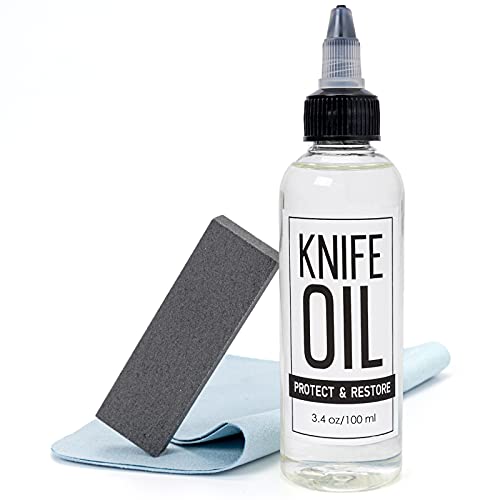
- Rust eraser block for metal knife restoration
- Steel wool pad rust removal knives
- Evaporust rust remover for knives


Before You Start
Assess the blade type and plating. Carbon steel blades are more prone to rust and require frequent oiling after cleaning. Stainless steel resists corrosion but can still rust if left untreated. Work in a ventilated area and protect the handle to avoid slip hazards. Never soak wooden handles for long periods, as moisture can damage scales and adhesives. Time estimates vary: light rust may take 15–30 minutes; heavily corroded blades can require 1–2 hours plus drying time.
Step-By-Step: How To Clean A Rusty Knife
- Identify the blade material (carbon steel vs stainless) and choose a rust-removal method accordingly.
- For light rust, apply a small amount of the rust eraser block for metal knife restoration directly to the rusted area and rub with steady pressure, working along the grain.
- If rust persists, wrap a small amount of steel wool pad rust removal knives around a wooden dowel or use it directly on the blade, avoiding edges to prevent micro-scratches.
- Wipe away residue with a clean cloth and inspect the edge; repeat as needed until rust is removed without removing significant metal.
- For deeper rust or scale, apply a commercial rust remover such as evaporust rust remover for knives following product instructions. Submerge only if the blade is fully removable and the handle is water-safe.
- Rinse thoroughly with warm water and dry completely with a microfiber cloth. Use a hairdryer on a low setting if moisture lingers in crevices.
- Lightly oil the blade with a thin coat of mineral oil or a blade-specific oil to prevent future rust, then wipe off excess.
- Reevaluate the edge with a honing rod or fine sharpening stone to restore sharpness lost during cleaning.
- Store the knife in a dry environment or with a blade guard to minimize future corrosion. Avoid leaving blades in damp sinks or dishracks.
- If heavily pitted or warped, consider professional restoration or blade replacement to avoid weakening the edge.
- Document any corrosion patterns (pitting, staining) for maintenance scheduling and future rust prevention plans.
- Schedule regular maintenance: wipe, oil, and sharpen periodically to maintain the blade’s performance and longevity.
Troubleshooting
| Symptom | Likely Cause | Fix | Prevention |
|---|---|---|---|
| Rust returns quickly after cleaning | Residual moisture or insufficient oil | Thoroughly dry; reapply a light oil coat | Store in a dry area; wipe after use |
| Edges look dull after rust removal | Over-aggressive abrasion | Switch to gentler polishing and re-sharpen | Use proper sharpening technique and guards |
| Discoloration or staining on blade | Harsh cleaners or incompatible metals | Rinse and neutralize with water; re-oil | Test cleaners on inconspicuous area first |
| Rust recurs in crevices | Rust trapped in pitted areas | Spot-treat with rust eraser block and re-oil | Prevent moisture exposure in joints and handle |
Common Mistakes
- Using aggressive abrasives that remove too much metal or damage the blade edge
- Leaving blades soaking in water or rust removers for too long
- Skipping drying steps, leading to quick re-oxidation
- Neglecting to re-oil after cleaning, increasing future rust risk
Tips For Best Results
- Test rust removers on a small area first to avoid unexpected discoloration
- Use light passes and frequent wiping to monitor progress
- Pair rust removal with a brief sharpening session to restore edge alignment
- Keep blades dry and store with a protective sheath or in a dry drawer
- Regular maintenance reduces heavy rust buildup over time
Call A Professional
Consider professional repair if:
- The blade is heirloom-grade, highly valuable, or shows extensive pitting
- The handle material is damaged or compromised by rust-removal chemicals
- There are structural concerns such as cracks near the tang or a bent blade
In these cases, a professional blade restorer or cutlery service can assess structural integrity and perform required refinishing without risking the blade’s life.
FAQ
Can you remove rust from carbon steel knives?
Yes. Light rust on carbon steel can be removed with careful abrasion and oiling; deeper rust may require rust removers designed for carbon steel.
Is it safe to use evaporust on all knives?
Most knives tolerate evaporust when used as directed, but avoid prolonged exposure on wooden handles unless the product specifies suitability.
Will rust eraser blocks damage my blade?
When used gently and with proper technique, rust eraser blocks are effective for removing surface rust without deep metal loss.
What maintenance should follow rust removal?
Dry thoroughly, apply a light oil, and store in a dry location. Re-sharpen as needed to maintain edge quality.
How often should I inspect knives for rust?
Check blades after every use, especially in humid environments, and re-oil if moisture is present.
Can I use vinegar or lemon juice for rust removal?
These acids can help with mild rust on non-delicate blades but may hasten corrosion on certain finishes; prefer commercial rust removers or safe abrasives for regular maintenance.
Buying Guide
Choosing the right rust-removal approach requires considering knife material, blade condition, and maintenance habits. When selecting products, look for compatibility with carbon steel and stainless steel to avoid damage. Consider ease of use, safety, and the potential impact on blade finish.
Buying Factors To Consider
- Size and blade type: Short kitchen blades respond well to lighter abrasives, while longer blades may require more careful handling.
- Noise level and comfort: Some kits include ergonomic handles and low-noise operation for comfort during maintenance.
- Energy efficiency is less relevant here, but product design that minimizes waste and skin contact is beneficial.
- Controls and safety: Look for simple, clearly labeled steps and protective gloves or pads if needed.
- Placement and storage: After cleaning, store blades in a dry, ventilated area to prevent future rust.
By understanding blade material, selecting appropriate rust-removal products, and following a steady maintenance routine, American users can extend the life and performance of their knives without expensive professional refinishing.