White garments can brighten a wardrobe when cared for properly, but they also show stains and dullness quickly. The following practical guide focuses on common white fabrics, safe cleaners, and step-by-step methods to restore whiteness without damaging fibers. Readers will learn to treat stains, boost brightness, and maintain whites over time with routine care.
Note: The guidance emphasizes safe use of stain removers, boosters, and detergents for white fabrics commonly found in American households. Always follow fabric care labels and test on hidden areas before full application.
Quick Answer
For fast whitening, pre-treat stains with a stain remover pen, apply an oxygen bleach powder or a laundry whitening booster, wash with a whites-detergent blend, and air-dry in sunlight or using a dryer with low heat. For tough stains, repeat the process or spot-treat with a fabric stain remover brush before washing.
What You’ll Need
- Stain remover pen for white clothes
- Oxygen bleach powder for white clothes
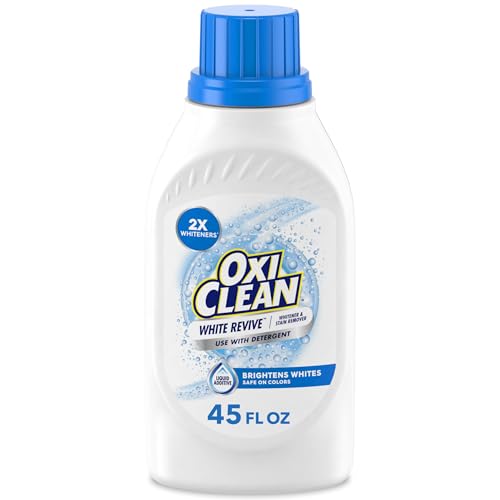
- Laundry whitening booster for whites detergent additive
- Microfiber laundry cleaning cloths for stain removal
- Fabric stain remover brush for white clothes


Before You Start
Prepare a dedicated cleaning area and read care labels on each item. Pre-treat any visible stains before washing. For best results, run whites through a full wash cycle using hot or warm water only if fabric care labels permit. Important cautions: Do not mix chlorine bleach with ammonia or acids; avoid overloading the washer; perform a patch test on new items to check colorfastness. Plan ahead: some items may require multiple sessions for stubborn stains.
Step-By-Step: How To Clean White Clothes
- Sort whites by fabric type and soil level to prevent color transfer and uneven cleaning.
- Pre-treat stains with a stain remover pen for white clothes, focusing on the most affected areas.
- Mix a gentle amount of oxygen bleach powder for white clothes into hot or warm water following the package directions, creating a soaking solution.
- Soak stained items in the solution for 30–60 minutes, agitating gently to help lift soils from fibers.
- Apply a laundry whitening booster for whites detergent additive to the wash cycle to enhance brightness without harsh chlorine bleach.
- Wash whites in a full load with a high-quality detergent designed for whites, selecting the temperature compatible with fabric care labels.
- Use a fabric stain remover brush for white clothes on stubborn areas before drying to maximize stain removal.
- After washing, inspect items while still damp. If any stain persists, repeat the pre-treat and wash steps or spot-treat again before air-drying.
- Dry whites according to fabric care labels; sun-drying can naturally boost whiteness, while low-heat in the dryer reduces fiber wear.
- For cottons and durable blends, repeat whitening boosters periodically to maintain brightness without harsh chemical use.
- Iron or steam items as needed to restore crispness after they are fully dry.
- Store whites separately from colored items to minimize re-staining and maintain brightness over time.
Troubleshooting
| Symptom | Likely Cause | Fix | Prevention |
|---|---|---|---|
| Stains reappear after washing | Residual stain not fully removed | Re-treat with stain remover pen and wash again | Pre-treat early; use correct water temperature |
| Fabric appears gray or dull | Mineral buildup or overuse of boosters | Rinse with extra water or run an extra rinse cycle; reduce booster frequency | Follow product directions; avoid excessive use |
| Colors bled onto whites | Washing with dark or bright colors | Separate whites from coloreds; use color-safe loads | Sort properly; wash colors separately |
| Clothes shrink after washing | High heat or improper care | Re-wash with appropriate setting or air dry | Follow care labels; avoid over-drying |
Common Mistakes
- Using chlorine bleach on all white fabrics, which can degrade fibers and cause yellowing over time.
- Overloading the washer, which reduces agitation and effective cleaning.
- Skipping a patch test on new fabrics before applying whiteners or boosters.
- Mixing multiple stain removers without following label instructions.
- Ignoring care labels and washing whites at inappropriate temperatures.
Tips For Best Results
- Pre-treat stains as soon as possible after they occur for the best outcome.
- Use oxygen-based whiteners instead of chlorine where possible to protect fabrics.
- Opt for sun-drying when feasible; ultraviolet light naturally brightens whites.
- Maintain a routine: wash whites separately or with dedicated whites loads to prevent color transfer.
- Keep microfiber cloths handy for quick spot removal and to wipe down surfaces before washing.
Call A Professional
Stop and seek professional help if:
- Items are delicate, vintage, or labeled “dry clean only” yet require whitening.
- Stains are persistent after multiple treatments or cover large areas.
- There is color transfer that cannot be safely corrected without specialized care.
FAQ
Can I use hydrogen peroxide to whiten clothes?
Hydrogen peroxide is a mild whitening agent that works on many white fabrics when used at low concentrations and tested on a hidden area. Check care labels and dilute properly before application.
How often should I whiten my whites?
Frequency depends on wear and soil; regular washing with a whitening booster or oxygen bleach as directed can help maintain brightness without overdoing chemicals.
Is sunlight always safe for whitening?
Sunlight can brighten whites but may cause colors to fade if fabrics are not colorfast. Use sun exposure on pure white fabrics or test first.
What’s the best method for cotton whites?
Pre-treat stains, soak in an oxygen-based solution, wash with a whites-detergent blend, and air-dry or use low heat to preserve fiber integrity.
Are fabric softeners good for white clothes?
Fabric softeners are not needed for most whites and can reduce absorbency or buildup on fibers. If used, apply sparingly and opt for color-safe products.
Should I use hot water for whites?
Hot water improves stain removal for many whites, but only if the fabric care label allows it. When in doubt, use warm water.
Is chlorine bleach ever the right choice?
Chlorine bleach can whiten and disinfect but may weaken fibers over time. Use sparingly and only on fabrics labeled safe for chlorine.
Buying Guide
When choosing products to keep white clothes bright, consider these factors:
- <bSize and compatibility: Ensure products are suitable for the fabric types in your wardrobe (cotton, synthetics, blends).
- <bNoise level: For washers and dryers with integrated boosters or dispensers, check user reviews for quiet operation.
- <bEnergy efficiency: Look for high-efficiency detergents and boosters that work well in cold or warm cycles to save energy.
- <bControls and convenience: Pre-treaters, stain remover pens, and boosters should be easy to apply and compatible with your washing machine.
- <bPlacement and storage: Store whitening products away from children and pets, in a cool, dry place, with clearly labeled usage instructions.
For most households, a coordinated set of tools—stain remover pen for white clothes, oxygen bleach powder for white clothes, a laundry whitening booster for whites detergent additive, microfiber cleaning cloths, and a fabric stain remover brush—covers routine needs while enabling effective spot treatment and refresh cycles. Consider bundling items that are designed to work together and match your fabric care routine for the best results.