Maintaining a spotless stainless steel range helps kitchen spaces look fresh and professional. This guide provides practical, step-by-step instructions using common cleaning tools and safe techniques to avoid streaks, scratches, or dulling of the surface.
The following approach blends quick daily upkeep with deeper cleaning cycles, ensuring a long-lasting, glossy finish on stove tops, doors, and surrounding panels.
Quick Answer
Do a daily wipe-down with a stainless steel appliance cleaner spray and microfiber towels to remove fingerprints and light smudges. For tougher stains, use a non-scratch scrub pad and follow with a polishing cloth set to restore shine. Avoid abrasive pads and acidic cleaners that can damage the finish.
What You’ll Need
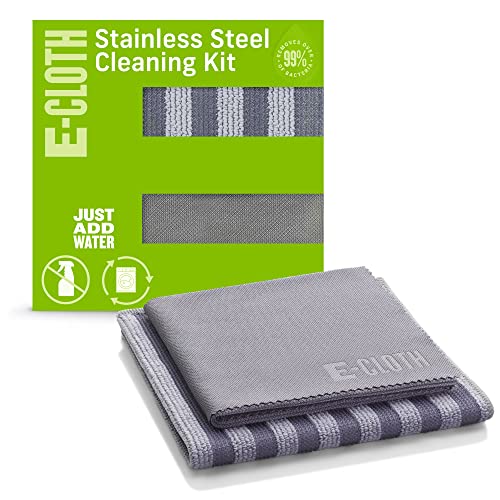
- Stainless steel stove top cleaner kit
- Microfiber cloths
- Non-scratch scrub pads for stainless steel appliances
- Stainless steel appliance cleaner spray with microfiber towels
- Stainless steel polishing cloth set for appliances
- Abrasive-free stainless steel cleaner pad for range

Before You Start
Clear the range surface and ensure the burners or coils are cool before cleaning. Work in a well-ventilated area and use protective gloves if you have sensitive skin. Test cleaners on a small, inconspicuous area first to confirm it won’t discolor the surface. Time estimate: 10–20 minutes for a standard wipe-down; 20–40 minutes for a full deep clean.
Critical cautions: never use abrasive household cleaners, steel wool, or chlorine-based products on stainless steel. Avoid applying cleaner directly to control panels or heating elements where residues could affect performance.
Step-By-Step: How To Clean A Stainless Steel Range
- Remove loose debris and wipe the surface with a dry microfiber cloth to lift dust.
- Spray a light even coat of stainless steel appliance cleaner spray on the surface or apply the stainless steel stove top cleaner kit as directed.
- Wipe with a microfiber towel, using long, smooth strokes in the direction of the grain to minimize streaks.
- For stubborn spots, apply a non-scratch scrub pad lightly and work in small circular motions, then wipe away residue with a clean cloth.
- Address control knobs and handles separately; remove or lift knobs if possible and clean with a gentle cleaner, drying thoroughly before reattaching.
- Use a damp microfiber cloth to remove any cleaner residue, then buff with a dry polishing cloth to restore shine.
- For doors and front panels, repeat the cleaning sequence, paying attention to corners and seams where grime collects.
- Finish with a final pass of polishing cloths to achieve a uniform, reflective surface without streaks.
- Optionally, apply a light, even coat of the abrasive-free stainless steel cleaner pad if renewed protection is desired, then wipe clean.
Troubleshooting
| Symptom | Likely Cause | Fix | Prevention |
|---|---|---|---|
| Streaks after wiping | Residual cleaner or improper drying | Buff with a dry microfiber cloth in the direction of the grain | Wipe in one direction; avoid circular motions |
| Scratches appearing | Using abrasive pads | Switch to abrasive-free pads and dedicated polishing cloths | Use non-scratch tools only |
| Dull or discolored spots | Harsh cleaners or chemical reactions | Re-clean with a mild, dedicated stainless steel cleaner | Test on a small area first |
| Stubborn oil buildup | Grease residues baked onto surface | Soften with cleaner and use gentle scrubbing, then rinse thoroughly | Regular maintenance to prevent buildup |
Common Mistakes
- Using bleach or ammonia-based cleaners on stainless steel surfaces
- Scrubbing with metal pads or rough brushes
- Wiping against the grain, which creates streaks
- Skipping final buffing, leaving dull spots
Sticking to the recommended tools helps maintain a pristine look and avoids long-term damage to the finish.
Tips For Best Results
- Clean in the same direction as the metal grain for a consistent finish.
- Use a dedicated microfiber cloth set to prevent cross-contamination of residues.
- Schedule routine maintenance after heavy cooking to prevent buildup.
- Store cleaners and pads in a dedicated cabinet to keep work areas organized.
- Rotate between cleaner sprays and polishing cloths to keep surfaces gleaming.
Call A Professional
Contact a professional if you notice deep discoloration, pitting, or corrosion that does not respond to routine cleaning. Seek help if the range has temperature control malfunctions or if there is a concern about removing protective coatings. Do not attempt major refinishing on built-in or appliance-integrated surfaces without guidance.
FAQ
What is the best cleaner for a stainless steel range?
Choose a dedicated stainless steel appliance cleaner spray and pair it with microfiber towels for safe, streak-free results.
Can I use the same cloth on different parts of the range?
Yes, but designate cloths for dirty versus clean areas to prevent cross-contamination.
How do I prevent fingerprints on stainless steel?
Wipe regularly with a polishing cloth after each use and apply a light protective cleaner to deter oils.
Is rubbing with a cloth in circular motions harmful?
Yes, circular motions can create swirl marks; always wipe in the direction of the grain.
Should I remove knobs for cleaning?
If possible, remove knobs to access hard-to-reach areas and clean them separately.
How often should I deep clean my range?
Deep clean every 1–2 weeks during heavy cooking seasons, with lighter daily wipes in between.
Can I use vinegar on stainless steel?
Avoid straight vinegar on some finishes; test first or use a purpose-made cleaner to prevent dulling.
Buying Guide
When selecting products to clean a stainless steel range, consider size, noise level (for nearby venting), energy efficiency of the cleaner’s packaging, and compatibility with your range’s finish. Look for compatible microfiber towels and polishing cloth sets that are gentle yet effective. If you have a glossy finish or a brushed texture, ensure the cleaner is abrasive-free to maintain the surface. For households with sensitive skin or fragrance preferences, choose fragrance-free formulas. Consider a kit that bundles a stove top cleaner, scrub pads, and polishing cloths for convenience. Finally, assess storage space and choose compact, organized solutions that fit your kitchen setup and cleaning cadence.