A backrest pillow can accumulate dirt, oils, and spills from daily use. This guide provides practical steps to refresh and maintain a clean, comfortable backrest pillow using common upholstery tools. Clear, consistent cleaning helps extend the life of the fabric and keeps seating surfaces inviting.
Following a simple, methodical approach reduces the risk of staining or fabric damage. The process below emphasizes gentle cleaning, spot treatment, and proper drying to restore fullness and softness without harsh scrubbing.
Quick Answer
Vacuum to remove loose debris, treat stains with a fabric stain remover spray or enzyme-based cleaner, use a handheld upholstery steam cleaner for deeper cleaning, wipe with a microfiber cloth, and air-dry completely. For persistent odors, repeat with a fabric cleaner spray followed by thorough drying.
What You’ll Need
- Handheld upholstery steam cleaner for cushions and pillows
- Fabric stain remover spray for upholstery backrest
- Microfiber cleaning cloth 12×12 for upholstery
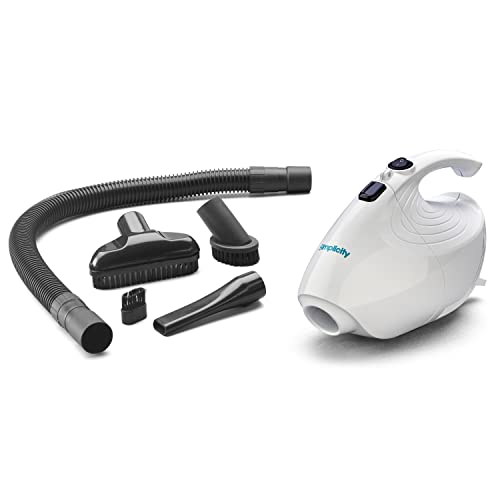
- Portable vacuum with upholstery brush attachment
- Enzyme-based fabric cleaner spray for cushions and pillows


Before You Start
Check fabric care tags on the backrest pillow for any specific cleaning instructions. Test any cleaner on an inconspicuous area first to verify colorfastness. Always unplug electrical devices and move the pillow to a well-ventilated area. Allow adequate time for air drying; damp fabric can attract more dirt if used prematurely. Keep cleaning solutions away from children and pets.
Step-By-Step: How To Clean A Backrest Pillow
- Remove loose debris with a portable vacuum using the upholstery brush attachment to lift dust from seams and fibers.
- Spot-treat stains with a fabric stain remover spray. Apply lightly and blot with a microfiber cloth, working from the outside toward the center of the stain.
- For set-in stains, apply a light mist of enzyme-based fabric cleaner spray and let it sit for 5–10 minutes before blotting away.
- Use a handheld upholstery steam cleaner on a low, careful setting to loosen soil and sanitize the fabric without soaking through to the pillow core.
- Wipe the fabric with a clean microfiber cloth to remove loosened dirt and cleaner residue.
- Repeat as needed for stubborn areas, taking care not to oversaturate the fabric.
- Allow the pillow to air dry completely in a well-ventilated area, turning occasionally to prevent mildew.
- Fluff the pillow gently once dry to restore loft and even texture.
- Optional: light spray with fabric cleaner spray for a fresh scent, then air dry again.
- Inspect for remaining stains or odors; repeat steps if necessary, ensuring full drying before use.
- Reattach pillow to its seating position only after it is fully dry to prevent damp odors.
Troubleshooting
| Symptom | Likely Cause | Fix | Prevention |
|---|---|---|---|
| Stains spread after cleaning | Excess moisture or improper blotting | Blot gently with a dry microfiber cloth; reapply cleaner sparingly | Test on small area; use minimal cleaner |
| Fabric still damp after drying | Heavy fabric or low air circulation | Increase air flow, use a fan; shorten cleaning sessions | Clean fewer areas at once |
| Offensive odor persists | Residual moisture or trapped oils | Re-clean with enzyme-based cleaner; ensure full drying | Regular maintenance and airing |
| Color fading after cleaning | Harsh chemical or high heat | Switch cleaner to milder formula; avoid heat drying | Spot-test first |
Common Mistakes
- Using too much cleaner or soaking the pillow
- Scrubbing aggressively, which can fray fabric
- Skipping a test patch on delicate fabrics
- Not drying thoroughly before use
Tips For Best Results
- Clean small areas at a time to prevent over-wetting.
- Work from the outside of a stain toward the center to avoid spreading.
- Choose enzyme-based cleaners for natural fibers to break down organic stains.
- Ventilate well during and after cleaning to speed drying and reduce odors.
- Maintain a regular cleaning schedule to keep cushions looking fresh.
Call A Professional
Consider a professional upholstery cleaning service if the backrest pillow exhibits persistent stains, significant discoloration, or a strong, lingering odor. Seek help if the fabric shows signs of bleeding color, unusual texture changes, or if the pillow has delicate or antique fabric that requires specialized care.
FAQ
Can I put the backrest pillow in a washing machine?
Most backrest pillows are not machine washable. Refer to the fabric care tag and, if in doubt, opt for spot cleaning or professional cleaning.
Is it safe to use a steam cleaner on all fabrics?
Steam cleaning is generally safe for many upholstery fabrics, but always test first and use the lowest effective setting.
How often should I clean a backrest pillow?
Light spot cleaning every few weeks and a deeper cleaning every 3–6 months, or as needed based on use and spills.
What odor removers are safest?
Enzyme-based cleaners work well for organic odors; avoid overpowering chemical scents on sensitive fabrics.
Buying Guide
When selecting cleaning tools and products for a backrest pillow, consider several factors to ensure effective maintenance without damaging fabric. Size and weight matter for maneuverability, especially around couch arms and chair backs. Noise level is a practical consideration for home use, particularly in apartments or shared spaces.
Key buying factors include:
- Size and portability: Compact handheld devices fit easily around furniture without heavy lifting.
- Noise level: Quieter models reduce disruption during cleaning sessions.
- Energy efficiency: Look for energy-saving settings on steam and vacuum devices.
- Controls and ease of use: Simple spray, suction, and steam controls improve cleaning precision.
- Placement and attachment versatility: A tube or nozzle design that reaches seams and cushions helps with thorough cleaning.
- Compatible cleaners: Favor enzyme-based and fabric-safe stain removers designed for upholstery.
For best results, compare models based on the included accessories, such as upholstery brushes and extension hoses, and assess how their cleaning power aligns with typical backrest pillow fabrics like microfiber or synthetic blends. Consider your home layout and whether you prefer a single multi-function device or dedicated tools for quicker spot cleaning. Does the setup fit your cleaning routine and space constraints? A thoughtful selection supports efficient, regular care for comfortable seating.