Hardwood floors bring warmth and elegance to American homes, but maintaining their beauty requires the right approach. This guide covers practical, safe methods to clean and sanitize sealed hardwood floors using common tools and products.
The steps below emphasize routine cleaning, stain management, and sanitizing without harming finishes. Readers will find a quick overview, a complete how-to, troubleshooting tips, and a buying guide to help choose the right cleaners and tools for their space.
Quick Answer
For most sealed hardwood floors, use a pH-neutral hardwood floor cleaner and a microfiber mop, then sanitize with an antibacterial hardwood floor spray cleaner as needed. Avoid soaking the floor, steam only if the finish is rated for it, and always follow label directions.
What You’ll Need
- pH-neutral hardwood floor cleaner spray bottle 32 oz
- microfiber mop with soft pad for hardwood floors
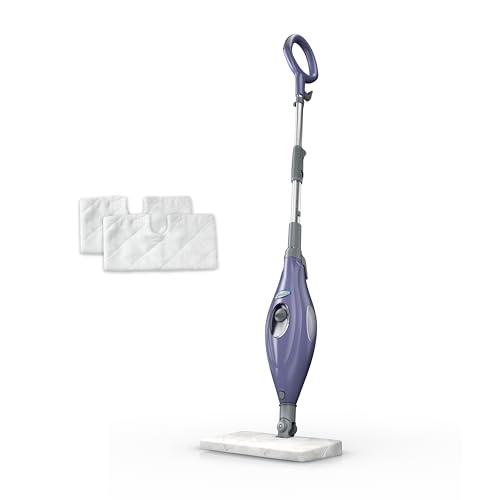
- steam mop for sealed hardwood floors
- wood floor cleaner concentrate kit refill
- antibacterial hardwood floor spray cleaner


Before You Start
Prepare the area by removing debris and loose dust with a dry microfiber cloth or broom. Test any cleaner in a small, inconspicuous area before full use to verify it won’t affect the finish. Use warm, not hot, water for most mopping sessions. Never allow excess water to sit on the floor, which can penetrate seams and cause warping. Plan cleaning in sections to maintain a consistent finish and avoid overlapping wet areas.
Step-By-Step: How To Clean And Sanitize Hardwood Floors
- Remove all furniture and rugs from the room to create a clear work area.
- Dust or sweep the floor with a dry microfiber broom to lift loose particles.
- Lightly dampen the microfiber mop pad with the pH-neutral cleaner, ensuring it is not soaking wet.
- Mop in the direction of the wood grain in small sections, keeping the pad as flat as possible to avoid streaks.
- For stubborn spots, apply a small amount of cleaner directly and gently rub with a soft cloth; avoid abrasive pads.
- Allow the floor to air-dry for a few minutes, then buff with a dry section of the microfiber pad to remove any remaining moisture.
- When sanitizing is needed, spray the antibacterial hardwood floor spray cleaner lightly on the surface, then wipe with a clean microfiber pad.
- Inspect for missed spots and re-clean only the affected areas as necessary to prevent over-wetting.
Troubleshooting
| Symptom | Likely Cause | Fix | Prevention |
|---|---|---|---|
| Streaks or dull patches | Excess cleaner or over-wetting | Use a lighter mist and a dry pad to finish | Use a dedicated microfiber pad and avoid saturating the pad |
| Water spots after drying | High mineral content in water | Wipe with a dry cloth and polish | Use distilled or filtered water |
| Finish dulling after cleaning | Harsh cleaners or improper product | Switch to a pH-neutral cleaner and follow label directions | Test in a hidden area first |
| Peeling or lifting edges | Over-wetting and poor sealing | Dry promptly; limit moisture exposure | Seasonal maintenance with controlled humidity |
Common Mistakes
- Using steam on unsealed or improperly sealed floors
- Letting standing water sit on the surface
- Using abrasive pads or generic cleaners not designed for wood
- Applying cleaners directly in excess and not wiping residue
- Ignoring manufacturer recommendations for finish type and care
Tips For Best Results
- Schedule routine cleaning to prevent dust buildup that can scratch the finish.
- Use a fresh microfiber mop head for every cleaning cycle to avoid re-depositing grime.
- When possible, choose pH-neutral cleaners specifically formulated for hardwood floors.
- Keep humidity steady to prevent gaps or warping; use a humidistat if needed.
- Rotate furniture occasionally to distribute wear evenly across the floor.
Call A Professional
Contact a pro if the floor shows deep scratches, cupping, water damage, or finish delamination. Signs that require expert attention include persistent clouding after cleaning, peeling layers, or unusual odor indicating fungal growth.
FAQ
How often should I clean hardwood floors?
Clean high-traffic areas weekly and perform a deeper wipe-down with a neutral cleaner every 1–2 weeks, adjusting for household activity and pets.
Can I use steam mops on hardwood floors?
Steam can be safe on sealed hardwood if the manufacturer approves it; otherwise, avoid steam and stick to damp mopping with a pH-neutral cleaner.
Is antibacterial cleaner necessary for routine cleaning?
Antibacterial cleaners are optional for routine cleaning; they are useful in high-traffic or multi-person spaces but follow label directions and avoid overuse.
What should I do about spills?
Wipe spills immediately with a dry cloth, then clean the area with a damp microfiber pad to remove residues.
How do I choose the right cleaner for my finish?
Check the floor’s finish manufacturer guidance and select a pH-neutral cleaner designed for hardwood floors to preserve sheen and finish integrity.
Can I refinish floors myself after cleaning?
Minor maintenance is possible, but major refinishing typically requires a professional to ensure evenness and proper sealing.
What about area rugs and furniture placement?
Use felt pads under furniture legs and rotate rug placements to reduce concentrated wear on any single area of the floor.
Buying Guide
When choosing products for cleaning and sanitizing hardwood floors, consider factors such as size, performance, and compatibility with your floor finish. Below are key buying factors to help compare options effectively.
Size and Coverage
Look for bottle sizes that fit your cleaning frequency. A 32 oz spray bottle is convenient for weekly maintenance in typical homes, and refills or concentrate kits can extend usage for larger spaces.
Finish Compatibility
Confirm that cleaners are specifically labeled for hardwood floors and compatible with your floor’s finish (e.g., polyurethane, water-based, or oil-based). This helps prevent dulling or damage over time.
Effectiveness and Safety
Choose pH-neutral cleaners for routine cleaning and consider an antibacterial option for sanitizing high-traffic areas. Avoid cleaners with ammonia, bleach, or wax-builders that may leave residues.
Application Method
Spray bottles and ready-to-use mops simplify routine cleaning. A microfiber mop provides safe, effective removal of dirt without scratching the surface.
Water Management
Floor safety depends on managing moisture. Look for products and instructions that emphasize minimal moisture and quick-drying formulas to prevent water damage.
Noise, Energy Use, And Placement
Steam mops and powered cleaners have different energy profiles; weigh convenience against potential moisture exposure and placement needs. For large open spaces, a lightweight system may improve ergonomics and efficiency.