Black flakes in a washing machine can indicate mold, mildew, or residue buildup. This guide provides practical steps for American households to clean and prevent future flakes using common cleaning tools and products. Following a routine cleaning plan helps maintain appliance hygiene and laundry results.
Quick Answer
Run a hot cycle with a dedicated tub cleaner, then scrub the drum seals and gasket with a cleaning brush. Use a mold and mildew remover spray kit on affected areas, and finish with a cold water rinse. Regular maintenance plus a monthly deep clean will minimize future flakes.
What You’ll Need
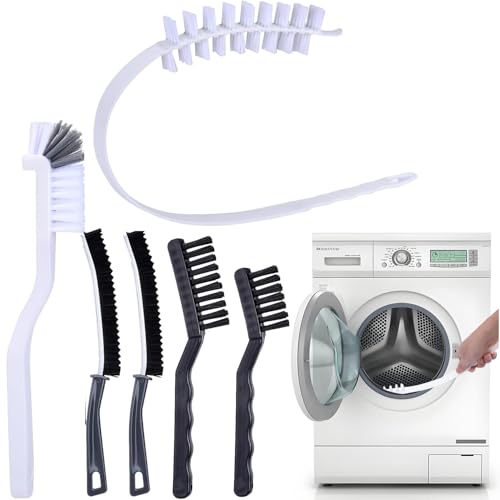
- washing machine drum cleaning brush
- front load washer gasket cleaning brush
- washing machine tub cleaner cleaning kit
- washing machine mold and mildew remover spray kit
- washing machine drain hose cleaning tool


Before You Start
Clear the area around the washer and ensure the unit is unplugged before beginning. Check the drum for loose items that could damage surfaces during cleaning. Use hot water only when the manufacturer recommends it, and never mix cleaners unless the label permits it. Expect a typical cleaning session to take 30–60 minutes depending on the severity of buildup.
Key cautions: avoid harsh abrasive scrubs that can scratch surfaces; test a small area of the gasket first if using a spray cleaner; never mix ammonia with bleach. If you notice standing water after cleaning or unusual odors persist, stop and reassess the approach.
Step-By-Step: How To Remove Black Flakes From Your Washing Machine
- Empty the drum and run a quick empty cycle to get an initial sense of residue and odor.
- Apply the tub cleaner cleaning kit to the drum according to labels, paying attention to any stains or flakes around the edges.
- Open the door and inspect the front load gasket; use the gasket cleaning brush to remove visible mold, sludge, and flakes from folds and crevices.
- Run a hot water cycle with the tub cleaner or a compatible cleaner if the detergent requires it; let the cycle complete and cool slightly before inspecting again.
- Spray the mold and mildew remover kit onto the gasket, drum edges, and any visible mildew spots; leave for the recommended dwell time, then wipe away residue with a clean cloth.
- Use the drain hose cleaning tool to clear any clogs or buildup in the hose inlet and outlet; reattach and run a short cycle to rinse the system.
- Wipe the interior drum immediately after the cycle to remove loose flakes; leave the door ajar to promote air drying and prevent future mold growth.
- Establish a maintenance routine: perform a hot-water cleaning cycle monthly and address any odors promptly with the appropriate spray kit.
- Inspect the gasket monthly for signs of wear or mold; repeat brushing and spraying as needed until the area stays clean.
- If persistent mold or flakes appear, consider a more thorough treatment or professional inspection to rule out underlying issues.
- Document any recurring problems and adjust cleaning frequency or products to suit your washer’s model and usage.
Troubleshooting
| Symptom | Likely Cause | Fix | Prevention |
|---|---|---|---|
| Persistent black flakes after cleaning | Residual mold or mineral buildup | Re-run tub cleaner cycle and inspect gasket; use mildew remover spray kit | Regular monthly cleaning; use appropriate detergent amounts |
| Foul odor remains | Moist environment inside drum or gasket | Leave door open after cycles; apply mildew remover and wipe dry | Keep area dry between loads |
| Clogged drain hose | Lint and debris accumulation | Use drain hose cleaning tool; flush with water | Check hoses yearly and install a lint trap if possible |
| Leaking after cleaning | Over-application of cleaners or worn gasket | Rinse thoroughly; inspect and replace gasket if needed | Follow product directions; avoid over-spraying |
Common Mistakes
- Using abrasive brushes that damage drum or gasket surfaces
- Mixing cleaners not labeled as compatible
- Rushing the dwell times on spray products, reducing effectiveness
- Ignoring mold growth in seams or behind the soap dispenser
Tips For Best Results
- Coordinate cleaning with a low-usage day to allow drying time
- Use the right brush for the gasket folds to reach tight crevices
- Schedule a monthly or bi-monthly cleaning routine based on usage
- Keep the washer door ajar after cycles for better air circulation
- Keep a dedicated bottle of mildew remover spray kit for quick touch-ups
Call A Professional
Contact a professional if there is standing water after cycles, persistent mold despite cleaning, or visible damage to the drum or gasket. Unusual noises, leaking seals, or a malfunctioning drain system warrant prompt inspection to prevent further damage and ensure safe operation.
FAQ
What causes black flakes in a washing machine?
They often come from mold or mildew growth in damp areas like the gasket, drum folds, or soap dispenser, plus mineral buildup from hard water.
How often should I clean my washing machine?
In general, perform a deep clean monthly and spot-clean the gasket as needed between cycles.
Can I use bleach to remove mold in a front-loading washer?
Bleach can be effective but must be used only if the manufacturer allows it; follow label directions and never mix with ammonia.
Is it safe to use a drain hose cleaning tool?
Yes, designed tools help clear clogs; ensure the machine is unplugged and follow tool instructions carefully.
Should I leave the door closed after cleaning?
No; leaving the door open after cycles helps air-dry the interior and reduces moisture-related mold growth.
What if odors return quickly after cleaning?
Reassess for hidden mold in the dispenser drawer, drains, or behind the gasket and consider a stronger mildew spray treatment.
When should I replace a gasket?
Replace the gasket if it shows cracks, tears, or persistent mold that cannot be cleaned effectively.
Buying Guide
When selecting tools and cleaners for black-flake prevention, consider these factors to optimize performance and value.
- Size and compatibility: Choose tools and sprays labeled for front-load washers and compatible with your model.
- Noise and energy impact: Most cleaning cycles add minimal energy use; look for efficient, low-noise options.
- Controls and ease of use: Prefers clearly labeled spray kits and brushes with comfortable grips.
- Placement and storage: Keep cleaners and tools organized in a cabinet near the washer for quick access.
- Chemical safety: Use enzymes or mildewcide products designed for laundry appliances; avoid mixing cleaners.
- Maintenance frequency: Set a reminder to perform monthly tubs and gasket cleaning to prevent buildup.
- Brand and warranty: Choose reputable brands with clear instructions and warranty coverage for parts like gaskets and hoses.
By selecting the right combination of a tub cleaner kit, gasket brush, and mildew remover spray, homeowners can simplify maintenance and reduce the recurrence of black flakes. Would you like help tailoring a cleaning schedule to your washing machine model and household usage?