Maintaining the beauty of hardwood floors involves a consistent routine with the right tools and cleaning solutions. This guide explains a safe, step-by-step method to clean hardwood floors effectively while protecting their finish and longevity. It emphasizes using pH-neutral cleaners and compatible tools to avoid damage and streaks.
Quick Answer
Best practice is to use a pH-neutral hardwood floor cleaner spray or a wood floor cleaner kit microfiber pads with a microfiber mop. Dust regularly with a dust mop for hardwood floors, and deep clean with a damp microfiber approach before rinsing if needed. Avoid harsh soaps or excess water.
What You’ll Need
Before you start, assemble the following tools and supplies. The goal is to have a gentle, efficient cleaning routine that preserves finish and minimizes moisture exposure.
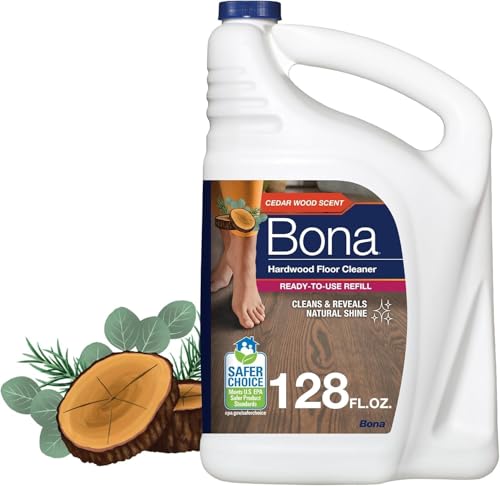
- pH-neutral hardwood floor cleaner spray or a compatible wood floor cleaner kit microfiber pads
- Microfiber mop for hardwood floors or a microfiber pad attachment compatible with your mop
- Dust mop for hardwood floors for daily dust and debris
- Wood-safe cleaning concentrate refills and spray bottle (if using concentrates)
- Soft microfiber cloths for touch-up spots


Before You Start
Prepare the room by removing area rugs and moving furniture if feasible. Sweep or dust mop to remove loose dirt that could scratch the surface. Test any cleaner in an inconspicuous area for colorfastness and finish compatibility. Avoid soaking the floor or using excessive water, as standing moisture can warp wood. Plan a cleaning window of 20–45 minutes for average rooms, plus a longer session if multiple rooms are involved.
Step-By-Step: How To Clean Hardwood Floors
- Clear the area and dust with a dust mop for hardwood floors to remove loose debris.
- Spot-check a small area with pH-neutral hardwood floor cleaner spray to confirm there is no dulling or residue.
- Lightly dampen the microfiber mop for hardwood floors with the cleaner or a diluted wash solution following the product instructions.
- Sweep or mop along the grain in smooth, even strokes, avoiding faucet-like sprays directly on the floor to minimize moisture exposure.
- For stubborn spots, apply a small amount of cleaner to a microfiber cloth and gently rub in a circular motion, then wipe clean with a dry section of cloth.
- Rinse isn’t always required with a dedicated cleaner, but if using a concentrate, ensure you follow dilution instructions and wipe away any excess residue with a dry microfiber pad.
- Dry the floor with a clean, dry microfiber pad or a soft towel to ensure no water remains on the surface.
- Return furniture and rugs after the floor is completely dry to prevent watermarking and scuffing.
- Schedule routine maintenance: dust daily, light clean weekly, and a deeper clean monthly using recommended products.
- Store any concentrates or cleaners in a cool, dry place away from children and pets when not in use.
- Consider rotating to a regular cleaning kit that includes wood floor cleaner kit microfiber pads and a compatible microfiber mop for hardwood floors for ongoing care.
Troubleshooting
| Symptom | Likely Cause | Fix | Prevention |
|---|---|---|---|
| Streaks or haze after cleaning | Residue from cleaner or over-wetting | Wipe with a clean dry pad and switch to a lightly damp mop | Use a pH-neutral formula and follow dilution guidelines |
| Water spots or warping | Excess moisture left on wood | Dry floor thoroughly with microfiber pad | Wring mop well; never leave standing water |
| Scratches after cleaning | Debris scratched into surface or abrasive pads | Use softer microfiber pads and ensure area is free of grit | Regularly sweep or dust before mopping |
| Finish dulls over time | Harsh cleaners or improper frequency | Switch to pH-neutral cleaners and reduce cleaning frequency | Follow manufacturer recommendations for maintenance |
Common Mistakes
- Using harsh detergents or ammonia-based cleaners on hardwood floors
- Excessive moisture during mopping or rinsing
- Using abrasive brushes or rough cloths that scratch the finish
- Neglecting routine dusting and failing to remove grit first
Tips For Best Results
- Adopt a daily light dusting routine with a dust mop for hardwood floors to reduce buildup.
- Choose a pH-neutral hardwood floor cleaner spray for regular cleanings to protect finishes.
- Use a microfiber mop for hardwood floors to lift dirt without pushing it into seams.
- Keep a small bottle of cleaner ready for quick touch-ups and spill management.
- Test any new cleaner in an inconspicuous area before full use.
Call A Professional
Seek professional help if there are signs of water damage, deep staining, cupping, or finish deterioration that cleaning alone cannot remedy. If you notice persistent warping, gaps between planks, or a finish failure that affects durability, a flooring specialist or licensed technician should assess the situation.
FAQ
What kind of cleaner should I use on hardwood floors?
Use a pH-neutral hardwood floor cleaner spray or a compatible solution designed for wood floors to protect the finish.
Can I use a steam mop on hardwood floors?
Steam mops are generally not recommended for sealed hardwood floors as heat and moisture can damage the finish over time.
How often should I deep clean hardwood floors?
Deep cleaning once a month or as needed based on traffic and mess is typically sufficient when paired with daily dusting.
Is it safe to use concentrates for cleaning?
Yes, but follow the dilution guidelines exactly and rinse or wipe away residues to avoid build-up.
Should I wax or polish wood floors?
Most modern hardwood floors are treated with a protective finish that does not require wax; consult the manufacturer guidance if in doubt.
Buying Guide
Choosing the right cleaning setup for hardwood floors involves several factors that influence results and care over time. Consider these perspectives to optimize performance and protect flooring investments.
- Size and layout: Large rooms benefit from a longer microfiber mop head and fewer transitions between cleaning passes.
- Noise level: A quiet mop and low-splash spray bottles reduce disruption in living spaces.
- Energy efficiency and sustainability: Select cleaning products with low-VOC formulas and recyclable packaging when available.
- Controls and usability: Look for spray mops or kits with simple, easy-to-connect nozzles and refill options.
- Placement and storage: Store cleaners away from sunlight and heat, with a compact kit for apartments or smaller homes.
- Performance and compatibility: Ensure cleaners and pads are labeled for hardwood floors and finish type (sealed vs unfinished).
- Cost of consumables: Plan for replacement pads and concentrates; compatible refills help manage long-term costs.
- Maintenance routine: Align tools with your cleaning schedule—daily dusting, weekly mopping, monthly deep clean—and pick products that support that cadence.