Maintaining a clean bite guard protects your teeth, mouth tissues, and overall oral health. Regular cleaning reduces bacteria buildup, odors, and potential irritation. This guide walks through practical, American-friendly methods using common products and easy routines to keep your night guard clean and safe.
Quick Answer
Clean daily with a gentle routine using a soft bristle toothbrush and a mild cleaning agent. For deeper cleaning, consider ultrasonic cleaning or one of the dedicated cleaning products listed below. Rinse thoroughly and air-dry completely before storing in a ventilated case.
What You’ll Need
Gather tools and products that cover general cleaning and deeper sanitation. The following list is designed to align with common U.S. consumer options and the keywords provided.
- Soft bristle toothbrush for night guard cleaning
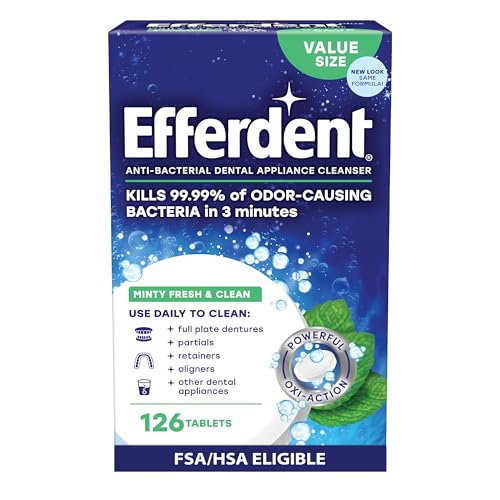
- Night guard cleaning tablets or denture cleaner
- Ultrasonic cleaner for night guard
- Mouth guard cleaning spray or dental guard sanitation spray
- Dental guard sanitizing wipes kit


Before You Start
Before handling a bite guard, wash hands with soap and water. Inspect the guard for cracks or tears, since damage can harbor bacteria. Always follow the manufacturer’s cleaning instructions if provided. Avoid hot water which can warp the material; use lukewarm water instead. Time estimate: 5–15 minutes per cleaning session, plus drying time. Important safety note: never boil or microwave a bite guard, and never use harsh cleaners not designed for dental appliances.
Step-By-Step: How To Clean A Bite Guard
- Rinse the bite guard under lukewarm running water to remove loose debris.
- Apply a small amount of soft bristle toothbrush to gently brush all surfaces in a circular motion, paying attention to crevices.
- Use a mild night guard cleaning tablets or denture cleaner per package directions for a deeper clean. Soak the guard for the recommended time, then rinse well.
- For stubborn buildup, place the guard in an ultrasonic cleaner for night guard with plain water or a manufacturer-approved cleaning solution and run a short cycle.
- After cleaning, spray or wipe the guard with a mouth guard cleaning spray or dental guard sanitation spray, ensuring all surfaces are coated lightly, then rinse again.
- Pat dry with a clean towel or lint-free cloth, then air-dry fully in a well-ventilated area away from direct heat before storing.
- Store in a breathable case to prevent moisture stagnation and odor buildup.
- For routine maintenance, consider weekly deep cleaning using one of the dedicated products and adhere to the manufacturer’s guidance.
- Replace the bite guard if you notice cracks, thinning, or persistent odors after cleaning steps.
Troubleshooting
| Symptom | Likely Cause | Fix | Prevention |
|---|---|---|---|
| Persistent odor after cleaning | Bacterial buildup or material degradation | Increase cleaning frequency or switch to an approved cleaning tablet | Rinse thoroughly and dry completely after each use |
| Guard feels sticky | Residual cleaning agents | Rinse with plenty of water until no residue remains | Use only recommended cleaners |
| Visible discoloration | Staining from beverages or tobacco | Soak in denture cleaner as directed, then scrub gently | Rinse after meals and avoid staining substances |
| Material warped or cracked | Exposure to heat or harsh chemicals | Discontinue use and replace the guard | Store away from heat; use safe cleaners only |
Common Mistakes To Avoid
- Using hot water or boiling to clean the guard, which can warp the material.
- Over‑soaking in harsh cleaners not designed for dental devices.
- Skipping thorough rinsing after cleaning, leaving residues that irritate the mouth.
- Storing in a closed container while still damp, promoting mold growth.
Tips For Best Results
- Schedule a daily quick rinse and brush, plus a weekly deep clean with a tablet or ultrasonic cycle.
- Keep a dedicated soft brush for the guard to prevent cross-contamination with toothbrushes used for teeth.
- Rinse and dry completely before storing to minimize odors and bacteria.
- Follow the product labels precisely to avoid material damage or reduced effectiveness.
- If multiple cleaners are used, ensure they are compatible and rinse well between products.
Call A Professional
Seek professional advice if the bite guard shows persistent odor, cracks, warping, or irritation in the mouth after cleaning. Stop using the device if you notice damage or if cleaning does not restore hygiene. A dentist or dental appliance specialist can inspect for fit issues, recommend replacements, or guide proper care tailored to your specific material type.
FAQ
How often should I clean my bite guard?
Clean daily with a brushing routine and perform a deeper clean weekly or as recommended by the product guidelines.
Can I use regular toothpaste to clean my bite guard?
Avoid using regular toothpaste on some materials; choose a mild cleaner or the recommended cleaning tablets to prevent abrasion.
Is an ultrasonic cleaner safe for all bite guards?
Ultrasonic cleaners are generally safe for many flexible materials, but always check the manufacturer’s instructions for your specific guard.
What should I do if my bite guard has a foul odor after cleaning?
Reassess the cleaning routine, soak in an approved denture cleaner, and rinse thoroughly. If odor persists, consult a professional for evaluation.
Buying Guide
Choosing the right cleaning approach for a bite guard depends on several factors. Start with daily brushing and basic rinsing, then decide if you want deeper cleaning with tablets or an ultrasonic cleaner. When selecting products, consider the material of your guard, the ease of use, and how the solution interacts with the device. Does the product fit your lifestyle and budget? Are there compatibility notes for your guard’s material? Look for options that offer clear instructions and convenient storage solutions. A balanced kit often includes a soft brush, a cleansing tablet, and optional sanitation wipes or spray to accommodate different preferences and routines.
Buying Factors: Size, Noise, Energy, Controls, Placement
Size: Choose a compact ultrasonic cleaner or tablets that suit travel and home use. Noise: Some devices operate quietly; if a quiet routine is important, review user feedback on noise levels. Energy efficiency: Look for energy-friendly models and battery-powered options for portability. Controls: Simple on/off cycles with clear labeling help prevent misuse. Placement: Store in a dry, ventilated area away from heat sources. For those seeking minimal maintenance, a cleansing spray kit paired with sanitizing wipes can offer quick, on-the-go options.