Crazy glue, or cyanoacrylate adhesive, bonds quickly and firmly. When unwanted glue spots appear on skin, clothing, or work surfaces, a careful cleaning approach is essential to avoid damage. This guide provides practical steps, safety tips, and product options to remove dried and fresh cyanoacrylate residue effectively.
Whether you’re tackling a small DIY mishap or handling industrial adhesives, the right tools and methods can simplify cleanup. The guidance below emphasizes safe handling, appropriate removers, and surface-friendly techniques to minimize staining or scratching.
Quick Answer
Best first step: identify the surface and use a compatible remover. For skin, avoid forceful scraping; for hard surfaces, a solvent followed by gentle scrubbing often works. For delicate plastics, test a small area first and use gentle tools.
What You’ll Need
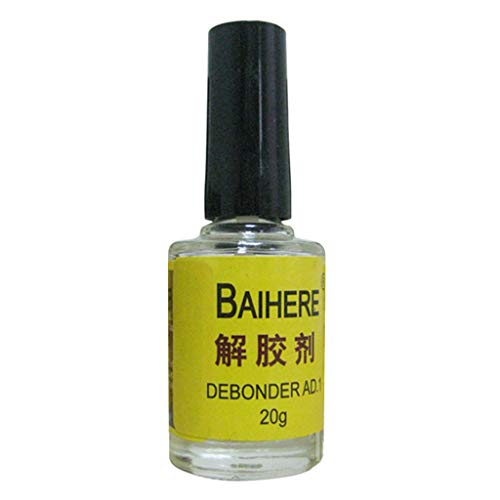
- cyanoacrylate remover debonder liquid
- acetone-based super glue remover
- super glue remover gel for dried adhesive
- plastic scraper and razor blade for glue removal set
- isopropyl alcohol glue remover safe on plastic


Before You Start
Read labels and ensure proper ventilation when using chemical solvents. Work on a protected surface and wear gloves to prevent skin contact. Do not use acetone or strong solvents on porous or painted surfaces without testing first. Time your cleanup steps to avoid evaporation or residue setting. For fabrics, spot-testing is essential to prevent color bleed or fiber damage.
Step-By-Step: How To Clean Crazy Glue
- Identify the surface type and the glue state (wet or dried). For skin, proceed with gentle steps; for hard surfaces, follow with a solvent if needed.
- Apply a small amount of cyanoacrylate remover debonder liquid or acetone-based super glue remover to a cotton swab. Let it sit for 1–3 minutes to soften the bond.
- Gently lift a corner of the adhesive with a plastic scraper or edge of a razor blade for glue removal set, taking care not to scratch the surface.
- If any residue remains, reapply the remover and gently re-scrape. For leather or fabric, dab rather than rub to avoid spreading the adhesive.
- For dried glue on non-porous plastics, apply super glue remover gel for dried adhesive and let it penetrate before scraping again.
- Wipe away softened glue with a clean cloth and finish with isopropyl alcohol glue remover safe on plastic to remove any oily residue.
- Rinse or wipe the area with water if the surface allows, and dry thoroughly to prevent moisture-related marks.
- Repeat steps if needed, using the least aggressive method first to minimize surface impact.
- For fabrics, blot with water and a mild detergent after adhesive removal, then air dry away from direct heat.
- Test on a small inconspicuous area before applying solvents widely to ensure colorfastness or finish integrity.
- Dispose of used materials and cleaners according to local guidelines after cleaning.
Troubleshooting
| Symptom | Likely Cause | Fix | Prevention |
|---|---|---|---|
| Adhesive remains after solvent | Insufficient contact time | Reapply remover, let sit longer, then scrape again | Test surface first; use the right remover for the surface |
| Scratches on plastic | Overly aggressive scraping | Switch to softer methods, use plastic scraper at low angle | Work slowly; avoid metal tools on soft plastics |
| Discoloration on fabric | Solvent damage or dye migration | Rinse immediately and launder with color-safe detergent | Test on hidden area; use minimal solvent |
| Glue reappears after drying | Residual oil or film left behind | Wipe with isopropyl alcohol and dry completely | Clean with final wipe to remove any residue |
Common Mistakes
- Using heat or hot water to loosen glue, which can set the bond further
- Scrubbing too hard, risking surface damage or scratches
- Applying solvent directly to porous materials without testing
- Rushing the process and skipping test patches
Tips For Best Results
- Always start with the mildest method and a small test area.
- Ventilate well when using acetone-based products; keep away from flames.
- For skin, avoid pulling skin apart; soak in warm, soapy water as a gentler first option.
- Leverage multiple tools: solvent, then scraper, then alcohol for residue removal.
- Store adhesives and removers out of reach of children and pets when not in use.
Call A Professional
Seek professional help if the glue is bonded to delicate electronics, electronics housing, or valuable fabrics with colorfast concerns. If you encounter persistent staining, cracks, or swelling after cleaning, a professional conservator or cleaning service should assess the surface to prevent irreparable damage.
FAQ
Can I use acetone on every surface?
Not always. Acetone can damage some plastics and finishes. Always test a hidden area first and consider less aggressive options if unsure.
Is it safe to use isopropyl alcohol on painted surfaces?
Yes on many paints, but test first and avoid prolonged exposure on delicate or flexible coatings.
How long should remover stay on the glue?
Typically 1–3 minutes, but follow product instructions and reapply if needed.
What should I do if glue gets on clothing?
Treat promptly with a remover appropriate for fabrics, then wash as directed on the garment label.
Is warm water helpful for glue removal?
Warm water can help with skin or fabric cleanup after solvent application; it is not a primary solvent for dried cyanoacrylate.
What if the glue bond is still strong after cleaning?
Consider repeating steps with a different remover or consult a professional for difficult surfaces.
Can I reuse the cleaned cloth or tool?
Rinse thoroughly and air dry; replace if contaminated or saturated with adhesive residue.
Buying Guide
When selecting tools and removers for cleaning crazy glue, consider size, noise level, and surface compatibility. Key factors include:
- <bSize and form: Choose a gel for dried adhesives to minimize spillage, and liquids for quick work on contact surfaces.
- <bSurface compatibility: Ensure products are labeled safe for plastics, fabrics, or metals as needed.
- <bEffectiveness: Look for product combinations that address both fresh and dried adhesives, including gel and debonder liquids.
- <bControl and safety: Prefer tools with controlled applicators, gloves compatibility, and clear usage instructions.
- <bPlacement: Have a dedicated workspace with ventilation and protective mats to catch drips and minimize mess.
For comparisons, consider whether you need a fast-acting solvent for hard surfaces, a gel for careful application, or a versatile remover set that covers multiple material types. Think about your typical cleanup tasks—skin, clothing, electronics, or plastics—and choose products that cover those scenarios efficiently. Are you cleaning light spots on fabric or stubborn dried glue on plastic? Then match the product to the most common use case in your workshop.