Maintaining a French horn involves regular cleaning to preserve tone quality, prevent corrosion, and extend the instrument’s life. This guide provides a practical, step-by-step approach using common brass-cleaning tools. The methods shown suit hobbyists and developing players alike, with safety tips and a clear checklist to simplify routine maintenance.
Quick Answer
Focus on flushing the horn with a cleaning snake or brass instrument cleaning kit, then scrub the mouthpiece, bell, and valve areas separately with appropriate brushes. Dry thoroughly and reassemble. Regular weekly cleanings prevent buildup and ensure smooth valve action.
What You’ll Need
- French horn cleaning snake
- Brass instrument cleaning kit with snake and brushes
- French horn mouthpiece brush
- French horn bell brush
- Valve brush for French horn
- Soft microfiber cloths


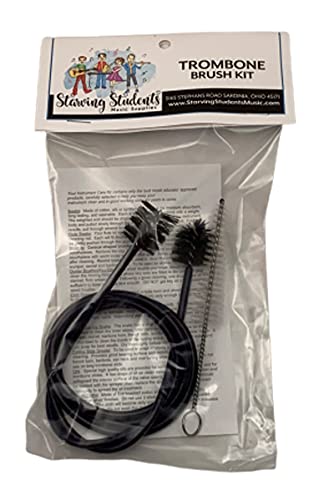
Before You Start
Prepare a clean, well-lit workspace. Gather all tools before beginning. Keep liquids away from the valves and slides to avoid damage and avoid forcing brushes through tight passages. Time estimate: 20–45 minutes for a full clean, longer if a full disassembly is required. Work calmly to prevent bending or misplacing parts.
Step-By-Step: How To Clean A French Horn
- Disassemble the horn: remove the mouthpiece, slide sections, and any detachable valve caps per manufacturer guidance.
- Rinse the exterior: wipe the exterior with a soft cloth to remove visible dust and oils.
- Flush the interior: insert the cleaning snake into the leadpipe and run it through the tubing to loosen buildup.
- Clean the mouthpiece: use the mouthpiece brush and warm, mild soap to scrub the mouthpiece interior and exterior. Rinse thoroughly.
- Brush the bell: use the bell brush to gently scrub the bell interior and exterior surfaces, avoiding the leadpipe junctions that could bend.
- Clean the valves: with the valve brush, carefully scrub around each valve casing and underneath valve springs if accessible, keeping brushes dry between passes.
- Rinse all components: run clean water through the horn pieces to remove any soap or debris. Avoid soaking delicate parts for too long.
- Dry completely: use microfiber cloths to dry each section thoroughly. Allow parts to air-dry further if needed before reassembly.
- Reassemble and polish: reassemble the horn in the reverse order, then lightly polish the exterior with a dry cloth for a final shine.
- Test for leaks and action: reattach the mouthpiece, oil or grease slides as recommended, and test the valves for smooth movement.
- Routine maintenance: perform a quick rinse after playing in humid conditions and schedule a deeper cleaning every few months.
Troubleshooting
| Symptom | Likely Cause | Fix | Prevention |
|---|---|---|---|
| Stiff or sluggish valves | Residue buildup | Clean valves thoroughly and oil | Regular cleaning schedule |
| Discolored mouthpiece interior | Buildup or staining | Brush with mouthpiece brush and mild soap | Rinse and dry after use |
| Unclear tone or air leaks | Dirty slides or misassembled parts | Inspect seals; clean slides; reseal | Keep slides lubricated and properly aligned |
| Water trap or condensation in horn | Poor drying | Dry thoroughly; shake excess water from slides | Dry before storage |
Common Mistakes
- Using harsh chemicals that corrode brass or pads
- Forcing brushes through narrow passages
- Neglecting the mouthpiece and bell interiors
- Letting parts soak too long or neglecting drying time
Careful attention to brushes, timing, and drying helps prevent damage and maintains performance quality.
Tips For Best Results
- Follow manufacturer recommendations for lubrication after cleaning.
- Work slowly and methodically to avoid bending or misplacing parts.
- Use a dedicated cleaning snake designed for brass instruments to minimize residue.
- Keep a regular cleaning schedule, especially after practicing long sessions.
Call A Professional
Seek professional help if the horn shows persistent sticking valves after cleaning, obvious denting, or water leaks that do not resolve with routine maintenance. Do not attempt major disassembly beyond basic guidance.
FAQ
How often should I clean a French horn?
Perform a quick wipe after playing and a deeper clean every 1–3 months, depending on usage and environment.
Can I use household cleaners on a French horn?
Avoid household cleaners; use only brass-safe cleaning products and tools designed for brass instruments.
What is the best way to dry the horn after cleaning?
Pat dry with a microfiber cloth and let parts air-dry completely before reassembling.
Do I need to oil the valves after cleaning?
Yes, apply valve oil as directed by the manufacturer after cleaning to ensure smooth operation.
Buying Guide
Choosing cleaning tools for a French horn depends on instrument type, maintenance routine, and personal preference. Key buying factors include size compatibility with your horn’s leadpipe and bell, noise level of brushes, and the set’s completeness. Look for a kit that includes a French horn cleaning snake, a mouthpiece brush, a bell brush, and a valve brush to cover all major areas. Consider sets that bundle with guidance or a quick-start guide to ensure proper usage. For frequent travel, compact kits with durable, protective cases add practical value. Ensure the tools are labeled safe for brass surfaces and won’t leave abrasive residues.
How to compare options: check the included brushes, test comfort of handling, read user reviews on durability, and verify compatibility with your horn model. If you own a model with unusual valve configurations, verify that the kit’s brushes can reach critical areas without damaging components.