Yellow tones in white, silver, or gray hair can dull the complexion and wash out the natural brightness. This guide focuses on practical, salon-inspired methods to neutralize yellow, using a mix of colored toners, chelating agents, and gentle care routines that are suitable for American hair types and routines. Readers will learn how to identify causes, select the right products, and apply steps that minimize damage while restoring cool, bright tones.
Quick Answer
Quick method: Use a color-depositing toner or purple/blue shampoo in combination with a chelating shampoo to remove mineral buildup. Alternate between toning products and a gentle rinse-out conditioner for best results. Regular maintenance with a color-depositing conditioner helps sustain the neutralized tone between deeper treatments.
What You’ll Need
Below is a curated set of tools and products designed to target yellowing in white, gray, or silver hair. The list prioritizes color-correcting options and mineral-removal formulations.
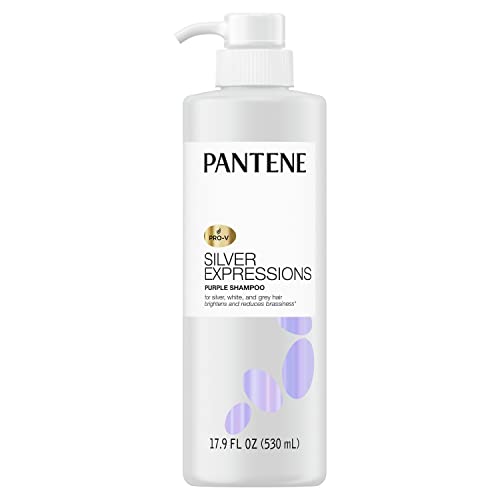
- Purple Shampoo for Blonde/Gray White Hair Toning
- Blue Violet Color-Depositing Conditioner for Yellowed White Hair
- Silver/Gray Hair Toning Mask for Yellow Neutralization
- Chelating Shampoo for Mineral Buildup Causing Yellow in White Hair
- Color-Depositing Toner for Gray Hair to Eliminate Yellow Tones


Before You Start
Before beginning, assess hair porosity and current color level. Perform a strand test to confirm timing and results. Protect the scalp and skin around the hairline with a thin barrier of petroleum jelly or a non-irritating barrier cream. If the hair has been recently colored or bleached, adjust the processing times to shorter intervals to avoid over-toning. Allow at least 48 hours between chemical treatments to minimize damage. Time estimates for the full routine range from 20 to 60 minutes per session, depending on product types and desired intensity.
Step-By-Step: How To Neutralize Yellow Tones In White Hair
- Start with a gentle cleanse using a chelating shampoo to remove mineral buildup from water and products. Massage into the scalp, rinse thoroughly, and repeat once if buildup seems evident.
- Apply a purple shampoo for blonde/gray white hair toning according to label directions. Leave on for the recommended time to deposit violet tones that counteract yellow. Rinse completely.
- Follow with a blue violet color-depositing conditioner to intensify cool tones without over-darkening. Distribute evenly and leave on for the specified duration, then rinse.
- Mask treatment step: use a silver/gray hair toning mask to boost neutralization of yellow while adding moisture. Leave on as directed to maximize pigment deposition and hydration.
- Condition and seal: use a regular conditioner or a lightweight leave-in conditioner to restore softness. This helps protect the cuticle after toning and reduces brittleness.
- Schedule maintenance: rotate between a toning conditioner and a color-depositing toner for gray hair to prevent gradual reversion to yellow. Avoid frequent, high-strength applications to minimize strand stress.
- Spot-check the crown and nape: these areas often show yellowest tones due to sun exposure and mineral contact. Reapply targeted toning products only where needed to balance color.
- Adjust frequency: if yellow returns quickly, consider longer intervals between chemical services or using a chelating shampoo less often to avoid stripping natural oils.
- Protect between washes: use cool water rinses and limit heat styling; heat can intensify brassiness in some hair types.
- For maintenance, alternate between the purple shampoo and blue- violet conditioner on a weekly cycle, and reserve masks for once or twice a week as needed.
- Observe result consistency: some built-in undertones may require extending the toning time slightly or tailoring application to longer, stylized cuts with higher porosity.
- Finish with protection: spray a heat protectant before styling and consider a hydration-rich leave-in product to prevent moisture loss during toning cycles.
Troubleshooting
| Symptom | Likely Cause | Fix | Prevention |
|---|---|---|---|
| Hair looks muddy after toning | Over-toning or overlapping pigments | Rinse, then re-tone with the appropriate lighter shade or dilute product | Test strand first; follow recommended times |
| Yellow returns quickly | Mineral buildup or high porosity | Incorporate chelating shampoo more regularly and deepen moisture repair | Use chelating product sparingly; balance with conditioners |
| Dry, brittle feeling after toning | Over-processing or sensitivity to pigments | Limit processing time and add intensive conditioning | Space out treatments; use bond-building products if available |
| Stains on towels or skin | Undertoned residue on hair surface | Rinse thoroughly; use a gentle cleanser on skin or towels | Ask for color-safe removal techniques during service |
Common Mistakes To Avoid
- Applying toning products too frequently, which can lead to uneven color or temporary shadows.
- Relying on a single product for long periods; persistent yellow may need a combination approach.
- Using heat styling immediately after toning, which may accelerate fading or tonal shifts.
- Neglecting scalp health; harsh products can irritate sensitive skin around the hairline.
Tips For Best Results
- Rotate between color-depositing toner options to maintain even neutralization and prevent buildup hotspots.
- Test on a small strand to calibrate timing for your hair’s porosity and texture.
- Keep product types aligned with hair goals: use chelating shampoos for mineral-based yellowing, and color-depositing products for tonal balancing.
- Schedule routine maintenance every 2–4 weeks depending on exposure to sun and minerals.
- Consider swapping to a sulfate-free shampoo for daily use to preserve tone longer.
Call A Professional
Seek a professional if yellow tones persist after multiple weekly treatments, or if the hair shows signs of significant damage such as excessive breakage, severe tangling, or unusual textural changes. Stop any chemical treatments if there is persistent itching, burning, or redness on the scalp, and consult a licensed stylist or dermatologist promptly.
FAQ
What is the best product to neutralize yellow on white hair?
Many users find a combination approach effective: a chelating shampoo to remove buildup, followed by purple shampoo for toning and a blue violet or gray-toning conditioner to sustain cool tones.
How often should I tone yellow out of white hair?
General guidance suggests every 1–3 weeks for toning, with lighter maintenance in between using color-depositing conditioners or masks.
Can mineral buildup cause more yellowing over time?
Yes. Chelating shampoos are designed to remove mineral deposits that contribute to yellowing, especially if you have hard water.
Is it safe to mix several toning products at once?
It is not recommended to mix multiple toning products in a single session; instead, use a stepwise approach as outlined to avoid over-toning.
Buying Guide
When shopping for products to combat yellow in white hair, consider size, formulation, and how they interact with your hair’s porosity and routine. Here are key buying factors to compare:
- Color-depositing vs cleansing balance: Color-depositing toners help neutralize yellow, while chelating or clarifying shampoos remove mineral buildup that causes brassiness. A combination approach often yields the best results.
- Shade depth and tone: Purple and blue toners vary in depth; ideal options depend on how warm or cool your base tone is. Choose shade intensity that matches the level of yellowing.
- Hair type compatibility: Fine hair may respond differently to stronger toners; select lighter formulas or shorter processing times to prevent weighing hair down.
- Hydration and conditioning: Look for masks and conditioners that deliver moisture, as toning can stress hair. Bond-building or reconstructor ingredients improve resilience.
- Ease of use: Some products are rinse-out, others require longer processing. For beginners, rinse-out options with clear timing are more forgiving.
- Maintenance plan: Choose products that complement each other (e.g., chelating shampoo used in the first wash, followed by toning conditioners in subsequent sessions).
- Scalp safety: If the scalp is sensitive, select gentle formulas and perform a strand test before full application.
Planning your routine around a balanced approach—combining mineral removal with pigment-neutralizing toning—helps maintain bright, cool-toned white hair. If in doubt, a professional consultation can tailor the regimen to your hair’s unique needs and lifestyle.