Dog urine can leave lingering odors and stubborn stains on carpets and upholstery. A careful, methodical cleanup helps restore freshness and reduces the chance of repeat accidents. This guide covers practical steps, safe products, and smart tools commonly used in American homes.
The following sections outline a proven approach to removing urine and neutralizing odors, along with safety tips and troubleshooting so you can tackle similar messes confidently.
Quick Answer
Act quickly to blot up as much urine as possible, apply an enzymatic cleaner designed for pet urine, and follow with a thorough rinse and dry. For embedded odors, repeat the enzymatic treatment and consider a carpet cleaner machine for deep extraction.
What You’ll Need
- Enzymatic pet urine cleaner for carpet and upholstery
- Carpet cleaner machine for pet urine stains and odor
- Pet stain and odor remover spray enzymatic dog urine
- Portable handheld carpet cleaner for dog urine
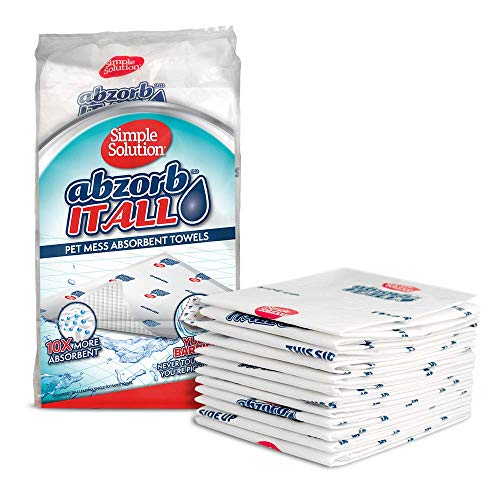
- Microfiber cleaning towels for dog urine stains


Before You Start
Clear the area of furniture and protect floors with a mat or towel. Test any cleaner on a small, inconspicuous area to ensure colorfastness. If the urine has penetrated padding, you may need additional extraction methods. Time estimate: 30–60 minutes for surface cleanup; 1–3 hours for thorough deodorization if soil is heavy. Avoid using ammonia-based cleaners, which can invite more marking behavior, and never mix cleaning products with bleach.
Step-By-Step: How To Clean Dog Pee From Carpets And Upholstery
- Blot up fresh urine with clean microfiber towels, pressing firmly to lift as much liquid as possible.
- Apply a gentle water rinse to dilute remaining liquid, then blot again to remove excess moisture.
- Spray a enzymatic pet urine cleaner on the affected area, following the product’s direction for coverage and dwell time.
- Gently agitate with a soft brush or cloth to help the enzyme reach fibers, especially in carpet pile or upholstery seams.
- Allow the cleaner to dwell long enough for enzymes to break down uric acid and odors, then blot to remove excess moisture.
- If using a carpet cleaner machine for pet urine stains and odor, follow the machine’s instructions to extract moisture and cleaner from the fibers.
- Repeat the enzymatic treatment if a strong odor persists, then let the area air-dry completely before returning furniture to place.
- Once dry, run a light pass with a clean microfiber towel to remove any residual moisture; consider a light fragrance-free deodorizer if desired.
- Inspect under different lighting for any remaining stains and odors; treat as needed.
- Prevent recurrence by training, using waterproof mats, and normalizing cleaning routines for high-traffic rooms.
- For deep-seated odors, consider a portable handheld carpet cleaner for dog urine to extend reach to dense fibers.
Troubleshooting
| Symptom | Likely Cause | Fix | Prevention |
|---|---|---|---|
| Yellow or brown stains persist after cleaning | Residual urine crystals | Repeat enzymatic treatment and extract thoroughly | Address promptly; use enzymatic cleaners on fresh accidents |
| Strong ammonia-like odor remains | Odor masking by cleaners or incomplete removal | Clean with enzymatic urine remover, rinse, and dry | Avoid ammonia-based products |
| Fibers still damp after cleaning | Insufficient extraction | Use carpet cleaner machine or extra towels to remove moisture | Ventilate area and speed up drying |
| Stains reappear after drying | Urine penetrated padding or subfloor | Consult professional restorative cleaning | Treat base area early; consider protective underlays |
Common Mistakes
- Using standard household cleaners with ammonia or bleach that can damage fibers or worsen odors.
- Rubbing stains aggressively, which embeds urine deeper into fibers.
- Skipping the dwell time on enzymatic cleaners, reducing effectiveness.
- Not drying thoroughly, which invites microbial growth and persistent odor.
Tips For Best Results
- Water-only rinses can help remove residue before enzymatic treatment; avoid over-wetting delicate fabrics.
- Test cleaners on hidden areas to prevent color bleed on carpets and upholstery.
- Use a dedicated carpet cleaner machine for pet urine stains and odor when available for deeper extraction.
- Place a drying aid, like a fan or dehumidifier, to shorten drying times and reduce mold risk.
- Keep a small kit with microfiber towels and enzymatic cleaners for quick response after accidents.
Call A Professional
Contact a professional if the urine odor remains strong after multiple cleaning attempts, if the stain penetrates padding or subfloor, or if persistent discoloration occurs. Seek immediate help for large areas or water damage scenarios that involve base materials or wood floors. Signs to stop attempting yourself include ongoing dampness, a musty smell, or staining that reappears after cleaning.
FAQ
Can enzymatic cleaners be used on all fabrics?
Enzymatic cleaners are effective on most fabrics and upholstery, but always test a small hidden area first and follow product directions.
How long does it take for urine to dry after cleaning?
Drying times vary by fabric and ventilation; expect several hours in a typical room with airflow.
Is it necessary to remove the cleaning solution after treatment?
Yes, rinse or blot excess cleaner and allow the area to dry to prevent residue buildup.
What should I do about recurring accidents in the same spot?
Address training, access, and environment; use deterrents or protective mats and re-clean the area as needed.
Are microfiber towels reusable?
Yes, wash microfiber towels separately in a mild detergent and air dry between uses.
Buying Guide
Choosing the right products for pet urine cleanup depends on several factors. Consider the size of the area being cleaned, odor intensity, and fiber type. Look for enzymatic formulas designed for carpet and upholstery to target uric acid and bacteria effectively. For larger spills or frequent accidents, a carpet cleaner machine for pet urine stains and odor can offer deeper extraction. Portable handheld carpet cleaners are handy for stairs or furniture, while microfiber cleaning towels help remove moisture without abrasion. Noise level, ease of use, and energy efficiency matter for frequent cleaning sessions, especially in homes with multiple pets.
Key Buying Factors
- Size and coverage: Choose based on room size and spill frequency; smaller kits work well for quick responses, while machines cover larger areas.
- Odor control: Look for products with proven enzymatic action that neutralizes uric acid and bacteria.
- Energy efficiency and ease of use: Favor user-friendly designs with straightforward refillable bottles and simple cleaning modes.
- Controls and indicators: Clear dwell-time guidance and cycle indicators help ensure proper application.
- Placement and storage: Consider a nested setup of cleaners near common spill zones and in a closet for quick access.