Dog owners often battle on-surface fur, especially on furniture, car interiors, and bedding. This guide provides practical, step-by-step methods using common tools to minimize pet hair buildup and maintain a cleaner living space. The strategies combine quick fixes with longer-term habits to reduce shedding impact.
Quick Answer
Best quick methods: use a silicone pet hair remover glove for furniture, a rubber pet hair remover broom for upholstery, and a cordless handheld pet hair vacuum for fast cleanups. For thorough grooming, a stainless steel deshedding rake helps reduce loose fur before it migrates to surfaces. Consider an automatic lint roller with refill for routine touch-ups.
What You’ll Need
The following tools are recommended to tackle dog hair across surfaces:
- Silicone pet hair remover glove for furniture
- Cordless handheld pet hair vacuum for car and home
- Stainless steel deshedding rake for dogs
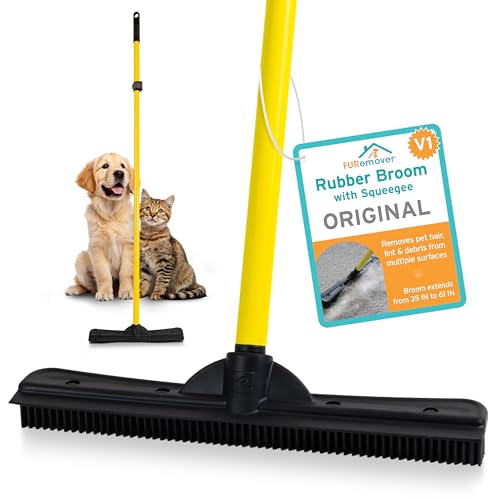
- Rubber pet hair remover broom for upholstery
- Automatic lint roller dog hair remover with refill


Before You Start
Prepare the area by removing small objects and securing a clear edge to work from. Test each tool on a hidden section of fabric or upholstery to avoid surface damage. Plan a routine time window for grooming and cleaning, typically 15–30 minutes per session. Beware of delicate fabrics and electronics when choosing cleaning tools. Use gentle strokes on surfaces to avoid fuzzing or tearing.
Step-By-Step: How To Get Rid Of Dog Hair
- Groom first: run a stainless steel deshedding rake for dogs through dry fur along the grain of the coat to remove loose hairs before they shed onto furniture.
- Pre-clean surfaces: lightly vacuum upholstery and car seats with a cordless handheld pet hair vacuum for car and home to lift embedded fur.
- Brush with a glove: wear the silicone pet hair remover glove for furniture and drag across fabrics to pick up hair in smooth, even motions.
- Roll and blot: use the automatic lint roller dog hair remover with refill for quick passes on pillows, blankets, and car seats.
- Target hard-to-reach areas: sweep corners, under cushions, and around headrests using the rubber pet hair remover broom for upholstery.
- Deep clean recurring hotspots: periodically run the handheld vacuum in crevices, seams, and folds where fur accumulates.
- Groom regularly: schedule weekly brushing to reduce shedding at the source and keep fur from migrating to surfaces.
- Maintain fabrics: launder bedding and removable cushion covers regularly to minimize residual hair.
Troubleshooting
| Symptom | Likely Cause | Fix | Prevention |
|---|---|---|---|
| Hair remains in fabric after brushing | Coarse lint or static cling | Switch to a gloved silicone tool and use damp hands for static control | Brush fabrics before vacuuming |
| Tool stops picking up hair | Hair buildup on tool | Wipe tool clean or rinse contraption if washable | Clean tools after each use |
| Hair spreads when vacuuming | Surface fibers loosened by debris | Vacuum slowly with multiple passes | Pre-brush with glove or broom first |
| Clogging in vacuum | Dense fur intake | Empty canister frequently; use a filter brush | Vacuum in segments and clean filters routinely |
Common Mistakes
- Using harsh tools on delicate fabrics, causing pilling
- Rushing passes and leaving embedded hair behind
- Neglecting regular grooming, which increases surface fur
- Relying on a single tool for all surfaces
Adopting a multi-tool approach reduces shedding transfer and keeps living spaces cleaner over time.
Tips For Best Results
- Combine grooming with cleaning: brush your dog weekly and vacuum high-traffic areas daily.
- Keep a designated hair-cleaning station with the tools listed so quick touch-ups are easy.
- Use microfiber fabrics for furniture; they attract fur more than other textiles.
- Store tools in a reachable area: quick access speeds up cleanup after playtime.
- Consider seasonal shedding patterns and adjust routines accordingly.
Call A Professional
Consult a professional groomer or veterinarian if your dog exhibits excessive shedding, skin irritation, or hair loss beyond seasonal norms. Seek guidance if cleaning routines fail to keep surfaces fur-free, or if allergies worsen despite regular cleaning.
FAQ
What is the most effective tool for dog hair on furniture?
A combination of a silicone pet hair remover glove and a rubber pet hair remover broom typically yields quick, thorough results on upholstered surfaces.
Can I use these tools on car interiors?
Yes. A cordless handheld pet hair vacuum and a silicone glove are effective for dashboards, seats, and mats.
How often should I groom my dog to reduce shedding?
Weekly brushing helps minimize loose fur and keeps home surfaces cleaner between cleanups.
Is frequent washing of fabrics necessary?
Regular washing of removable covers and bedding significantly reduces hair buildup and improves cleanliness.
Buying Guide
Choosing the right tools depends on surfaces, dog hair type, and lifestyle. Consider these factors to optimize results:
- Size and weight: lighter tools are easier to maneuver on furniture and in cars.
- Noise level: quieter vacuums reduce stress for pets while cleaning.
- Energy efficiency: battery life matters for cordless devices; look for longer run time per charge.
- Controls: simple on/off and minimal attachments streamline usage.
- Placement: store near grooming areas or in living spaces where hair accumulates.
For a balanced setup, combine a grooming rake, a silicone glove, a rubber broom, a handheld vacuum, and a refill-enabled lint roller. This multi-tool approach accommodates different fabrics and surfaces, from furniture to car interiors. If dogs shed heavily or have sensitive skin, consult a vet or groomer for tailored grooming plans.