Natural cleaning methods preserve the character of antique and vintage wood pieces while avoiding harsh chemicals. This guide outlines practical, safe steps to refresh wood furniture using commonly available natural products and simple tools. Readers will learn how to remove grime, restore moisture, and protect finishes without risking damage to delicate surfaces.
Quick Answer
For most old wood furniture, start with a gentle natural cleaner, then condition with a light oil, and finish with a wax polish. Test any product in an inconspicuous spot first. Use a soft microfiber cloth to apply cleaners and buffs to a soft shine.
What You’ll Need
- Orange oil wood cleaner for antique furniture 12 oz
- Walnut oil wood conditioner for old furniture 8 oz
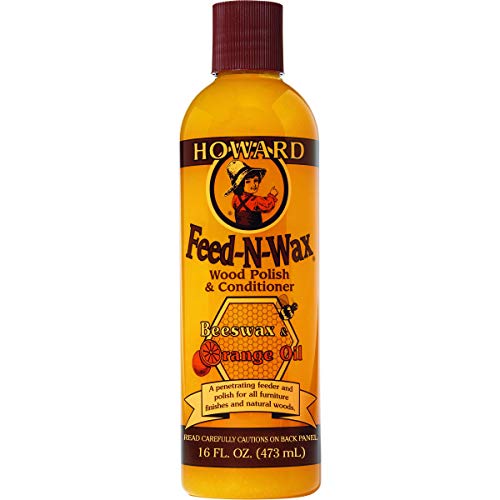
- Beeswax wood polish for antique furniture 4 oz
- Microfiber cloth for wood furniture cleaning and polishing 12×12 inches
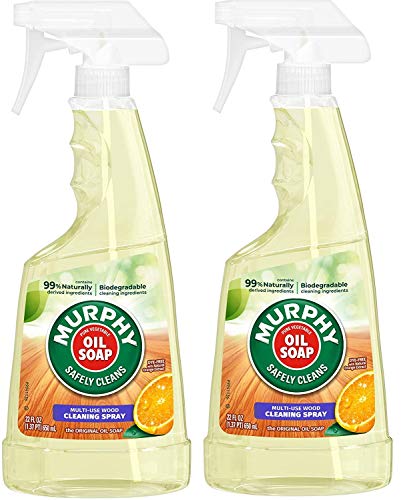
- Natural oil wood cleaner spray for old furniture 16 oz

Before You Start
Assess the finish and construction of the piece. For waxed or shellacked surfaces, avoid excess liquid and use minimal moisture. Work in a well-ventilated area and wear soft gloves to prevent damage to delicate veneers. Time estimates vary by size, typically 60–180 minutes for a thorough cleaning and conditioning session. Critical cautions: mechanical cleaning or abrasive pads can abrade old finishes; always test in an inconspicuous area first.
Step-By-Step: How To Clean Old Wood Furniture Naturally
- Dust the surface with a dry microfiber cloth to remove loose debris and prevent scratching during cleaning.
- Mix a gentle solution with natural oil wood cleaner spray for old furniture on a small, hidden area or follow product directions for dilution.
- Lightly mist the cloth with the cleaner and wipe along the grain. Avoid saturating the wood, especially on veneers.
- Wipe away any residue with a dry section of the microfiber cloth to prevent streaks and moisture buildup.
- Apply walnut oil wood conditioner for old furniture to a fresh cloth and rub in a circular motion, focusing on dry or dull areas.
- Allow the oil to penetrate for a few minutes, then buff with a clean cloth until the surface appears revived and even.
- For extra protection, apply a thin layer of beeswax wood polish for antique furniture. Work in small circles and let it set briefly.
- Buff again with a dry microfiber cloth until a soft sheen returns and fingerprints are minimized.
- If the piece has stubborn grime on carved details, use a soft toothbrush or cotton swab dipped in the cleaner on a test area first, then gently clean.
- Reassess the finish after 24 hours. If the surface looks dull or dry, repeat the oil conditioning step, but avoid over-waxing.
- Maintain the shine with periodic dusting and light conditioning as needed, following the same natural product sequence.
- Store cleaners securely and label any mixtures to prevent accidental misuse on decorative finishes.
Troubleshooting
| Symptom | Likely Cause | Fix | Prevention |
|---|---|---|---|
| Dull or streaky finish | Over-wetting or incompatible cleaner | Use less liquid and switch to a compatible natural oil (walnut oil) or beeswax polish | Test in a hidden area; wipe dry between steps |
| Sticky residue after cleaning | Residual cleaner or wax buildup | Buff thoroughly with a clean microfiber cloth until smooth | Use minimal product; wipe off after application |
| Scratches appear more noticeable | Dry cleaning or abrasive tools | Switch to soft cloths, avoid rough pads | Regular conditioning to keep moisture balance |
| Finish lifting on veneer edges | Excess moisture seeping into edges | Limit liquid contact; apply oils sparingly | Seal with light wax after conditioning |
Common Mistakes
- Using strong detergents or ammonia-based cleaners on antique finishes
- Over-wetting, which can warp or lift veneer and degrade finishes
- Over-waxing, leading to a heavy, dull buildup
- Skipping a patch test on repaired or delicate areas
Tips For Best Results
- Test any product on a hidden area before full application to avoid surprises on fragile finishes.
- Work with the grain for a uniform look and to reduce cross-grain scratches.
- Regular light cleaning beats heavy, infrequent scrubbing and helps maintain luster.
- Use pure, natural products designed for wood to minimize residue and odor.
- Rotate waxing and oiling cycles based on climate and use; drier environments may require more frequent conditioning.
Call A Professional
Consider contacting a wood restoration professional if the piece shows significant cracking, sun damage, or finish delamination. Stop cleaning and seeking expert advice if the finish begins to lift, bubbles, or you detect a drastic color change that may indicate damage beyond routine care.
FAQ
Can I use regular household oil for wood conditioning?
It is best to use products designed for wood care, such as walnut oil wood conditioner, to ensure proper absorption and finish compatibility.
Is orange oil safe for all woods?
Orange oil is generally safe for many finishes, but always test first on an inconspicuous spot to verify compatibility with the specific finish.
How often should antique furniture be cleaned and conditioned?
Light cleaning can be done every few months, with conditioning every 6–12 months depending on humidity and use.
What should I do if wax buildup is too thick?
Lightly re-wipe with a clean cloth and remove excess wax; if necessary, re-wax thinner layers in the future.
Are there alternatives to beeswax polish?
Yes, you can use a combination of natural oil and a soft buff to achieve a similar sheen, but beeswax provides a durable protective layer.
Is cleaning harmful to vintage patina?
Gentle cleaning with appropriate natural products helps preserve patina; avoid aggressive methods that remove character.
Buying Guide
Choosing the right products for cleaning and maintaining old wood furniture involves evaluating size, ingredients, and performance. Consider the following factors to build a practical care kit.
- <bSize and coverage: Choose products that suit the furniture’s size and your typical cleaning area. 12 oz bottles or larger are convenient for bigger pieces, while smaller bottles work for occasional touch-ups.
- <bNoise level and ease of use: Sprays and soft cloth applications reduce friction and noise during use, making routines simpler and quicker.
- <bEnergy efficiency and material safety: Natural cleaners require less aggressive processing, preserving historic finishes without extensive rubbing or soap buildup.
- <bControls and ease of application: Spray cleaners or oil conditioners with a clean microfiber cloth provide precise control and minimal waste.
- <bPlacement and storage: Store cleaners in a cool, dry place away from direct sunlight to prevent separation or degradation of natural oils and waxes.
When comparing products, look for compatibility with antique finishes and a balanced mix of cleaners, conditioners, and waxes. A simple routine—gentle cleaner, oil conditioning, and optional wax—often delivers reliable results without needing specialized equipment. Do you prefer a light, quick refresh or a deeper conditioning session? Your climate and furniture type will guide the best combination.