Unpleasant odors from a bathroom sink can stem from a variety of causes, including hair buildup, grease, and trapped debris in the P-trap. This guide provides practical, step-by-step methods that address common sources of bathroom sink smells, with safe options for DIY maintenance and when to seek professional help.
Quick Answer
Start by flushing the drain with hot water and using an enzyme cleaner to break down organic buildup. If odors persist, remove and clean the P-trap, then consider a drain snake or plumber’s auger to clear clogs. For persistent odors, a dedicated odor eliminator tablet can help maintain freshness between cleanings.
What You’ll Need
- bathroom sink drain snake 3 ft plumber’s auger
- P-trap removal tool for bathroom sink
- enzyme drain cleaner bathroom sink hair clog 16 oz
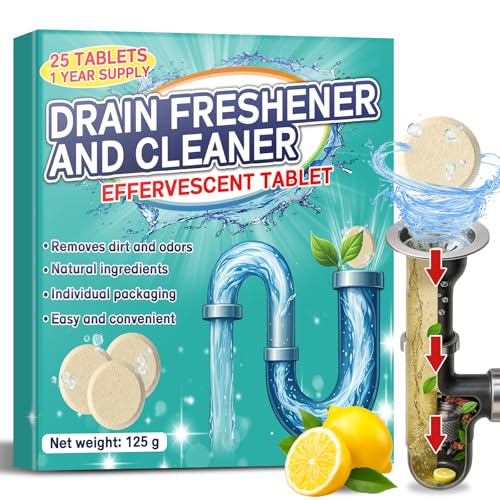
- bathroom sink odor eliminator tablets
- drain cleaning wrench bathroom sink P-trap


Before You Start
Prepare the workspace: place a towel under the cabinet to catch any splashes, and lay out a bucket to hold water and debris. Turn off the water supply to the sink if you plan to remove the P-trap. Ventilate the area if using chemical cleaners. Estimated time: 45–90 minutes for a full P-trap cleaning and basic maintenance.
Step-By-Step: How To Eliminate Bathroom Sink Odors
- Flush the drain with hot water to loosen grease and debris. Do this for 1–2 minutes, then run cold water for another 30 seconds to clear.
- Apply enzyme drain cleaner to tackle organic buildup. Follow the product label for dosage and wait time, typically 15–60 minutes before flushing with water.
- Inspect the P-trap visually under the sink. If you smell sewer odor, the P-trap may be dry or blocked. Prepare for removal if needed.
- Remove the P-trap using a P-trap removal tool or drain cleaning wrench. Place a bucket beneath to catch water. Clean any sludge from the interior with a brush.
- Clean the P-trap thoroughly with warm, soapy water. Rinse completely and reattach, ensuring the slip nuts are snug but not overtightened.
- Clear the drain line with a drain snake if a clog is suspected beyond the trap. Extend the auger into the pipe a few feet and rotate slowly to break up buildup. Retrieve and flush with water.
- Flush again with enzyme cleaner after mechanical cleaning to neutralize residual organic matter and odors. Let it sit per label directions, then rinse.
- Use odor eliminator tablets as a maintenance step. Drop a tablet into the drain as directed to sustain freshness between deep cleans.
- Reassemble the drain system and run hot water for several minutes to confirm a good seal and proper drainage.
- Monitor for odor recurrence over the next few days. If smells persist, consider a professional inspection for venting issues or deeper blockages.
Troubleshooting
| Symptom | Likely Cause | Fix | Prevention |
|---|---|---|---|
| Persistent sewer smell after cleaning | Dry or compromised P-trap, venting issues | Reinstall P-trap, ensure proper venting; call a plumber if needed | Regularly run water to keep trap primed |
| Slow drainage | Clog buildup beyond P-trap | Use drain snake to clear; avoid chemical overload | Periodic enzyme cleaning to prevent buildup |
| Odor returns after using cleaners | Residual organic material in pipes | Repeat enzyme treatment; consider professional camera inspection | Routine maintenance every 3–6 months |
| Leaks after reassembly | Loose fittings or damaged seals | Tighten fittings; replace washers or gaskets as needed | Check fittings during maintenance |
Common Mistakes
- Using overly harsh chemical cleaners that can corrode pipes or seals
- Skipping the P-trap inspection and reassembly, leading to hidden clogs or leaks
- Rushing the drain snake process and causing pipe scratches or jams
- Neglecting to test the drain after maintenance, allowing hidden odors to persist
Tips For Best Results
- Schedule regular maintenance, especially in homes with hard water or high hair output in bathrooms
- Combine mechanical cleaning (snakes and P-trap cleaning) with enzymatic cleaners for best odor control
- Keep a small amount of enzyme cleaner on hand for quarterly maintenance
- Ensure the P-trap is always properly sealed to prevent air and odor ingress
Call A Professional
Consider a professional if any of the following apply: persistent odors despite cleaning, frequent clogs, suspected venting problems, or visible leaks after reassembly. Do not attempt to force a snake through a tight bend or into inaccessible pipes without proper tools and experience.
FAQ
Why does my bathroom sink smell like sewage even after cleaning?
Likely causes include a dry or damaged P-trap, venting issues, or buildup deeper in the plumbing. Recheck the trap, condition of seals, and consider a professional camera inspection if odors persist.
Can enzyme cleaners damage my pipes?
Enzyme cleaners are generally safe when used as directed. They work by digesting organic matter rather than dissolving mineral deposits.
How often should I clean my bathroom sink drain?
Visit every 3–6 months for routine maintenance, or more often in homes with heavy hair buildup or prior odor issues.
Is it necessary to remove the P-trap to fix odors?
Not always, but removing and cleaning the P-trap is a highly effective step when odors persist or clogs form in the trap area.
What if odors return after a few days?
Check for dry trap seals, inspect venting, and consider using an odor eliminator tablet for ongoing maintenance between deep cleanings.
Buying Guide
When selecting tools and products to tackle bathroom sink odors, consider size, effectiveness, and compatibility with standard home plumbing. Ask: How often will you perform maintenance? Do you prefer enzyme-based cleaners, mechanical tools, or a combination?
Key Buying Factors
- Size and reach: A bathroom sink drain snake 3 ft plumber’s auger provides sufficient reach for most sink drains without being cumbersome.
- Ease of use: Look for user-friendly wrenches and quick-connect fittings for the P-trap, such as a P-trap removal tool for bathroom sink.
- Cleaning power: Enzyme cleaners like enzyme drain cleaner bathroom sink hair clog 16 oz digest organic buildup safely.
- <bOdor control maintenance: Odor eliminator tablets can help maintain freshness between deep cleans.
- Preventive accessories: Have a drain cleaning wrench bathroom sink P-trap on hand to facilitate routine maintenance.
Consider your bathroom’s layout and plumbing configuration. If the sink is prone to odors despite routine maintenance, you may benefit from professional venting checks or a camera inspection to identify hidden issues. Is your sink currently showing signs of frequent odor or clogs? A balanced approach using both mechanical and enzymatic tools usually yields the best long-term results.