Keeping hair trimmers clean extends their life, maintains performance, and reduces skin irritation. This guide walks through proven steps to sanitize blades, manage buildup, and maintain the trimmer with simple tools. It references common cleaning products to help users select the right supplies for routine maintenance.
Proper care is especially important for devices used on multiple clients or family members. With a routine, owners can avoid rust, dull blades, and motor strain while preserving close, even cuts.
Quick Answer
Most trimmers can be cleaned quickly by removing the blade, brushing out hair with a dedicated hair trimmer cleaning brush, applying a cleaning spray or alcohol wipe, then lubricating and reassembling. For frequent use, a maintenance kit with oil and spray is ideal.
What You’ll Need
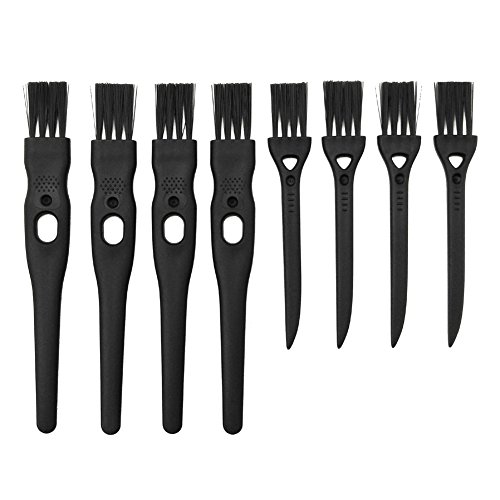
- hair trimmer cleaning brush
- trimmer maintenance kit with cleaning spray and oil
- blade oil lubricant for hair trimmer
- electric trimmer cleaning spray alcohol wipe
- replacement blades and cleaning kit for hair trimmer


Before You Start
Prepare a clean workspace and unplug any cordless trimmers before cleaning. Begin with a cool, dry blade to avoid burns and misalignment. Have a soft cloth on hand to wipe excess oil and spray. Never insert tools into the motor housing and avoid exposing electrical components to water. Estimate 5–15 minutes for a basic clean, longer for troubleshooting or blade replacement.
Step-By-Step: How To Clean Trimmers
- Power off and unplug the trimmer; remove the blade assembly following manufacturer instructions.
- Use the hair trimmer cleaning brush to gently remove hair fragments from the blades and guards.
- Wipe the exterior with an electric trimmer cleaning spray or alcohol wipe to sanitize surfaces.
- Shake and apply a small amount of blade oil lubricant to the pivot points and blade edges as directed.
- Reinstall the blade assembly securely and run the trimmer briefly off to distribute oil evenly.
- If buildup persists, detach the blade and soak or wipe more thoroughly with the cleaning spray, then dry completely.
- Inspect blades for dullness or nicks; replace with replacement blades and cleaning kit if needed.
- Clean the guards or comb attachments; ensure all accessories are dry before reattachment.
- Store the trimmer in a dry, ventilated area to prevent rust and corrosion.
- Schedule routine maintenance: monthly for frequent users, quarterly for occasional use.
- For multifamily use or pets, consider minting a separate maintenance schedule and cleaning spray for hygiene.
Troubleshooting
| Symptom | Likely Cause | Fix | Prevention |
|---|---|---|---|
| Blades feel tuggy or pull hair | Dull blades or uneven edge | Sharpen or replace blades; clean thoroughly | Regular oiling and cleaning after each use |
| Motor hums but doesn’t cut | Hair jam or debris inside housing | Remove blade, clean internals, reassemble | Brush out hair after every cut |
| Missing guards don’t stay on | Loose attachment or warped guard | Replace guard; ensure proper alignment | Inspect guards for wear and replace as needed |
| Rust on blades | Moisture exposure or improper drying | Dry thoroughly; apply blade oil; replace if necessary | Dry blades completely after cleaning; store dry |
Common Mistakes
- Using water or soaking blades when the manual warns against it
- Over-oiling, which can attract dust and clog the mechanism
- Neglecting to clean behind the blade guards, where hair builds up
- Forgetting to dry components completely before reassembly
- Using inappropriate cleaners that corrode blades or plastic parts
Tips For Best Results
- Keep a dedicated cleaning brush and spray in a labeled kit for hygiene and convenience
- Apply a thin film of blade oil after each cleaning to extend blade life
- Use replacement blades and cleaning kit as part of a quarterly maintenance routine
- Store trimmers with guards attached to prevent nicking and to protect blades
Call A Professional
Contact a professional if the trimmer shows persistent electrical issues, unusual noises, or corrosion that you cannot safely resolve. Seek service if blades are bent, if there is visible motor damage, or if cleaning does not restore cutting performance.
FAQ
How often should I clean my trimmer?
Clean after each use to prevent buildup; perform a deeper cleaning weekly for heavy users.
Can I use alcohol to clean the blades?
Yes, alcohol wipes are effective for sanitizing surfaces, but avoid soaking blades in liquid; dry completely before reassembly.
What should I do if the blades become dull?
Replace blades with a compatible set from a cleaning and replacement kit; sharpen only if the manufacturer allows.
Is it okay to use a cleaning spray on the motor housing?
Apply sparingly and avoid direct spray into the motor housing; use wipes on exterior surfaces only.
Buying Guide
When choosing cleaning and maintenance supplies for trimmers, consider size and compatibility with your device, noise level during operation, and how easy the products are to use. Look for kits that include cleaning spray, oil, and replacement blades to cover routine maintenance. Consider a dedicated alcohol wipe option for quick sanitization on-the-go. Assess whether a kit provides a blade guard, spare parts, and clear instructions. Energy-efficient, compact tools are preferable for home use, but ensure the kit works with your specific trimmer model and blade type. A well-rounded maintenance plan should balance convenience, cost, and long-term reliability, keeping grooming devices ready for consistent performance.