Maintaining a clean fabric shower curtain liner helps prevent mildew, odors, and staining while extending its life. This guide provides practical, step by step instructions using common household cleaners and the right tools to restore brightness and freshness to a fabric liner.
The methods here are suitable for most fabric liners that are machine washable or hand washable. Always check the manufacturer label before starting to avoid damage. The aim is to remove soap scum, body oils, and mildew effectively without harsh scrubbing that can wear the fabric.
Quick Answer
For most fabric shower curtain liners, machine wash on a gentle cycle with warm water and a mild detergent, then air dry. If mildew persists, pre soak with enzyme based cleaner or mildew stain remover spray and scrub with a nylon bristle brush, followed by another wash. A dedicated shower curtain liner cleaning kit can simplify the process.
What You’ll Need
- fabric shower curtain liner washing bag 72×72
- nylon bristle scrub brush for shower curtain liner cleaning
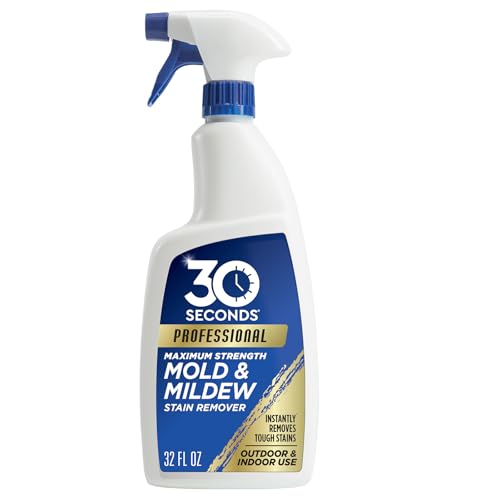
- mildew stain remover spray for fabric shower curtain liner
- enzyme-based bathroom cleaner for fabric shower curtain liner
- shower curtain liner cleaning kit microfiber cloths spray bottle

Before You Start
Ensure the liner is compatible with water exposure and drying in a typical household. Read the care label for machine wash or hand wash instructions. Clear the area to prevent water damage and protect the tub surface. Time estimate ranges from 20 to 60 minutes depending on the method and the level of staining. Important cautions include avoiding chlorine bleach on colored fabrics, testing cleaners on a small inconspicuous area, and never mixing cleaners arbitrarily as some combinations can release harmful fumes.
Step-By-Step: How To Clean A Fabric Shower Curtain Liner
- Remove the liner from the shower rod and wash the bath mats or towels nearby to capture any debris that may fall during cleaning.
- Check the care label to confirm machine wash suitability and recommended water temperature.
- Pre treat stubborn mildew spots with a mildew stain remover spray. Allow to sit for 5 to 10 minutes before brushing lightly with a nylon bristle brush.
- Place the liner inside the fabric shower curtain liner washing bag 72×72 and add a mild detergent. The bag helps prevent tangling and wear during machine washing.
- Run a gentle cycle with warm water. If the liner is heavily soiled, add an enzyme-based bathroom cleaner for fabric shower curtain liner to break down oils and dirt.
- After washing, remove the liner promptly to minimize wrinkling. If the fabric allows, air dry flat or hang it to dry away from direct sunlight to prevent fading.
- For persistent odors, repeat the wash with an extra rinse cycle to ensure full removal of cleaning residues.
- Rehang the liner on the rod and reattach any decorative rings or hooks. Wipe the shower area to remove any residual moisture.
- Consider a brief weekly wipe down with a microfiber cloth and an enzyme cleaner to keep mildew at bay between washes.
- If you prefer a spray solution, fill a spray bottle with a mild bathroom cleaner and mist the liner after each shower, then rinse periodically.
- Store cleaning supplies within reach of the shower for quick maintenance, but keep them away from children and pets.
- Replace the liner if staining or odor returns after multiple cleanings, as fabric wear can reduce effectiveness over time.
Troubleshooting
| Symptom | Likely Cause | Fix | Prevention |
|---|---|---|---|
| Mildew returns after a wash | Insufficient drying or residue | Run an extra rinse cycle and air dry completely | Ensure thorough drying after each use |
| Stubborn stains persist | Deep-set oils or mold | Pre treat with mildew remover spray and rewash with enzyme cleaner | Pre treat spots as soon as noticed |
| Color fading | Harsh cleaners or high heat | Switch to a mild detergent and gentle cycle | Avoid hot water and chlorine bleach on colored fabrics |
| Fabric snagging | Rough scrubbing or abrasive surfaces | Use a soft nylon brush and avoid aggressive scrubbing | Inspect liner for rough spots and replace if needed |
Common Mistakes
- Using bleach on colored fabric liners, which can cause discoloration
- Overloading the washing machine, leading to ineffective cleaning
- Skipping the drying step, which invites mildew regrowth
- Ignoring label instructions, risking shrinkage or damage
Tips For Best Results
- Do a quick weekly wipe down with a microfiber cloth and enzyme cleaner to slow mildew buildup.
- Use the washing bag to minimize tangling and protect the liner during machine washing.
- Schedule a monthly deep clean if the shower sees heavy use or high humidity.
- Rotate between cleaning products to prevent residue buildup and maintain fabric integrity.
Call A Professional
Stop and seek professional help if the liner shows persistent mold growth that does not respond to cleaning, if there is visible structural damage, or if cleaning products cause skin irritation or allergic reactions. Also contact a pro if the fabric liner becomes discolored despite multiple cleanings, or if the liner is very old and prone to tearing.
FAQ
Can I wash a fabric shower curtain liner in the washing machine?
Yes, if the care label allows it. Use a gentle cycle with warm water and a mild detergent, and place the liner in a washing bag to reduce wear.
How do I remove mildew from a fabric liner?
Pre treat mildew with a mildew stain remover spray, scrub with a nylon bristle brush, then wash with an enzyme cleaner for best results.
What is a safe cleaner for fabric shower curtain liners?
Enzyme based bathroom cleaners and mild detergents are generally safe for fabric liners. Avoid chlorine bleach on colored fabrics.
How often should I clean a fabric shower curtain liner?
Perform a light weekly wipe down and a deeper wash every 1 to 2 months, depending on usage and humidity.
Can I dry a fabric liner in a dryer?
Check the care label; many fabric liners can air dry, while some may tolerate a low heat tumble dry.
What should I do if the liner is stained after washing?
Reapply a mildew stain remover spray to the stained areas and rewash, or consider replacing the liner if staining is permanent.
Is a cleaning kit necessary?
A cleaning kit with microfiber cloths, a spray bottle, and a nylon brush can simplify maintenance and improve results.
Buying Guide
Choosing the right fabric shower curtain liner involves considering size, compatibility with your shower setup, and cleaning needs. Look for a liner that fits your shower dimensions, typically measured in inches. Noise level and energy use are less relevant for liners, but ease of cleaning matters. Toward maintenance, select products that align with your care routine such as a dedicated enzyme cleaner and a mildew stain remover spray. Consider a liner that can be machine washed or hand washed, and whether a washing bag is included or recommended for protection. Placement matters for airflow; ensure there is adequate space behind the liner to dry between uses, and keep the bathroom well ventilated to minimize moisture buildup. If noise is a concern with the surrounding shower components, evaluate the overall shower curtain system for smoother operation. For those with sensitive skin or allergies, choose fragrance free cleaners and verify that cleaning agents are compatible with the fabric dye. A kit including microfiber cloths, a spray bottle, and a nylon brush provides a convenient all in one solution for regular upkeep. When comparing options, consider how often you plan to clean, the typical humidity of the bathroom, and whether you prefer a quick wipe down between washes or a full cleaning routine every few weeks.