Vomiting accidents on a microfiber couch are common in homes with children, guests, or pets. Microfiber fabrics are known for their stain resistance, but they still require prompt, proper cleaning to avoid lingering odors or permanent staining. This guide outlines a practical, step-by-step approach to restore microfiber upholstery to its original look and feel using common household tools and targeted cleaners.
Quick Answer
Act quickly: blot the spill, avoid rubbing, and use a mild enzyme cleaner or a specialized microfiber spray. For stubborn spots, a fabric upholstery cleaning kit or a steam cleaner designed for fabric can be effective. Rinse lightly and air dry to prevent water staining.
What You’ll Need
- Upholstery cleaner for microfiber couch enzyme spray
- Steam cleaner for fabric upholstery microfiber
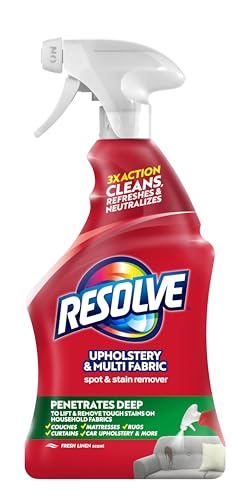
- Microfiber couch stain remover spray
- Upholstery cleaning brush set microfiber fabric
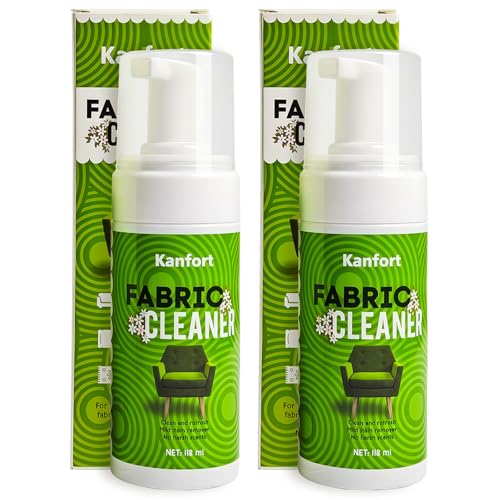
- Fabric upholstery cleaning kit microfiber couch

Before You Start
Prepare the area by removing cushions and protecting nearby furniture with a drop cloth. Use a clean cloth to blot the excess liquid; never rub, which can push stains deeper into the fibers. Work from the outside of the stain inward to prevent spreading. If any cushion cover is removable, consider washing it separately according to the care tag. Safety note: test any cleaner on a hidden area first to ensure colorfastness. Plan for a total clean-time of 20–40 minutes per affected area, plus air-drying time.
Step-By-Step: How To Clean Vomit From A Microfiber Couch
- Put on gloves and open windows or turn on a fan to improve ventilation during cleaning.
- Use a clean, dry cloth to blot up as much liquid as possible without pressing into the fabric.
- Lightly dampen a cloth with water and blot again to dilute the stain—avoid soaking the fabric.
- Apply a small amount of upholstery cleaner for microfiber couch enzyme spray to the stain area, following the product instructions.
- Gently scrub with an upholstery cleaning brush set microfiber fabric in circular motions to lift residue.
- For stubborn spots, use a microfiber couch stain remover spray and reapply as directed, then blot with a fresh cloth.
- Rinse the area by lightly misting with water and blotting to remove cleaner residues, repeating as needed.
- Allow the fabric to air dry completely. If possible, use a fan or iDryBox to speed up drying; avoid direct heat that could warp the fabric.
- Once dry, brush the nap with the microfiber fabric brush to restore texture and pile direction.
- Inspect for any remaining odor or stain. If present, repeat treatment on the affected area only.
- For persistent odors, consider running a fabric-safe enzyme spray lightly across the upholstery and allow it to air out.
- Return cushions and test the fabric under normal use conditions after fully drying.
Troubleshooting
| Symptom | Likely Cause | Fix | Prevention |
|---|---|---|---|
| Stain reappears after drying | Residue or trapped enzymes | Repeat cleaning with minimal moisture; rinse thoroughly | Spot-clean promptly; avoid over-wetting |
| Rings or water stains | Uneven moisture distribution | Apply cleaner or water evenly; blot from outside inward | Use a spray bottle with a fine mist; blot, not scrub |
| Fabric feels stiff after cleaning | Excess cleaner or soap residue | Rinse lightly and blot dry; brush nap | Test cleaner; use minimal amounts |
| Unpleasant odor remains | Protein-based stain lingering | Apply enzyme spray and allow time to work; repeat | Clean promptly; address odor sources early |
Common Mistakes To Avoid
- Rubbing or scrubbing aggressively, which can embed stain and damage nap.
- Using too much water or cleaner, leading to dampness and mold risks.
- Choosing a cleaner not labeled for microfiber or fabric upholstery.
- Neglecting to test cleaners on a hidden area first.
- Failing to dry the fabric completely before reusing the couch.
Tips For Best Results
- Work with the grain of the nap to preserve texture after cleaning.
- Keep a small kit of microfiber-specific products on hand for quick responses.
- For large or multiple spots, a steam cleaner for fabric upholstery microfiber can be especially effective, reducing manual scrubbing.
- Consider a fabric protection spray after cleaning to help future stains bead up and wipe away more easily.
- Document the process for future reference and care tags on cushions.
Call A Professional
Seek professional help if the stain covers a large area, if the odor persists after repeated cleaning, or if the couch has delicate finishes or leather reinforcements. Signs to stop and call a pro include ongoing discoloration after multiple cleanings, water damage, or if the fabric shows fraying or dye bleeding.
FAQ
Can I use a regular household cleaner on microfiber couches?
Stick to cleaners designed for microfiber or fabric upholstery, and always test first on an inconspicuous area.
Is steam cleaning safe for microfiber couches?
Yes, a steam cleaner designed for fabric upholstery microfiber can be effective when used according to the manufacturer’s guidelines.
How long does it take microfiber to dry after cleaning?
Drying times vary by fabric and room conditions, but typically 2–6 hours. Ensure thorough drying to prevent mildew.
Will cleaning affect the nap direction?
Gently brushing after drying helps restore the nap and maintain a uniform look.
Buying Guide
When choosing products to clean vomit from a microfiber couch, consider size, noise level, energy efficiency, and ease of use. A compact upholstery cleaning kit that includes a microfiber brush set and a fabric-specific enzyme spray can be ideal for regular maintenance, while a dedicated steam cleaner for fabric upholstery microfiber offers deeper cleaning for stubborn stains. Look for products labeled safe for microfiber, and ensure compatibility with your couch’s fabric care tag. For households with kids or pets, a kit that includes microfiber couch stain remover spray and a protective spray for future spills is a practical long-term choice. Think about the placement of cleaning equipment too: a portable kit should be easy to reach in living areas without requiring heavy lifting.