Maintaining clean, healthy nails starts with a simple routine you can perform at home. This guide walks through practical steps using common tools to gently remove dirt, debris, and buildup from the nail plate and surrounding skin. with a steady method, you can improve nail hygiene and reduce the risk of infections.
Quick Answer
Short version: soak nails in warm water, push back cuticles, clean under the nails with a brush, and trim or file as needed. Use a dedicated set of tools to avoid cross-contamination and sanitize after each use.
What You’ll Need
To clean nails effectively, assemble a basic toolkit drawn from common manicure supplies. The following items are recommended, and each helps tackle different parts of the cleaning process:
- Stainless steel nail cleaning brush with scraper
- Cuticle pusher and nail cleaner tool set
- Manicure kit stainless steel nail clippers cuticle nippers
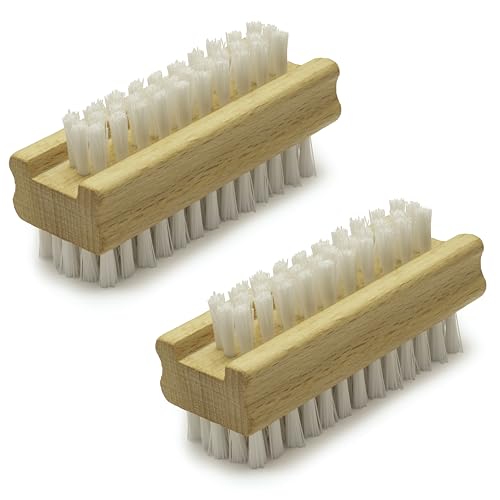
- Nail brush with stiff bristles for cleaning under nails
- Orange wood manicure sticks cuticle cleaner pack


Before You Start
Before beginning, prepare a clean, well-lit workspace. Remove any nail polish if present and ensure your tools are sanitized to prevent bacterial transfer. Soak hands in warm water for 5–10 minutes to soften cuticles and loosen debris. Have a towel handy to dry thoroughly after cleaning. Important: avoid using metal tools on inflamed or cracked skin, and never pry under the nail bed with force. If you notice persistent redness, swelling, or pain, stop and seek guidance from a professional.
Step-By-Step: How To Clean Your Nails
- Sanitize all tools before use. Wipe blades and brushes with a disinfectant and allow to dry completely.
- Soak hands in warm soapy water for 5–10 minutes to soften cuticles, dirt, and oils.
- Gently push back cuticles with the cuticle pusher to expose the nail edges without forcing under the skin.
- Use the nail brush with stiff bristles to scrub the top surfaces, paying attention to the lunula and nail folds.
- Slide the stainless steel nail cleaning brush with scraper along the underside and sides of each nail to dislodge debris.
- For stubborn buildup, use the orange wood manicure sticks at a shallow angle to lift dirt from the sides; avoid digging into the skin.
- Trim or shape nails with manicure kit stainless steel nail clippers as needed, then gently push back remaining cuticles again to refine the clean line.
- Rinse hands and dry thoroughly. Inspect nails for any rough edges or peeling; smooth with a nail file if necessary.
- Apply a light moisturizer to the cuticles to prevent dryness and cracking after cleaning.
- Store tools in a clean case and re-sanitize after use to prepare for the next cleaning session.
Troubleshooting
| Symptom | Likely Cause | Fix | Prevention |
|---|---|---|---|
| Nagging soreness after cleaning | Over-aggressive scraping or pushing | Use gentler pressure; stop if pain occurs | Soften skin before cleaning; avoid digging under the nail bed |
| Persistent debris under nails | Thickened or stained debris buildup | Soak longer, re-scrub with brush, and use sticks carefully | Maintain regular cleaning routine |
| Rough nail edges after cleaning | Rough filing or over-trimming | Smooth edges with a fine nail file | Avoid aggressive filing; clip and shape gradually |
| Dry, cracked cuticles | Excessive scraping or lack of moisturization | Apply cuticle oil or moisturizer; limit aggressive cleaning | Hydrate after cleaning; use protective barriers |
Common Mistakes
- Using metal tools on broken or irritated skin
- Forcing dirt from under the nail instead of letting tools work gently
- Skipping sanitation between uses, risking contamination
- Over-manicuring, which can thin the nail plate and cause splits
These pitfalls can undermine nail health. A careful, patient approach yields cleaner nails without damage.
Tips For Best Results
- Regular cleaning reduces buildup and keeps nails looking neat between manicures.
- Pair cleaning with daily moisturizing to maintain flexible cuticles.
- Choose tools made of stainless steel for durability and easier sanitation.
- Rotate between brushes—stiff bristles for under-nail areas and softer bristles for the top surfaces.
- Sanitize tools after every use and store them in a dry, clean container.
Call A Professional
When to seek professional help: persistent redness, swelling, or pain around the nail bed; signs of infection such as pus; or if you notice deeply ingrown nails that complicate cleaning. If nails are damaged or you frequently experience fungal issues, a licensed nail technician or podiatrist can provide specialized care and treatment options.
FAQ
How often should I clean my nails?
Clean nails as part of your regular grooming routine, at least once or twice a week, or whenever you notice buildup.
Can I use any brush for cleaning under nails?
Use a dedicated nail brush with stiff bristles or a specialized scraper brush to avoid injuring the skin.
Is it safe to push back cuticles?
Yes, but do so gently with a proper cuticle pusher after softening skin. Do not force under the cuticle.
What should I do after cleaning?
Rinse, dry thoroughly, and apply cuticle oil or moisturizer to prevent dryness and cracking.
Are wooden sticks safe for cleaning?
Orange wood sticks are handy for gentle deburring. Use them carefully to avoid injuring the skin.
What if I notice redness or infection signs?
Stop cleaning immediately and consult a professional for evaluation and treatment.
Do tools need sterilization after use?
Yes. Clean and sanitize tools after each use to prevent bacterial transfer.
Can I clean nails without water?
Water helps soften skin; if water isn’t available, a damp wipe can assist, followed by thorough drying and moisturizing.
Buying Guide
When choosing nail-cleaning tools, consider factors such as how large the nails are, noise and ease of use, energy or manual effort, and where the tools will be stored. Key buying factors include:
- Size and ergonomics: Ensure handles are comfortable to grip for extended use and suitable for both hands.
- Material: Stainless steel tools offer durability and easier sanitation compared to plastic alternatives.
- Tools included: A comprehensive kit with nail clippers, cuticle nippers, pushers, brushes, and wooden sticks enables a complete cleaning routine.
- Brush stiffness: Stiff bristles work well for under-nail cleaning; softer bristles are gentler for the top surface.
- Sanitation: Look for tools that are easy to clean and come with a protective case or storage tray to reduce contamination.
- Maintenance: Consider whether the kit allows easy replacement parts (blades, brushes) to extend life.
- Placement: Store tools in a dry, ventilated area to prevent rust and bacteria buildup.
- Value: A balanced kit that includes multiple essentials often provides better long-term value than single tools.
For American households, a well-rounded set that includes a sturdy stainless steel nail cleaning brush with scraper, a cuticle pusher and nail cleaner tool set, and robust clippers is a reliable choice. Consider your routine, space, and cleaning frequency to pick a kit that matches daily needs without sacrificing hygiene.