Metal straws are a durable, eco-friendly everyday alternative to disposable plastic. Proper cleaning ensures they stay hygienic, free of residue, and ready for use. This guide covers straightforward methods, recommended tools, and best practices to keep stainless steel and other metal straws sparkling.
Quick Answer
Use a dedicated brush set designed for metal straws, or a long-handled brush to reach all interior surfaces. Run hot soapy water through the straw, scrub with the brush, rinse thoroughly, and air-dry. For stubborn buildup, use a vinegar or baking soda flush, followed by a final rinse. If dishwasher-safe, place in the top rack after cleaning.
What You’ll Need
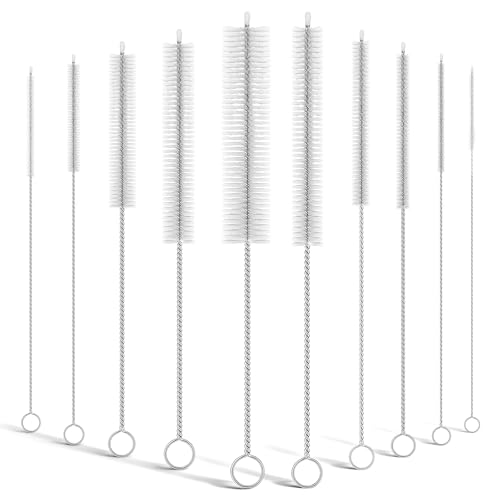
- Stainless steel straw cleaning brush set for interior scrubbing
- Metal straw cleaning brush with handle for extra reach
- Stainless steel drinking straw scrub brush 8 inch to clean both ends
- Dishwasher safe metal straw cleaning kit for convenience
- Reusable straw cleaning brush stainless steel straw cleaner for quick maintenance


Before You Start
Prepare a clean workspace with a sink or basin, and protect surfaces from slipping with a towel or mat. Inspect metal straws for dents or cracks that could harbor bacteria. Confirm whether the straw is dishwasher safe; if unsure, hand washing extends the straw’s life. Gather brushes with flexible bristles to avoid scratching the metal. Always dry thoroughly after washing to prevent water spots or corrosion.
Step-By-Step: How To Clean Metal Straws
- Rinse the straw with warm water immediately after use to rinse away loose particles.
- Fill a small cup with warm, soapy water and submerge the straw ends to loosen residue.
- Insert the stainless steel straw cleaning brush 8 inch or the stainless steel straw cleaning brush set into the straw and scrub in a twisting motion.
- Run the brush along the interior length from both ends to ensure all surfaces are scrubbed.
- Rinse thoroughly under running water, checking for retained debris at the ends and around the mouthpiece.
- For stubborn buildup, create a brief paste with baking soda and water, apply with a brush, and rinse again.
- Flush the straw with hot water to remove any lingering soapy residue.
- Allow the straw to air-dry completely on a clean rack or towel.
- If dishwasher safe, place the kit in the top rack and run a standard cycle, ensuring the brushes are secured.
- Inspect after drying; repeat brushing if any residue remains, especially on hard-to-reach joints.
- Store upright in a drying rack or dedicated cup to minimize moisture buildup and prevent contamination.
- Periodically replace worn brushes to maintain cleaning effectiveness.
Troubleshooting
| Symptom | Likely Cause | Fix | Prevention |
|---|---|---|---|
| Residue inside the straw after cleaning | Brush can’t reach tight curves | Use a longer or more flexible brush; rotate while scrubbing | Pre-wash with warm water after each use |
| Metal straw feels rough or jagged | Worn edges or cracks | Discard damaged straw; replace with a new one | Avoid dropping or bending straws |
| Water spots or discoloration | Inadequate drying or mineral buildup | Dry thoroughly; occasionally soak in vinegar solution and rinse | Dry immediately after washing |
| Brush bristles shedding | Worn cleaning brush | Replace brush; do not reuse damaged tools | Inspect brushes regularly |
Common Mistakes
- Using metal scrubbers that scratch the straw surface
- Forgetting to dry straws completely, encouraging rust or odor
- Using abrasive cleaners that degrade coating or finish
- Forcing brushes through excessively tight bends, causing damage
Choosing the right tools helps avoid these pitfalls. A dishwasher safe metal straw cleaning kit can simplify routine care, but inspect the kit’s components for wear and compatibility with your dishwasher.
Tips For Best Results
- Rinse immediately after use to minimize buildup.
- Alternate between hot water rinses and brush scrubs for thorough cleaning.
- Use a vinegar rinse (diluted) monthly to combat mineral deposits, then rinse well.
- Store straws upright and dry to prevent odor and bacteria growth.
- Label and separate straw cleaning brushes by size to streamline cleaning sessions.
Call A Professional
Most metal straw cleaning does not require professional services. Seek expert help if straws show persistent corrosion, deep pitting, or if the finish is damaged and cleaning no longer removes odor or residue. If a consumer-grade brush cannot reach stubborn buildup and the straw is not dishwasher safe, a professional in kitchenware or a metal fabrication shop may advise replacement options.
FAQ
Can I put metal straws in the dishwasher?
Yes, if the manufacturer notes dishwasher safety. Place them on the top rack away from sharp items.
What should I do about strong odors inside a straw?
Rinse with hot water, scrub with a straw brush, and occasionally flush with a vinegar solution, then rinse thoroughly.
How often should I replace brushes?
Replace when bristles wear down, splay, or loose particles appear during cleaning.
Are metal straws harder to clean than plastic?
Metal straws require a dedicated brush and routine, but proper tools reach all interior surfaces more reliably than typical plastic straw cleaners.
Buying Guide
Choosing the right metal straw cleaning setup involves considering size, compatibility, and maintenance. For most households, a long-handled brush and a dedicated cleaning brush set cover the range of straw lengths and diameters. Look for brushes with firm but flexible bristles that can navigate bends without scratching. If you frequently travel or entertain, a dishwasher safe metal straw cleaning kit adds convenience. Consider kits that include a protective case or stand for dry storage, reducing contamination risk.
Size matters: ensure the brush length matches your straw length, typically around 8 inches for common metal straws. Noise level is minimal for standard cleaning tools, but adjustable handles or non-slip grips improve ergonomics. energy efficiency is not a factor here, but choosing durable, reusable tools reduces waste and long-term cost. For placement, keep brushes in a dedicated drawer or rack near the sink for quick access.
When comparing options, verify compatibility with your straw material (stainless steel is most common) and whether the kit includes multiple brushes to cover varying diameters. If you value maintenance simplicity, prioritize dishwasher-safe items and quick-dry features to streamline routine cleaning. Finally, check product warranties and customer reviews to gauge real-world performance and durability.