Sanuks are casual, comfortable sandals loved by many for daily wear and easy care. This guide walks through proven steps to keep canvas and leather Sanuks looking new, addressing common staining, odor, and material-specific needs. Readers will learn which cleaning tools and products to use, plus safety tips to protect fabrics and soles.
Quick Answer
For quick refresh: use a dedicated Sanuk sandal cleaning kit or a canvas sandal cleaner spray with a soft brush to scrub, then air dry away from direct heat. For odor control, apply an odor eliminator spray after cleaning. For leather Sandals, start with a leather cleaning kit and a soft cloth, and condition if the leather appears dry.
What You’ll Need
- Sanuk sandal cleaning kit
- Sanuk sandal cleaning brush set
- Canvas sandal cleaner spray
- Leather sandal cleaning kit
- Odor eliminator spray for sandals
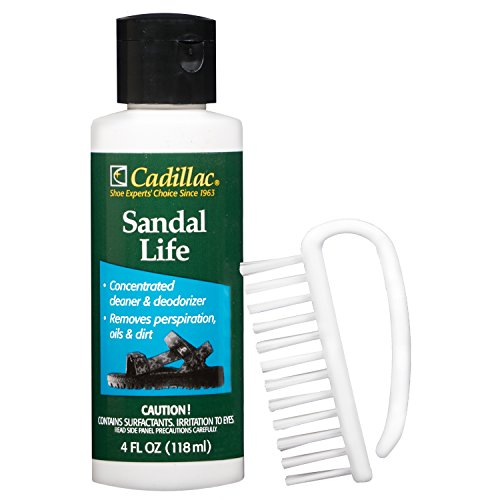


Before You Start
Safety first: use room temperature water and avoid soaking fabrics for an extended period. Work in a well-ventilated area. Remove insoles if possible and let them dry separately. Time estimate: 20–45 minutes for a thorough cleaning, plus several hours to air dry completely. Avoid harsh chemicals and hot water, which can damage materials and fade colors.
Step-By-Step: How To Clean Sanuks
- Identify your material: canvas, fabric, or leather. Different cleaners work best for each type, so choose accordingly.
- Brush loose dirt: use the Sanuk sandal cleaning brush set to remove surface dirt from straps and soles before applying any cleaner.
- Apply cleaner to canvas: spray canvas sandal cleaner spray lightly across the upper, then use a soft brush to work in a gentle circular motion.
- Clean the soles: use a damp cloth or brush to scrub the outsole and midsole, paying attention to grooves where grime collects.
- Rinse carefully: wipe away soap with a damp cloth. Do not submerge canvas sandals for long periods unless the kit instructions allow.
- Dry thoroughly: place sandals in a well-ventilated area away from direct heat. Stuff with paper to help maintain shape if needed.
- Leather care steps: for leather sandals, use a leather sandal cleaning kit per directions, then wipe with a clean damp cloth and let air dry. Condition leather if recommended by the kit.
- Odor control: once dry, spray an odor eliminator spray for sandals inside and out to neutralize lingering smells.
- Spot stains: treat persistent stains with the appropriate stain remover in the kit, testing on a small inconspicuous area first.
- Reassemble and air out: if insoles were removed, reinsert after they are fully dry. Leave sandals in a ventilated area overnight if possible.
- Maintenance routine: repeat cleaning every few weeks with light brushing to prevent buildup and extend sandal life.
Troubleshooting
| Symptom | Likely Cause | Fix | Prevention |
|---|---|---|---|
| Faded colors on canvas | Overexposure to scrubbing or harsh cleaners | Switch to gentler spray and a softer brush | Test cleaner on a hidden area first |
| Stiff leather after cleaning | Insufficient drying or dryness | Condition with leather kit and air dry longer | Avoid over-wetting leather |
| Persistent odor | Embedded odor in fabric or insoles | Use odor eliminator spray more aggressively and allow more drying time | Regular maintenance and deodorizing between cleanings |
| Minor discoloration near seams | Stains absorbed into fabric | Apply stain remover from kit with gentle dabbing | Prompt treatment after spills |
Common Mistakes
- Using hot water or high heat to dry sandals
- Submerging leather sandals in water for long periods
- Neglecting to test cleaners on hidden areas first
- Over-wetting canvas, causing shrinkage or color bleed
Tips For Best Results
- Brush before cleaning to remove surface dirt that can scratch fabrics.
- Use dedicated products designed for canvas or leather to preserve material integrity.
- Air dry away from direct sun to prevent fading and warping.
- Apply odor eliminator after each Cleaning cycle to keep sandals fresh.
- Store sandals in a cool, ventilated area when not in use.
Call A Professional
Consider a professional if sandals have extensive mold, severe discoloration, or leather cracking that cleaning products cannot address. Stop and seek expert help if staining worsens after initial treatment, or if you notice odor returning rapidly after deodorizing.
FAQ
Can I machine wash Sanuks?
Machine washing is generally not recommended for sandals, especially leather or delicate fabrics, as it can damage materials and alter fit.
How often should I clean Sanuks?
Clean canvas Sanuks every few weeks with light brushing and spot clean as needed. Deep clean leather Sanuks when soiled, about every few months depending on use.
Will cleaning kits harm my sandals?
When used as directed, cleaning kits are safe for most Sanuk materials. Always test on a small area first and follow manufacturer guidelines.
Can I use household cleaners on canvas?
Household cleaners with harsh chemicals can discolor or stiffen canvas; use products formulated for canvas or mild cleaners from a sandal cleaning kit.
Are there tips for odor elimination without chemicals?
Allow more air drying time, sun exposure in moderation, and occasional baking soda application inside if tolerated by the material, followed by a thorough brush-off.
Buying Guide
When selecting cleaning products for Sanuks, consider size, material, and maintenance goals. For canvas Sanuks, a dedicated canvas cleaner spray combined with a soft brush typically performs best, while leather Sanuks benefit from a leather cleaning kit and conditioning product. Look for odor eliminator sprays that are safe for fabrics and footwear. Noise level and energy usage are not major factors here, but choose simple, ready-to-use solutions for ease. Placement matters: store in a dry, ventilated area to prevent moisture buildup that can cause odors and mildew.
Key buying factors to compare:
- Material compatibility: canvas vs leather—different cleaners and conditioners are required.
- Cleaning power vs. gentleness: brushes and sprays balance stain removal with fabric safety.
- Odor control: odor eliminator compatibility and how long it lasts.
- Ease of use: kit completeness and instructions clarity.
- Drying requirements: air-dry time and recommended conditions.
Choosing a bundled Sanuk cleaning kit that includes a brush set and a spray cleaner often provides the most seamless experience, ensuring all parts work together for effective cleaning. Always follow the product instructions for best results.