Clean stove grates play a big role in both visual appeal and cooking performance. Whether your grates are cast iron, stainless steel, or coated, the right methods remove burnt-on residue without harming the surface. This guide provides practical steps, safe tools, and simple hacks tailored for American kitchens.
By following a structured routine, homeowners can restore shine, prevent buildup, and extend the life of stove grates. The process balances chemical cleaners, physical scrubbing, and careful drying to avoid rust or steam damage. Below you’ll find a concise plan with recommended products and clear safety notes.
Quick Answer
Best starting point: Scrape loose debris, apply a degreasing spray, scrub with a stainless steel brush or scrubber, then rinse and dry. For stubborn grime, create a baking soda paste and let sit before scrubbing. Always dry thoroughly to prevent rust, especially on cast iron.
What You’ll Need
- Stove grate cleaning brush stainless steel bristles
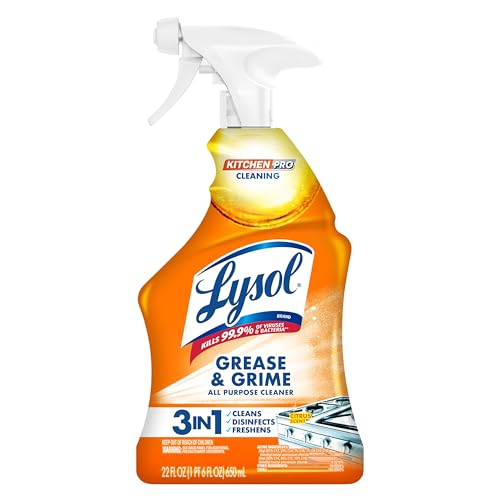
- Stove grate cleaner spray degreaser
- Cast iron stove grate scraper tool
- Stainless steel scrubber for stove grates
- Baking soda paste stove grate cleaning kit


Before You Start
Prepare a spacious workspace with a towel or mat to catch drips. Remove grates from the stove and place them in a sink or basin. Safety first: wear gloves to protect hands from hot surface and cleaners. Allow a cool-down period if the stove was recently used. Time estimate: 20–40 minutes for typical units, longer for heavy buildup. Avoid mixing cleaner with other cleaners unless the label permits it.
Step-By-Step: How To Clean Stove Grates
- Remove the grates and loosen loose debris by tapping or brushing with a dry brush.
- Rinse the grates with warm water to wet the surface and soften grease.
- Spray a stove grate cleaner degreaser generously over all surfaces and let it sit for 3–5 minutes to break down burnt oils.
- Scrub with a stove grate cleaning brush stainless steel bristles or a stainless steel scrubber for stove grates until residue lifts.
- For stubborn stains, apply a baking soda paste and scrub in circular motions. Allow the paste to sit 5–10 minutes before scrubbing again.
- Rinse thoroughly with warm water to remove all cleaner and residue.
- Dry the grates completely with a towel, then air-dry in a warm area or in the sun if possible to prevent rust.
- Reassemble the grates on the stovetop and wipe away any water around the burners to avoid slick surfaces during cooking.
- Inspect for shine and uniform finish. If rust spots appear on cast iron, apply a light coat of seasoning oil after thorough drying and reheat to set.
- Store remaining cleaners and brushes in a dry cabinet, ready for the next cleaning cycle.
- Schedule a routine cleaning every 1–2 weeks or more often during heavy cooking seasons.
Troubleshooting
| Symptom | Likely Cause | Fix | Prevention |
|---|---|---|---|
| Stubborn burnt-on spots persist after scrubbing | Grease baked into pores | Reapply degreaser; use baking soda paste and a light scrubbing | Clean after each use to reduce buildup |
| Rust appears on cast iron grates | Moisture exposure | Dry thoroughly; apply coating of seasoning oil and heat lightly | Dry completely after cleaning |
| Scrubber wears quickly | Overly aggressive brushing or abrasive cleaners | Use gentler brush and non-abrasive pads | Choose appropriate tools for material |
| Streaks or dull finish | Residue from cleaner | Rinse thoroughly; wipe with a clean microfiber | Rinse only with warm water and dry promptly |
Common Mistakes
- Using metal scrubbers on delicate finishes and coated grates is avoided, as it can scratch surfaces.
- Letting cleaners sit too long on porous cast iron may cause discoloration or rust; follow label directions.
- Skipping drying steps; moisture invites rust and corrosion over time.
- Neglecting regular cleaning; buildup compounds and makes future cleaning harder.
Tips For Best Results
- Choose a degreaser with citrus or enzymatic components for effective grease breakdown without harsh fumes.
- For a zero-noise clean, rinse grates in warm water inside a sink with a spray hose rather than soaking in a tub that could slip.
- Pre-warm the grates gently after cleaning to promote drying and reduce rust risk on cast iron.
- Consider a dedicated baking soda paste kit for periodic deep cleaning, especially after long cooking seasons.
- Label and store brushes and pads separately to prevent cross-contamination with other cleaning tasks.
Call A Professional
Call a professional if grates show deep corrosion, persistent rust that spreads, or if cleaning fails to remove heavy burnt-on residues after repeated attempts. Seek help if you notice warped components, damaged burner supports, or if the grate pieces no longer align securely. For gas stoves, unusual odors or flame irregularities warrant a technician’s inspection rather than further DIY cleaning.
FAQ
Can I use oven cleaner on stove grates?
Oven cleaners are typically not recommended for stove grates as they can be too harsh and may damage finishes. Use a degreaser or baking soda paste designed for cookware.
Are cast iron stove grates safe to scrub with metal?
Yes, but use a scraper or brush appropriate for cast iron and avoid excessive scrubbing that could remove seasoning.
How often should I clean stove grates?
Light cleaning weekly with deep cleaning every few weeks or after heavy cooking sessions is a practical routine.
Is it okay to soak stove grates?
Soaking is acceptable for stubborn grime, but avoid prolonged exposure to water to prevent rust on cast iron. Dry immediately after soaking.
What’s the best way to dry grates?
Dry with a towel, then air-dry in a warm area. For cast iron, a light oil coat after drying helps prevent rust.
Can I use vinegar to clean stove grates?
White vinegar can help with mineral deposits, but it is not a full substitute for degreasing cleaners for heavy grease.
Should I remove the grates before cooking?
Yes, cleaning is easier when grates are removed from the stove, then replaced after drying.
Buying Guide
When choosing products for stove grate cleaning, consider size and type of grates, the level of buildup, and user preference for cleaners and tools. Size matters for storage and ease of use; larger grids may benefit from a longer scrubber. Noise level matters in open kitchens, as some brushes and scrubbers produce more sound during vigorous scrubbing. Energy efficiency is less about the cleaning tools themselves and more about the stove’s efficiency; a cleaner grate helps maintain even heat distribution.
Evaluate cleaning solution options: degreasers vs. baking soda pastes with natural scents. Controls on spray bottles should allow a fine mist for even coverage. Placement of cleaning supplies should be within easy reach, and a dedicated mat or tray helps contain splashes.
For durability, stainless steel brushes and scrubbers offer long-term usefulness, while cast iron scraper tools provide targeted hardware for stubborn residue. Consider a kit that pairs cleaners with a cast iron-safe scraper for comprehensive maintenance. Finally, look for non-abrasive pads if the grates have delicate finishes.