Sticky residue on wood surfaces can be caused by spills, sticky cleaners, or natural wear over time. Proper cleaning preserves the wood’s finish while removing grime without harsh scrubbing. This guide focuses on safe methods that work with polyurethane finishes and various wood types found in American homes.
The following steps combine practical techniques and product options to address sticky grime on furniture and floors. Readers will learn a quick, step-by-step routine and how to choose the right cleaner for their specific finish.
Quick Answer
Identify the finish—most wood furniture uses polyurethane. Use a gentle cleaner to lift sticky residue, test in an inconspicuous spot, and finish with a protective wipe to restore shine. For tough grime, try enzymatic or oil-based cleaners designed for wood.
What You’ll Need
- Wood furniture cleaner remove sticky residue
- Wood floor cleaner sticky residue polyurethane
- Natural wood cleaner safe for polyurethane sticky
- Oil soap wood cleaner for sticky grime
- Enzyme wood cleaner remove sticky residue
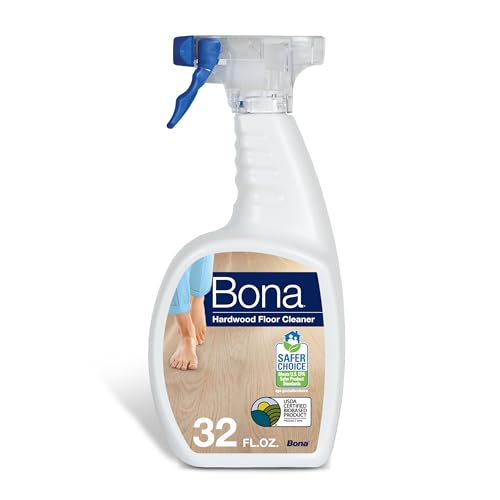
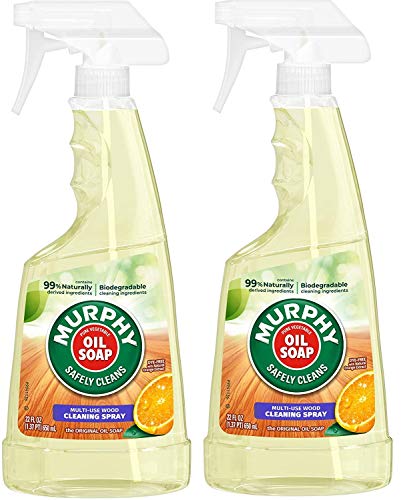

Before You Start
Before beginning, protect surrounding areas with a soft cloth or plastic sheeting. Work in a well-ventilated area and test cleaners on a small, inconspicuous patch of finish to ensure no dulling or discoloration. Avoid excessive moisture on wood to protect the underlying finish. Plan for a 15–45 minute window depending on the size of the surface and the severity of stickiness.
Step-By-Step: How To Clean Sticky Wood Surfaces
- Identify the finish: confirm the surface is polyurethane or a similar clear finish commonly used on wood furniture.
- Dust and dry wipe: remove loose grit with a dry microfiber cloth to prevent scratching during cleaning.
- Spot test: apply a small amount of your chosen cleaner to a hidden area and wait 1–2 minutes to check for adverse effects.
- Gentle cleaning: apply a small amount of wood furniture cleaner remove sticky residue or natural wood cleaner safe for polyurethane on a soft cloth; gently wipe in the direction of the wood grain.
- Address sticky spots: for stubborn stickiness, use an oil soap wood cleaner for sticky grime on a damp cloth and rub gently, then wipe away any residue.
- Rinse and dry: wipe with a clean, damp cloth to remove cleaner, followed by a dry microfiber to remove moisture.
- Enzymatic option: if residue persists, apply enzyme wood cleaner remove sticky residue as directed, then wipe clean and dry.
- Polish and protect: optionally apply a light coat of a polyurethane-safe furniture polish to restore sheen, following product instructions.
- Inspect and repeat if needed: recheck the area; repeat steps for particularly sticky sections, avoiding over-wetting.
- Prevent future stickiness: establish a routine cleaning schedule and wipe up spills promptly to minimize residue buildup.
- Finish with a test shine: ensure the surface reflects light evenly and there are no streaks or dull spots.
Troubleshooting
| Symptom | Likely Cause | Fix | Prevention |
|---|---|---|---|
| Cloudy finish after cleaning | Over-wetting or incompatible cleaner | Dry thoroughly, test products first, use a compatible cleaner | Use minimal moisture and compatible products |
| Residue remains in grain | Residue left behind | Wipe with damp cloth, then dry; re-clean with spot test | Clean with grain-direction motions |
| Streaks or dull spots | Wrong cleaner for final wipe | Switch to a gentle furniture-cleaner or enzyme option | Only use cleaners designed for polyurethane surfaces |
| Finish tacky after cleaning | Incomplete removal of cleaner | Rinse thoroughly and dry completely | Rinse in small sections and dry promptly |
Common Mistakes
- Using harsh solvents or ammonia-based cleaners on polyurethane finishes
- Over-wetting wood during cleaning, which can lift the finish
- Scrubbing aggressively, causing micro-scratches or dulling
- Skipping a test patch, leading to unexpected color changes
Tips For Best Results
- Test every cleaner in an inconspicuous area before full application
- Choose cleaners labeled safe for polyurethane to minimize finish damage
- Work with the grain to reduce friction and scratches
- Use a soft microfiber cloth to avoid abrasion
- For floors, never saturate wood with water; use damp microfiber and promptly dry
Call A Professional
Consider a pro if the finish shows deep scratches, discoloration, or if stickiness persists after multiple cleanings. Stop and seek help if:
- Large areas of polyurethane appear swollen or peeled
- Finished surfaces are absorbing water or becoming sticky again after cleaning
- There is persistent residue that resists standard cleaners
FAQ
Can I clean sticky wood floors with household cleaners?
Yes, but use products labeled for polyurethane finishes and avoid excess moisture that can warp wood.
Is enzymatic cleaner safe for painted wood too?
Enzymatic cleaners are generally safe for many finishes, but test first and follow manufacturer guidelines for painted surfaces.
How often should I clean sticky wood surfaces?
As needed for spills and sticky spots; routine light cleaning can help prevent buildup.
Will oil soap leave a residue?
Oil soaps can leave a slick film if over-applied; use sparingly and wipe off thoroughly.
Buying Guide
When choosing products to treat sticky wood, consider size of the area, finish type, and cleaning approach. For polyurethane surfaces, select products specifically labeled for polyurethane or hardwood finishes and avoid aggressive solvents.
Key factors include:
- Size: Larger areas may benefit from spray cleaners or bulk bottles for efficiency.
- Noise level and energy efficiency are less relevant for cleaning, but consider battery-powered handheld tools if you combine cleaning with light polishing.
- Controls: Easy-to-use spray or wipe applicators reduce oversaturation and waste.
- Placement: Store cleaners away from direct sunlight and heat to preserve effectiveness.
- Finish compatibility: Prioritize products labeled safe for polyurethane finishes.
For best results, compare products by how well they remove sticky residue without dulling, and look for enzyme-based options for stubborn grime. If the wood has a history of moisture sensitivity, a water-minimizing cleaner is a prudent choice. Would you like help choosing a specific cleaner from the list of product keywords for your project?