Maintaining a clean snowboard is essential for consistent performance, better wax adhesion, and longer tool life. This guide outlines a practical, step-by-step approach using common snowboard care tools. Whether you’re prepping after a day on the mountain or refreshing your gear for storage, these steps will help you get the job done efficiently and safely.
Quick Answer
Start with a dry brush to remove loose grit, then use a snowboard base cleaner kit for stubborn grime. Clean with a nylon bristle brush, dry thoroughly, and inspect edges. If needed, apply a P-Tex repair kit and file edges with a dedicated edge sharpener tuning tool. Finish with a light wax and store properly.
What You’ll Need
Having the right set of tools makes cleaning easier and safer. Gather these items before you begin:
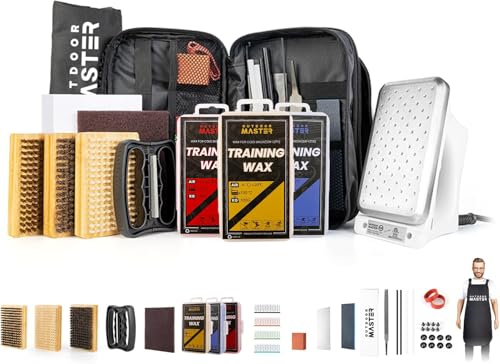
- Snowboard base cleaner kit
- Snowboard wax iron and wax kit
- Snowboard edge sharpener tuning tool
- Snowboard cleaning brush set nylon bristle
- Snowboard P-Tex repair kit scraper


Before You Start
Prepare a clean, well-lit workspace, ideally on a workbench or sturdy table. Protect floors with a mat to catch drips. Ensure the board is dry and free of loose snow or ice. Wear protective gloves to avoid skin irritation from cleaners and hot wax. Plan a time window of 30–60 minutes, depending on the condition of the board.
Step-By-Step: How To Clean A Snowboard
- Place the snowboard on a stable surface with the base facing up. Use a soft padded surface to prevent scratches.
- Use a dry cleaning brush to remove loose dirt, snow, and debris from the base and sides.
- Apply a snowboard base cleaner kit to any remaining grime. Wipe with a clean, lint-free cloth until the base looks uniform.
- Inspect the board for any damaged areas. If you notice melted plastic or gouges, use a Snowboard P-Tex repair kit scraper to fill and smooth minor imperfections.
- Clean and inspect the edges with the snowboard edge sharpener tuning tool. Carefully remove burrs and sharpen as needed, following the tool’s instructions.
- Brush the base with a snowboard cleaning brush set nylon bristle to lift wax residues and ensure the surface is smooth and ready for waxing.
- If desired, heat a small amount of wax with a snowboard wax iron and wax kit to refresh the base, then buff away excess with a clean cloth after cooling.
- Let the board dry completely in a cool, shaded area before storage or use. Store upright or on edge to prevent base deformation.
Troubleshooting
| Symptom | Likely Cause | Fix | Prevention |
|---|---|---|---|
| Base feels sticky after cleaning | Wax residue or solvent left on surface | Re-clean with base cleaner and wipe dry | Use minimal cleaner; ensure complete drying |
| Rust on metal edges | Exposure to moisture | Dry thoroughly; apply light edge protection if needed | Store in a dry area |
| Chips or gouges | Impact damage | Fill with P-Tex and smooth; re-wax | Avoid hard landings and inspect bindings |
| Base not absorbing wax | Over-accumulated wax or dirty base | Deep clean with base cleaner, re-wax | Clean regularly between sessions |
Common Mistakes
- Using harsh solvents that damage the base material
- Waxing a dirty or hot board, which reduces wax absorption
- Over-sharpening edges, leading to premature wear
- Skipping drying time, which promotes corrosion or rust
Keeping a routine maintenance schedule helps prevent these issues and extends the life of the snowboard.
Tips For Best Results
- Clean and wax in a well-ventilated area to avoid fumes from solvents and hot wax.
- Always follow the wax iron’s temperature guidelines to prevent base damage.
- Use a soft cloth to buff the base after cleaning to restore gloss without creating micro-scratches.
- Regularly inspect edges and repair minor nicks promptly using the edge sharpener and P-Tex kit.
Call A Professional
Seek professional help if you notice severe base gouges, major edge damage, warped boards, or persistent rust that cannot be treated at home. If the board has structural issues near the bindings or persistent delamination, contact a snowboarding service center.
FAQ
What is the best way to remove wax residue after cleaning?
Use a clean cloth in combination with a base cleaner to remove residual wax and ensure a smooth surface for waxing.
How often should I clean my snowboard?
Clean the board after heavy use or exposure to snow and grit; a quick wipe-down between runs can prevent grime buildup.
Can I wax the board right after cleaning?
Yes, after the base is fully dry, apply wax following the wax kit instructions for best adhesion.
What should I do if the edges feel dull after cleaning?
Use the edge sharpener tuning tool carefully to restore a clean edge; avoid over-sharpening.
Is P-Tex repair kit suitable for all base damages?
Small chips and cracks can be filled with P-Tex; larger or structural damage may require professional repair.
Should I store my snowboard after cleaning?
Yes, store in a cool, dry place, preferably on its edge or upright to minimize base deformation.
Is it necessary to use all tools mentioned?
Not always; start with base cleaning and basic edge inspection, then add wax, P-Tex, and sharpening as needed.
Buying Guide
When selecting products for snowboard cleaning and maintenance, consider size, compatibility with your board, and user safety. Look for kits and tools that fit your skill level and storage space. A dedicated base cleaner kit and a reliable wax iron kit are foundational, while an edge sharpener tuning tool and P-Tex repair kit provide ongoing maintenance capabilities.
Key factors include how often you plan to maintain the board, noise and odor from cleaners, and whether you prefer all-in-one solutions or modular tools. For beginners, a complete kit that groups cleaning, waxing, and minor repairs in one bundle can simplify learning. Professionals may prioritize durable, precision tools for rapid, repeated work.
Think about storage and placement: keep tools in a dedicated, ventilated drawer or cabinet. If you share space with family gear, consider color-coded storage to avoid cross-contamination of waxes and cleaners. Finally, verify that components align with your board’s type and base material to ensure safe, effective care.