Wrought iron railings add classic curb appeal but require regular cleaning to prevent rust and preserve their finish. This guide provides a practical, step-by-step approach tailored for American homes, using accessible tools and common outdoor cleaners. Whether you’re restoring a damaged railing or performing routine maintenance, the process is straightforward and safe when proper precautions are followed.
Quick Answer
Start by removing loose dirt, then tackle rust with a dedicated rust remover and a wire brush. Clean with a metal prep cleaner, apply a rust-inhibiting primer, and finish with a protective coating. For stubborn rust or flaky paint, repeat steps as needed and allow ample drying time between coats.
What You’ll Need
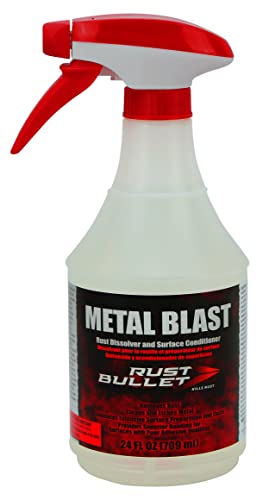
- Rust remover for wrought iron railings
- Wire brush and sanding sponge set for wrought iron railing cleanup
- Stainless steel scrub brush heavy duty wrought iron railing
- Metal prep cleaner for outdoor wrought iron railing
- Rust inhibiting primer for wrought iron railing


Before You Start
Protect surrounding surfaces and plants with drop cloths or plastic sheeting. Use safety gear such as gloves, safety goggles, and a mask when sanding or applying chemicals. Work in a well-ventilated area and on a dry day to ensure proper drying. Plan for several hours of work, plus drying time between coats. Avoid power washing directly on anchored railings, which can loosen joints and cause further corrosion.
Step-By-Step: How To Clean Wrought Iron Railings
- Inspect the railing for loose paint, rust, and corrosion hot spots. Document problem areas for targeted treatment.
- Remove loose dirt and debris with a stiff brush, sweeping from top to bottom to prevent recontamination.
- Apply a rust remover for wrought iron railings to areas with rust. Follow product instructions for dwell time and removal method.
- Use a wire brush and sanding sponge set for wrought iron railing cleanup to loosen flaking paint and rust. Work in small circular motions.
- Wipe surfaces with a damp cloth to remove dust, and let dry completely before proceeding.
- Apply a metal prep cleaner for outdoor wrought iron railing to neutralize any remaining residues and prepare the metal for priming.
- Prime with a rust inhibiting primer for wrought iron railing. Apply even coats and avoid heavy buildup that could crack.
- Allow the primer to dry fully, then sand lightly with a fine grit to create a smooth surface for the final coating.
- Finish with a durable exterior paint or sealant suitable for metal. Apply in thin, even layers, allowing full cure between coats.
Troubleshooting
| Symptom | Likely Cause | Fix | Prevention |
|---|---|---|---|
| Rust reappears after finishing | Inadequate rust removal or primer | Re-clean thoroughly, reapply rust remover and rust-inhibiting primer | Address rust at first sign; maintain annual inspections |
| Paint peels or bubbles | Improper surface prep or moisture trapped under paint | Re-sand, dry thoroughly, re-prime, and recoat with proper outdoor paint | Ensure a dry surface and compatible coatings |
| Uneven finish or brush marks | Thick coats or rushed application | Apply multiple thin coats and lighten as needed | Follow product guidance for dry times |
| Stains or discoloration after cleaning | Residue from cleaner not fully removed | Wipe with clean water and dry before priming | Rinse thoroughly after every cleaning step |
Common Mistakes
- Skipping the rust removal step on visible rust patches
- Using non-metal-safe cleaners that leave residues
- Applying primer or paint in humid or cool conditions
- Overlooking joints and decorative details where rust hides
Tips For Best Results
- Test cleaners on a small area first to ensure no adverse reactions with existing coatings.
- Work from top to bottom to prevent dirty runoff from staining finished sections.
- Label and organize tools for efficient transfer between steps.
- Choose a rust-inhibiting primer formulated for outdoor metal and matched to your paint color.
Call A Professional
Stop and call a pro if you notice structural rust that has compromised the railing’s strength, deep pitting that cannot be filled, or if the railing is attached to fragile masonry. If coatings are peeling extensively or there are signs of corrosion around fasteners, professional assessment is advised.
FAQ
How often should wrought iron railings be cleaned?
For most homes, a thorough cleaning every 1–2 years plus spot maintenance as needed helps prevent rust and preserves appearance.
Can I use household cleaners on wrought iron railings?
Household cleaners are acceptable for routine maintenance, but use metal-safe products for rust and coatings to avoid residue that interferes with priming or painting.
Is sanding necessary before priming?
Sanding creates a smooth, receptive surface for primer and helps rust removal adhere properly, especially on rough patches.
What type of paint is best for outdoor wrought iron?
Use a high-quality exterior enamel or epoxy-based paint designed for metal, with a rust-inhibiting primer.
How long does each coating cure?
Drying times vary by product; follow manufacturer directions. Allow full cure between coats before subjects like rain exposure.
Can I skip the primer if I use a rust-inhibiting paint?
Primer is typically recommended to improve adhesion and long-term protection, especially on previously rusted surfaces.
Buying Guide
Key buying factors help homeowners choose products that deliver durable results for wrought iron railings. Consider size and scope of the project, noise and ease of use if using power tools, energy efficiency of coatings, control over application, and placement specific to outdoor exposure.
Size And Coverage
Measure railing length and pick rust remover, primer, and paint in quantities that cover the total area with a small margin for touch-ups. For large fences, consider purchasing larger cans of primer and paint to ensure color consistency.
Durability And Finish
Choose rust inhibitors and exterior coatings rated for metal and harsh weather. A tougher enamel offers resistance to chipping, while a satin or semi-gloss finish often hides minor imperfections more effectively.
Application And Control
Opt for tools and cleaners that provide predictable results. Hand tools give control for detailed areas, while a controlled applicator or brush set helps maintain even coats on intricate railings.
Environment And Placement
Outdoor railings face sun, rain, and temperature swings. Select products formulated for exterior use and those that resist UV degradation. For shaded or sheltered areas, ensure the finish remains flexible to prevent cracking.
Compatibility And Maintenance
Check compatibility between remover, cleaner, primer, and paint. Maintain a regular cleaning and recoating schedule to extend the railing’s life. Revisit touch-up needs after seasons with heavy weather exposure.