Hammered copper adds texture and warmth to kitchens, bathtubs, and decorative pieces. Regular cleaning preserves its unique finish and prevents dullness. This guide outlines practical steps, tools, and pro tips to restore shine while protecting the hammered surface.
The process uses common household supplies and targeted copper care products to minimize scratches and maintain the distinctive hammered look. Following these steps helps keep copper pieces looking vibrant and new for years.
Quick Answer
Use a soft cloth or microfiber to gently remove dust, then apply a copper-specific polish or a jeweler’s rouge with a non-abrasive pad. For tarnish, use a copper tarnish remover liquid designed for hammered finishes, rinse thoroughly, and buff dry with a microfiber cloth. Avoid abrasive brushes that can scratch the texture.
What You’ll Need
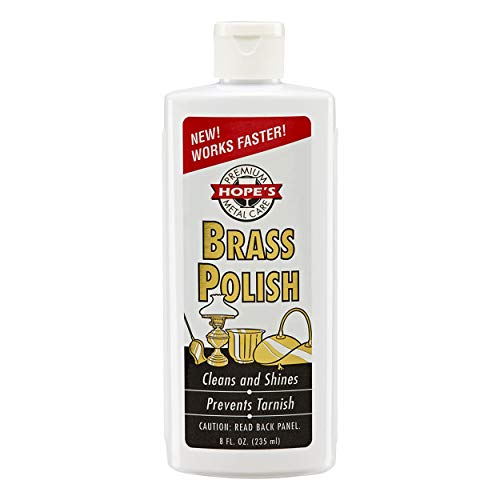
- copper tarnish remover liquid hammered copper
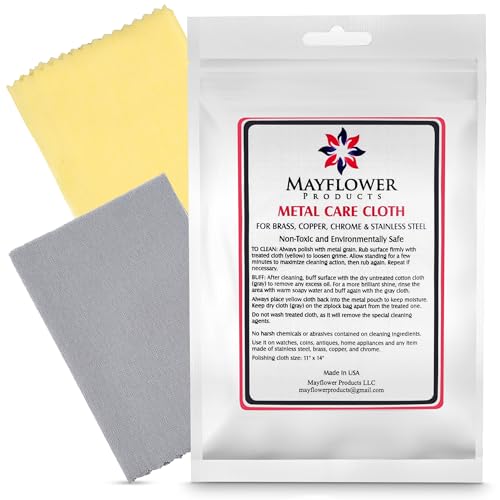
- microfiber polishing cloth for copper
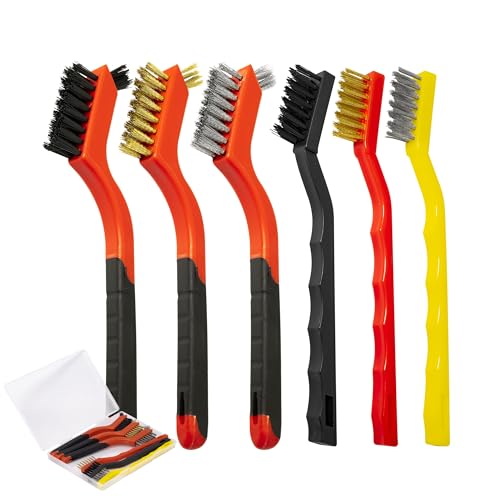
- nylon bristle copper cleaning brush
- jeweler’s rouge copper polishing compound
- metal polish for copper hammered finish
Before You Start
Wear gloves to protect hands and reduce fingerprint smudges. Work in a well-ventilated area away from heat sources. Test any cleaner on a small, inconspicuous area before full application. For antique or valued pieces, consult a professional before strong cleaners.
Critical cautions: avoid acidic cleaners that may etch copper, and do not use abrasive pads on the hammered texture. Dry thoroughly after cleaning to prevent water spots and oxidation.
Estimated time: 20–40 minutes for a typical surface; larger pieces may require more time.
Step-By-Step: How To Clean Hammered Copper
- Prepare the area with a soft towel or mat to catch drips and protect the surface around the copper piece.
- Dust the surface with a dry microfiber cloth to remove loose dirt and dust.
- Apply a small amount of copper tarnish remover liquid hammered copper to a clean microfiber cloth.
- Gently rub in circular motions along the hammered texture, focusing on recessed areas that hold tarnish.
- Rinse the piece with warm water or wipe away cleaner with a damp microfiber cloth to remove residue.
- For stubborn spots, use a nylon bristle copper cleaning brush lightly, following the grain pattern of the hammering.
- Dry the surface completely with a clean, dry microfiber cloth to prevent water spots.
- Apply a thin layer of jeweler’s rouge copper polishing compound on a soft pad or cloth and buff in circular motions until shine returns.
- Finish with a final pass of a clean microfiber cloth to remove any remaining compound residue.
- Inspect for uniform shine; repeat steps on any patchy areas if needed.
- Regular upkeep: wipe with microfiber after use and reapply polish every few months to maintain patina and finish.
Troubleshooting
| Symptom | Likely Cause | Fix | Prevention |
|---|---|---|---|
| Dull or blotchy finish | Uneven cleaning or incomplete rinsing | Redo with light, even strokes; ensure thorough rinsing | Rinse completely after each cleaning step |
| Scratches visible in hammered areas | Overly abrasive tools | Switch to nylon brush and soft cloth | Avoid metal scrubbing pads |
| Reddish or greenish discoloration | Reaction with cleaners or moisture | Wipe with distilled water and dry; re-polish | Keep surfaces dry and use appropriate cleaners |
| Residue after polishing | Leftover compound | Buff with a clean microfiber until clear | Use minimal product and wipe clean promptly |
Common Mistakes
- Using abrasive pads on hammered copper
- Over-applying cleaner, leading to buildup
- Neglecting a proper rinse, leaving residue that dulls the finish
- Polishing in direct sunlight or heat, which can cause uneven drying
Sticking to gentle tools and small test areas helps prevent these issues and preserves the hammered texture.
Tips For Best Results
- Work in sections to ensure even coverage and avoid missed spots.
- Always dry completely before applying polish to prevent water spots.
- Choose a polish that is specifically formulated for copper hammered finishes to maintain texture.
- For large surfaces, consider a microfiber pad attached to a low-speed buffer to balance efficiency and safety.
- Store cleaners away from children and pets; label containers clearly.
Call A Professional
Seek professional help if the piece is an antique, has significant patina, or shows signs of corrosion that cleaning cannot remedy. Do not attempt aggressive restoration on delicate or valuable hammered copper pieces.
FAQ
How often should hammered copper be cleaned?
Cleaning frequency depends on exposure to air and moisture, but a light wipe-down every month and a deeper polish every few months works well for most household items.
Can I use standard metal polish on hammered copper?
Yes, but choose a copper-specific formula to protect the texture and prevent streaks or dulling.
Is it safe to use a brush on the hammered surface?
A nylon bristle copper cleaning brush is acceptable for stubborn grime, but avoid metal brushes that can scratch.
What should I do if tarnish returns quickly?
Reassess cleaning products and frequency; light maintenance plus a quick polish can keep the finish uniform.
Can I substitute household vinegar or lemon juice for cleaner?
These acids can react with copper; use dedicated copper cleaners designed for hammered finishes for best results.
Will homemade solutions damage the hammered texture?
Most homemade mixtures with mild acids can be safe in small amounts, but test first and prefer purpose-made products for consistency.
Buying Guide
When selecting copper care products, consider size, ease of use, and compatibility with hammered finishes. Look for tarnish removers that are safe for metal textures and polishes that leave a satin or natural shine rather than a high-gloss look unless desired. A good kit may include a microfiber cloth, a soft nylon brush, and a polishing compound to cover routine cleaning and occasional restoration. Always check for clear usage instructions and safety information.
Final Considerations
Choosing the right tools for hammered copper helps maintain its tactile texture while preserving luster. With the right cleaner, cloth, and gentle brushing, most pieces can regain a warm, even glow without sacrificing the distinctive hammered pattern. If you encounter persistent issues, a professional restorer can assess patina, corrosion, and structural concerns to guide restoration without compromising the piece.