Laminate floors offer a durable, cost-effective surface that can be damaged by careless removal of paint. When paint lands on laminate, quick, careful action helps prevent staining or dulling the finish. This guide provides practical steps, tool recommendations, and safety tips to remove paint without harming the laminate’s protective layer.
By following a structured approach, homeowners can restore the look of their floors using common tools and gentle solvents. The method emphasizes non-abrasive techniques and minimal moisture to protect seams and the laminate’s coating.
Quick Answer
Fast fix: Start with a plastic scraper and a flexible putty knife to lift dry paint, then use a non-abrasive citrus-based remover or adhesive remover gel for tougher spots. Finish with a damp microfiber mop and a touch-up coat of laminate-safe cleaner.
What You’ll Need
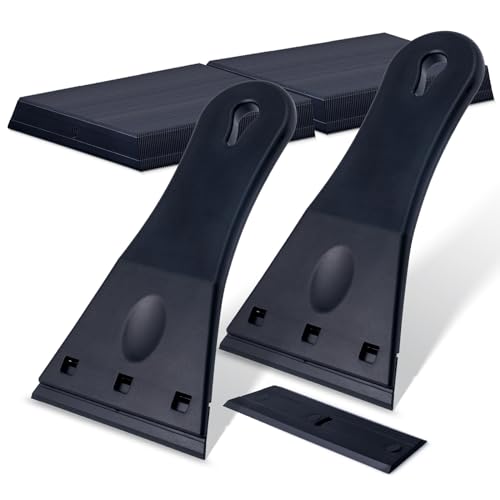
- Plastic scraper for removing paint from laminate flooring
- Flexible putty knife with narrow blade for paint on laminate flooring
- Laminate floor scraper tool with plastic blade
- Non-abrasive citrus-based paint remover for laminate floors
- Adhesive remover gel for stuck paint on laminate flooring


Before You Start
Inspect the area for painted edges or seams that may lift with moisture. Work in a well-ventilated area and test any remover on a hidden corner first to confirm it won’t discolor the laminate. Plan to complete the job in stages if large patches are present to minimize exposure to moisture and solvents. Keep liquids away from baseboards and seams to prevent warping.
Estimated time varies with the paint’s age and thickness, but plan for up to an hour for small spots and longer for larger areas. Always wear protective gloves and avoid metal tools that can scratch the laminate surface.
Step-By-Step: How To Clean Paint Off Laminate Flooring
- Allow dried paint to cure completely, then test a small area with a plastic scraper to see if it lifts without scratching.
- Gently slide the plastic scraper under the edge of the paint and lift in a steady, shallow motion to avoid gouging the laminate.
- For stubborn spots, apply a small amount of adhesive remover gel for stuck paint on laminate flooring and let it sit per product instructions before re-scraping.
- Switch to a flexible putty knife with narrow blade for limitations where the scraper cannot reach, using light pressure to avoid adhesive transfer.
- If needed, dab a bit of non-abrasive citrus-based paint remover for laminate floors on a cloth and gently rub the painted area. Do not pour remover directly onto the floor in large amounts.
- Wipe away residue with a damp microfiber cloth, then dry the area immediately to prevent moisture from seeping into seams.
- For translucent or stubborn traces, repeat the above steps on a small section until the paint is fully removed.
- Inspect for any dull spots. If the finish appears affected, use a laminate-safe floor cleaner to even out the surface.
- Test a hidden corner with the cleaning solution to ensure no discoloration before broad application.
- Finish by mopping with a lightly dampened mop and allowing the floor to air-dry completely before walking on it.
- Store tools in a dry area and wipe down any removable blades before returning them to their protective sheath.
- Document any problem areas for future touch-ups or professional refinishing if the paint returns.
Troubleshooting
| Symptom | Likely Cause | Fix | Prevention |
|---|---|---|---|
| Paint residue remains after cleaning | Paint is baked or cured too deeply | Apply gentle solvent, let sit, and re-scrape; consider professional help for tough spots | Act quickly; use light tools from the start |
| Laminate shows dull spots | Excess moisture or abrasive contact | Dry the area immediately; re-clean with laminate-safe product | Avoid soaking; use minimal moisture |
| Scratches appear after scraping | Metal tools contacted laminate | Switch to plastic blades and non-scratch tools | Choose plastic scrapers first |
| Color transfer from paint to laminate | Strong solvent used too aggressively | Switch to milder removers and test first | Follow product instructions precisely |
Common Mistakes
- Using metal tools that scratch laminate surfaces
- Over-wetting the floor and letting moisture reach seams
- Rushing through steps, which can smear paint across larger areas
- Applying strong solvents without testing first
Taking a careful, methodical approach reduces damage and ensures a consistent finish across the floor.
Tips For Best Results
- Test any cleaner on a hidden area first to prevent discoloration.
- Work in small patches to control the amount of solvent and moisture.
- Use a microfiber cloth for efficient pickup without leaving lint or streaks.
- Choose a non-abrasive remover to protect the laminate’s veneer and texture.
- Store tools in a clean, dry location to maintain blade integrity.
Call A Professional
Consider a professional if paint covers large areas, has penetrated seams, or if the laminate shows extensive warping or discoloration after cleaning. Seek help when removal requires repeated chemical use or when the floor is still tacky after cleaning.
FAQ
Can I use bleach to remove paint from laminate floors?
Bleach can damage the laminate finish and should be avoided for this purpose.
Is water alone enough to remove paint from laminate?
Water may help with light surfaces, but most paint requires a mild solvent or remover to release adhesion.
Will removing paint strip the laminate finish?
Using the right non-abrasive tools and solvents minimizes risk, but some finishes may dull if aggressive methods are used.
How long should I wait after applying a remover gel?
Follow the product’s instructions; most gels require a brief dwell time to soften paint before scraping.
Can I repaint the laminate after cleaning?
Yes, but use primers and paints designed for laminate surfaces to ensure good adhesion.
Buying Guide
When selecting tools for removing paint from laminate floors, consider size, blade material, and compatibility with laminate finishes. A plastic scraper and a flexible putty knife are essential, paired with a non-abrasive remover for best results. Look for tools with narrow, flexible blades to reach tight corners and under edges without scratching.
Other buying factors include ease of use and safety features, such as ergonomic handles and non-slip grips. Noise level is generally not a concern with these tools, but comfort and control matter for prolonged projects. For those with delicate or wide laminate planks, inspect blades for compatibility with the floor’s seam design. Energy efficiency isn’t a primary factor here, but choosing durable, long-lasting tools reduces replacement frequency.
Placement considerations mean keeping all liquids away from baseboards and ensuring the work area is well-ventilated. Compare kits that bundle a citrus-based remover and an adhesive remover gel to minimize solvent changes mid-task. If you anticipate frequent paint touch-ups on laminate, consider keeping a small kit on hand for quick responses to future spills.