Mold growth on hats can occur when stored in damp environments or after exposure to rain and sweat. Proper cleaning not only improves appearance but helps prevent staining and odor. This guide covers practical steps using common tools to safely remove mold from fabric hats and keep them looking fresh.
Readers will find a concise plan, including quick fixes for immediate relief, step-by-step methods, and tips for maintaining hats to reduce future mold risk. The approach centers on gentle cleaning with fabric-safe products and proper drying techniques to protect hat materials.
Quick Answer
Act quickly by brushing off loose mold, treating with a fabric-safe mold remover spray, and drying thoroughly. For stubborn spots, use a soft bristle brush and a portable garment steamer to finish. Always test a hidden area first to avoid color loss.
What You’ll Need
Gather these tools to tackle mold on hats efficiently. Items are selected to work with common hat fabrics while minimizing damage.
- Fabric hat mold remover spray
- Soft bristle hat cleaning brush
- Portable garment steamer for hats
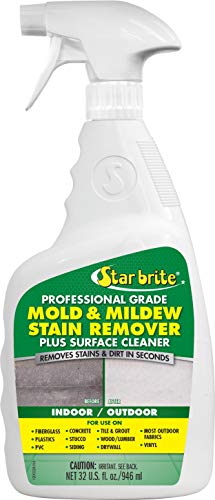
- Mold and mildew remover spray for fabrics
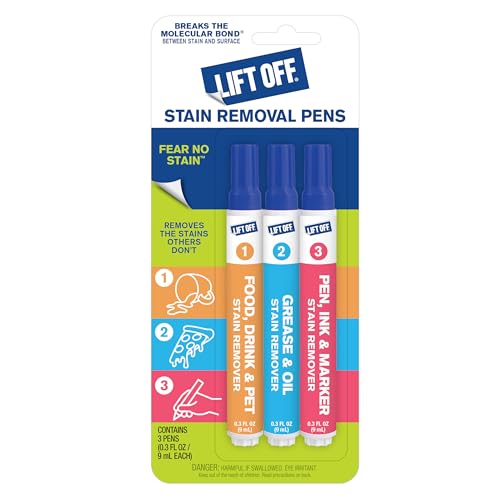
- Electric fabric stain remover pen for hats

Before You Start
Before cleaning, identify hat material (cotton, wool, or synthetics) and check care labels. Work in a well-ventilated area to avoid inhaling mist from cleaners. Test any product on a small, inconspicuous spot to confirm colorfastness. Expect a drying time of several hours depending on material and ventilation. Do not machine wash delicate hats unless the label permits.
Safety notes: wear gloves if you have sensitive skin and avoid highly concentrated cleaners on wool or heat-sensitive fabrics. If the hat has leather trims or metallic accents, focus cleaning on the fabric portions to prevent damage.
Step-By-Step: How To Clean Mold Off Hats
- Place the hat on a clean, dry surface and remove any visible surface mold with a dry cloth or soft brush.
- Apply a fabric hat mold remover spray to a clean cloth or directly onto moldy areas, following label directions. Do not saturate thin fabrics.
- Gently scrub with the soft bristle hat cleaning brush to lift embedded spores without shredding fibers.
- For stubborn mold, mist a light layer of mold and mildew remover spray for fabrics and allow it to sit for 5–10 minutes.
- Use an electric fabric stain remover pen for hats on any persistent stains after the spray has set; dab gently rather than rubbing hard.
- To lift remaining moisture, hover a portable garment steamer for hats a few inches away from the surface and steam in a circular motion. Avoid direct contact with heat for fragile fabrics.
- Let the hat air-dry completely in a well-ventilated space, preferably in shade. Shake or fluff the crown during drying to restore shape.
- Inspect for remaining odor or spots. Repeat the spray and brush steps if necessary, then re-dry fully before storage.
Troubleshooting
| Symptom | Likely Cause | Fix | Prevention |
|---|---|---|---|
| Musty odor persists after cleaning | Incomplete mold removal or poor drying | Repeat cleaning steps with proper airing time | Store hats in a dry, ventilated area; use silica packs |
| Color fading or staining | Harsh chemical exposure or over-wetting | Dial back spray concentration; test first; blot, don’t rub | Follow care labels; spot-clean only when necessary |
| Fabric feels stiff after drying | Residue from cleaners | Wipe with a damp cloth to remove residue and air-dry | Use minimal product in the future |
| Heat damage on delicate materials | Too close steam or high heat | Keep steamer at a safe distance; use low heat | Avoid heat on wool or felt; use cool air drying |
Common Mistakes
- Over-saturating fabrics with cleaner, leading to color bleed.
- Using rough brushes that fray fibers or leave lint behind.
- Skipping a thorough drying step, which invites re-mold.
- Cleaning leather trims with fabric cleaners or steam, causing damage.
Tips For Best Results
- Test all cleaners on a hidden area first to confirm colorfastness.
- Work in a ventilated area to avoid inhaling chemical vapors.
- During storage, keep hats off the floor and away from damp basements.
- Rotate hats to reduce prolonged moisture exposure and mold risk.
- Use a fabric-safe, mold-targeted spray regularly on stored hats to prevent buildup.
Call A Professional
Consult a professional if mold recurs after repeated cleaning, if the hat is valuable, or if the fabric is delicate, such as vintage felt. Seek urgent help for hats with extensive mold growth, visible structural damage, or susceptible allergy risks.
FAQ
Can I clean mold from all hat fabrics the same way?
Most cotton and synthetic fabrics respond well to sprays and light brushing, but wool, felt, or leather trims may require gentler approaches or professional cleaning.
Is it safe to use a steamer on wool or felt hats?
Yes, but at a safe distance and low heat to avoid distortion. Avoid prolonged steaming in one spot.
How long should hats air-dry after cleaning?
Allow several hours to overnight, depending on humidity and airflow, until completely dry.
Will cleaning remove all mold odors?
Most odors improve after cleaning and drying, but persistent smells may need repeated treatment or odor absorbers during storage.
Can I store hats in a closet with humidity control?
Yes, using a dehumidifier or silica packs helps maintain a dry environment and prevents mold growth.
Should I launder hats in a washing machine?
Only if care labels explicitly permit machine washing; many hats require hand cleaning or spot cleaning to avoid warping.
Buying Guide
When choosing tools to combat mold on hats, consider size, effectiveness, and fabric compatibility. A fabric hat mold remover spray is a convenient first line of defense for most fabrics, while a soft bristle hat cleaning brush helps lift spores without damaging fibers. A portable garment steamer for hats is useful for refreshed shaping and light decontamination, but keep heat moderate to protect materials. For stubborn stains, an electric fabric stain remover pen for hats adds targeted care. For large or persistent mold, you may combine sprays with brushing and steaming, then allow thorough air drying. Look for products labeled safe for fabrics, colorfastness tested, and with clear usage instructions. Consider storage conditions—humidity control and proper airflow can dramatically reduce mold risk between wears. Finally, ensure replacement brushes or brushes are gentle enough for delicate caps and robust enough for routine use. Asking yourself: Will this tool fit into your cleaning routine, and does it align with your hat materials? Good choices balance effectiveness, fabric safety, and ease of use to keep hats mold-free.