Maintaining a ceramic coated car involves a careful cleaning routine that preserves the coating’s hydrophobic properties and gloss. This guide provides practical, step-by-step instructions tailored for American drivers who want to keep their ceramic finishes looking showroom-new without damaging the protective layer.
Readers will find a concise quick overview, a complete list of needed tools, safety notes, a detailed step-by-step process, troubleshooting tips, and a buyer’s guide to optimize tool selection and maintenance practices.
Quick Answer
Use a pH-neutral car wash soap, a dedicated microfiber wash mitt, and a two-bucket wash system. Apply a ceramic coating maintenance spray periodically and consider a clay bar kit for stubborn contamination. Follow a meticulous, cool-water washing routine and avoid abrasive pads or household cleaners.
What You’ll Need
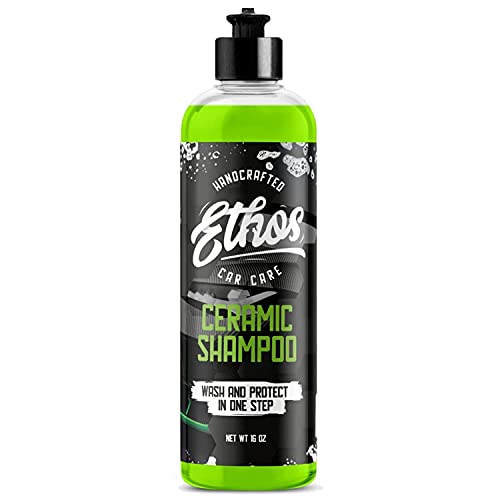
- pH-neutral car wash soap for ceramic coating
- microfiber wash mitt for ceramic coated car
- two-bucket car wash system with grit guard
- ceramic coating maintenance spray kit
- clay bar kit for ceramic coated vehicles


Before You Start
Prepare in a shaded area to avoid water spots, and wash when the vehicle is cool to the touch. Inspect surfaces for contaminants and plan to wash from top to bottom. Safety notes: wear gloves if you have sensitive skin and ensure the wash area is well-ventilated. Time estimate: 45–90 minutes for a full wash, depending on vehicle size and condition. Do not use harsh brushes, abrasive cloths, or household detergents as they can degrade the coating and dull the finish.
Step-By-Step: How To Clean A Ceramic Coated Car
- Rinse the entire vehicle with a gentle stream of water to loosen loose dirt.
- Fill the two-bucket system with clean, cool water and add the pH-neutral car wash soap per label instructions.
- Dip the microfiber wash mitt into the soapy bucket, begin at the roof, and rinse into the rinse bucket after each pass to prevent transferring dirt back to the surface.
- Use light, straight strokes and avoid circular scrubbing to minimize micro-scratches on the coating.
- Work in sections, frequently re-wetting the surface to maintain lubrication and prevent soap drying on panels.
- Rinse the car thoroughly with clean water, keeping water pressure low to avoid forcing dirt into the coating.
- For stubborn spots, use the clay bar kit for ceramic coated vehicles following the kit’s instructions and lubricate well with spray clay lubricant.
- Dry with a clean, plush microfiber towel or a dedicated drying towel, blotting rather than dragging to prevent micro-scratches.
- Apply a ceramic coating maintenance spray kit as directed to refresh the protective layer and boost hydrophobic properties between full decontamination washes.
- Inspect for water spots, residue, or high spots and re-wipe as needed. Store tools clean and dry to prevent residue buildup.
- Park in a shaded area after drying and consider a light periodic spray to maintain gloss and water beading.
Troubleshooting
| Symptom | Likely Cause | Fix | Prevention |
|---|---|---|---|
| Water beads unevenly | Coating wear or contamination | Reapply maintenance spray; perform a deeper clean if needed | Follow regular maintenance schedule |
| Streaks after drying | Soap residue or improper drying | Rinse thoroughly and dry with a clean towel | Use a drying aid or quick-detailer in low humidity |
| Feels rough to touch | Pollution or bonded contaminants | Clay bar decontamination with lubrication | Wash often and avoid aggressive drying |
| Etching on trim or glass | Harsh cleaners or incorrect dilution | Switch to pH-neutral products and test on hidden area | Use dedicated products for glass and trim |
Common Mistakes
- Using household cleaners or wax-based products that can break down ceramic coatings.
- Rubbing aggressively with abrasive towels or brushes, which can create micro-scratches.
- Skipping the rinse bucket or reusing dirty wash water, which trails debris across panels.
- Ignoring cool-down times and washing in direct sun or on hot paint.
- Neglecting regular maintenance spray applications, which can reduce hydrophobicity over time.
Tips For Best Results
- Maintain a strict two-bucket washing routine to separate soap and rinse water, reducing dirt transfer.
- Choose a dedicated microfiber wash mitt and drying towels designed for coated surfaces.
- Always lubricate the surface well when using a clay bar kit to prevent marring.
- Keep the maintenance spray kit handy for quick refreshes between deeper cleans.
- Store tools in a clean, dry place to avoid introducing contaminants during future washes.
Call A Professional
Seek professional help if the coating shows extensive wear, peeling, or hazing that cannot be resolved with routine washing. Signs that warrant a pro include deeper scratches, solvent damage, or coating delamination. If you notice persistent water spotting after cleaning, or if the coating seems inconsistent across panels, a certified detailer can assess the coating’s health and perform a safe, professional refresh or reapplication if needed.
FAQ
What is the best soap for ceramic coatings?
A pH-neutral car wash soap designed specifically for ceramic coatings helps preserve the protective layer and maintain gloss.
Can I use a clay bar on a ceramic coated vehicle?
Yes, but use a clay bar kit with proper lubrication and follow the kit instructions to avoid marring the surface.
How often should I use a ceramic coating maintenance spray?
Apply as recommended by the product instructions, typically after washing or during periodic maintenance to refresh hydrophobic properties.
Do I need a special wash mitt?
Yes, use a microfiber wash mitt designed for ceramic coatings to minimize scratching and hold lubrication well.
Is a two-bucket system essential?
While not strictly required, a two-bucket system with a grit guard greatly reduces dirt transfer and protects the coating.
Can I wash a ceramic-coated car in direct sunlight?
Avoid washing in direct sun to prevent soap drying on the surface and water spotting.
Buying Guide
When choosing products and tools for cleaning a ceramic coated car, consider size and vehicle type, noise levels from any electrical devices used, energy efficiency of any powered tools, control and ease of use, and placement in a clean, ventilated area. For wash basics, prioritize a pH-neutral soap and a dedicated ceramic-care spray. For contact cleaning, select a high-quality microfiber mitt and plush drying towels. A two-bucket wash system with a grit guard remains a highly effective setup. For deeper decontamination, ensure a reliable clay bar kit is included in your kit. Finally, plan routine maintenance after each wash to maintain gloss, beading, and protection over time.