Suction cup marks, often called cupping bruises, appear as part of cupping therapy or after use of silicone cups. While usually harmless and temporary, many seek ways to minimize appearance and speed healing. This guide provides practical steps, safe practices, and product recommendations to help American users manage and reduce cupping marks at home.
Quick Answer
Apply a cold compress or ice roller promptly to reduce inflammation, then use a gentle massage with a silicone cupping set or a gua sha tool designed for cupping marks. Follow with hydration, rest, and light massage using a massage roller tool to encourage circulation without aggravating the skin.
What You’ll Need
- cupping therapy bruise reducer silicone cup set
- silicone cupping set for post-treatment bruising
- gua sha tool massage for cupping marks
- ice roller for post-cupping bruising
- massage roller tool for cupping marks relief


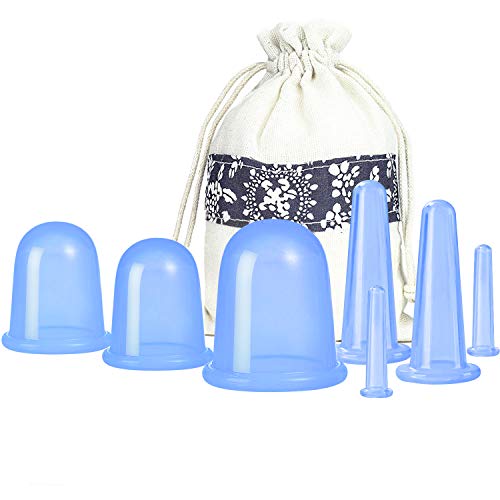
Before You Start
Before attempting at-home care, ensure the skin is clean and free of open wounds. Do not use cupping devices over irritated or sunburned skin. If bruising is unusually severe, persistent, or accompanied by pain, consult a healthcare professional. Avoid applying excessive pressure or leaving cups in place too long, which can worsen bruising. A light touch is sufficient for healing support, especially on sensitive areas like the face or neck.
Step-By-Step: How To Reduce Cupping Marks
- Start with a cold pre-treatment: apply a cold pack or ice roller on the area for 5–10 minutes to constrict blood vessels and reduce initial swelling.
- Gentle warming: after the initial cold, use a warm compress or a warm massage with a light oil to prepare the skin for gentle manipulation.
- Light massage to boost circulation: using a massage roller tool for cupping marks relief, perform slow, shallow strokes around the bruised areas to encourage lymphatic drainage without aggravating the skin.
- Careful cupping touch: if you continue cupping, keep cups in place for a short period (usually 3–5 minutes) and remove gradually. Avoid pulling or twisting aggressively.
- Post-treatment cooling: apply a cool compress again for 5 minutes to minimize any remaining inflammation and soothe the skin.
- Aloe vera or soothing gel: apply a fragrance-free, hypoallergenic gel or lotion to calm the skin and maintain hydration.
- Hydration and rest: increase water intake and allow time for the body to metabolize the bruise naturally over the next few days.
- Targeted recovery routine: use a gua sha tool or a silicone cupping set for light, non-irritating strokes to support lymphatic flow and reduce residual discoloration.
- Consistent, light sessions: if using cupping regularly, limit sessions to 1–2 times per week and monitor skin response.
- Complementary therapies: use an ice roller and a gentle massage routine to maintain comfort and promote faster recovery.
- Protect the skin: avoid sun exposure on treated areas and use sunscreen if exposure is unavoidable.
Troubleshooting
| Symptom | Likely Cause | Fix | Prevention |
|---|---|---|---|
| Bruising lasts longer than a week | Overly aggressive pressure | Decrease pressure, shorten treatment time | Use lighter pressure and proper cup sizes |
| Skin becomes itchy or irritated | Allergic reaction or dry skin | Switch to fragrance-free products, apply soothing gel | Patch test new products |
| Bruises are very dark or painful | Underlying vessel damage | Pause cupping and seek medical advice | Follow recommended post-care guidelines |
| Swelling increases after treatment | Improper technique | Consult a trained practitioner for guidance | Use proper technique and timing |
Common Mistakes To Avoid
- Using cups on irritated or broken skin
- Holding excessive suction or leaving cups on too long
- Ignoring skin sensitivity signals like intense redness or pain
- Overlapping cupping areas without rest periods
- Applying strong, aromatic products that irritate the skin
Sticking to gentle pressure, clean surfaces, and clear post-care steps helps minimize marks and support recovery fast.
Tips For Best Results
- Always start with clean skin and hands before any cupping session.
- Keep sessions brief and comfortable; there is no need to intensify if skin reacts.
- Combine with cold therapy immediately after and gentle massage to improve drainage.
- Choose silicone cupping sets designed for post-treatment bruising to support even suction and reduce trauma.
- Hydration matters: water supports the body’s natural healing processes.
Call A Professional
Seek professional help if suction cup marks do not fade within a week, if there is severe pain, or if bruising covers large areas or occurs with other symptoms such as fever or dizziness. If unsure about skin sensitivity, consult a licensed practitioner or dermatologist before continuing at-home care.
FAQ
What causes suction cup marks to appear?
Suction creates a localized increase in blood flow and capillary leakage, resulting in temporary bruising that fades with time.
Are suction cup marks dangerous?
Usually not, but excessive pressure or skin issues can lead to complications. Seek medical advice if bruising is severe or persistent.
How long do cupping bruises typically last?
Most disappear within a few days to a week, depending on skin type and technique used.
Can I use products like gua sha tools on cupping marks?
Yes, using a gua sha tool gently can help with lymphatic drainage, but avoid aggressive scraping over sensitive bruised skin.
Does ice help after cupping?
Yes, applying ice or a cold roller shortly after treatment can reduce swelling and discomfort.
Can I still cupping if I have sensitive skin?
Yes, but use smaller cups, lighter suction, and consult a professional to tailor the approach to sensitive areas.
Is it okay to resume activities after cupping?
Light activity is fine, but avoid intense workouts on treated areas for the first 24 hours to prevent further irritation.
Buying Guide
When choosing a kit or tools to manage suction cup marks, consider several factors to maximize comfort and effectiveness.
- <bSize and fit: Select silicone cups in multiple sizes to accommodate different body areas and bruise extents. Smaller cups are gentler on the face and neck, while larger ones cover broader areas.
- <bMaterial quality: Look for medical-grade silicone that’s soft, durable, and easy to clean. Flexible cups reduce skin trauma.
- <bNozzle and suction control: A smooth suction mechanism allows precise control to avoid excessive pressure.
- <bPost-treatment focus: Sets marketed for post-treatment bruising may include soothing gels or guidance tailored to healing bruises.
- <bVersatility: A versatile kit with gua sha tools and a massage roller provides multiple recovery options to reduce marks.
- <bEase of cleaning: Choose products with non-porous surfaces to simplify sanitation between uses.
- <bSafety and instructions: Clear usage instructions and safety cautions help reduce the risk of skin damage.
- <bWarranty and customer support: Reliable support helps if questions arise during use or if products wear over time.
Micro-management of expectations, consistent care, and using the right combination of tools can support faster recovery while minimizing visible marks. If in doubt, start with a smaller set and gradually expand usage as skin responds.