Scuba diving relies on a clear, well-maintained mask to see the underwater world clearly. Regular cleaning removes salt, oil, and debris that can cloud vision or cause fogging. This guide provides practical steps, using common gear, to keep a scuba mask in top condition for American divers.
Following proper cleaning routines can extend mask life, improve comfort, and reduce the chances of mask-related irritation underwater. The methods below emphasize safety, effectiveness, and easy maintenance with readily available products.
Quick Answer
Rinse the mask with fresh water after each dive, remove residue with a dedicated cleaning brush, and apply an anti fog solution or defog spray before each dive. Use a microfiber cloth to dry and polish the lenses, and store the mask in a cool, dry place away from direct sunlight.
What You’ll Need
- Scuba diving mask cleaning kit
- Mask defog spray for diving
- Scuba mask cleaning brush
- Anti fog solution for scuba mask
- Microfiber cloth for cleaning scuba mask
- Water source for rinsing (fresh water preferred)


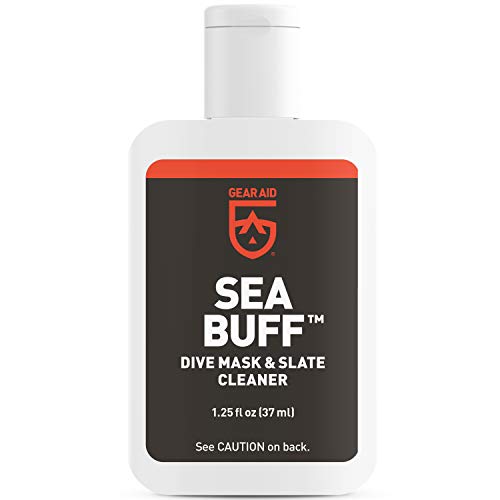
Before You Start
Before cleaning, inspect the mask for cracks, loose straps, or damaged seals. If any parts are compromised, replace them before using the mask underwater. Use fresh water to remove sand or salt, and avoid harsh chemicals that can degrade rubber or silicone.
Important cautions: do not use harsh solvents or abrasive cleaners on silicone skirts or lenses. Never wipe lenses dry with rough materials that could scratch the glass. Allow the mask to fully dry before storage to prevent mold or mildew buildup.
Time estimate: 10–15 minutes for a thorough clean, plus 5 minutes for drying and defogging before the next dive.
Step-By-Step: How To Clean A Scuba Mask
- Rinse the mask with fresh water immediately after a dive to remove salt and debris.
- Gently remove the strap and lift the mask away from the face to access the lenses and skirt.
- Use the scuba mask cleaning brush to scrub the frame, skirt, and lenses with light pressure, focusing on salt buildup along the rim.
- Rinse again to wash away loosened particles, then pat dry with a microfiber cloth for a soft, streak-free finish.
- Apply a thin line of anti fog solution for scuba mask or mask defog spray, coating the interior of the lenses in a circular motion.
- Rinse lightly to remove excess defog product, leaving a faint film that helps prevent fogging during immersion.
- Reassemble the mask, inspect the silicone skirt for flexibility, and ensure the lens sits cleanly without smudges.
- Let the mask air dry fully before storing, or wipe with the microfiber cloth and store in a cool place away from direct sunlight.
- For recurring fogging issues, reapply anti fog solution prior to each dive as part of a pre-dive routine.
- Periodic deep clean: soak the mask in mild, non-abrasive cleaner for a few minutes if buildup persists, then rinse thoroughly and dry.
- Test fit on land and again in shallow water to verify comfort and visibility before a full dive session.
Troubleshooting
| Symptom | Likely Cause | Fix | Prevention |
|---|---|---|---|
| Persistent fogging | Insufficient defog film or contaminants inside lenses | Reapply anti fog solution and rinse lightly | Clean lenses before each dive; avoid touching inner lens surface |
| Stiff or cracked skirt | Wear or age of silicone material | Replace mask or skirt; check warranty | Rinse after use; store away from heat |
| Streaky lenses after cleaning | Residue from cleaner or towel fibers | Wipe with clean microfiber cloth only | Use dedicated microfiber cloth; avoid paper towels |
| Uneven fit or leaking | Mask not sealing properly | Adjust strap, recheck nose clearance, reseat mask | Proper mask sizing and fit test on land |
Common Mistakes
- Using household detergents or solvents on silicone skirts
- Airing out the mask in direct sunlight, which can degrade materials
- Wiping lenses with rough cloth or paper towels
- Rushing the rinse, leaving salt crystals behind
Careful handling and using the right tools help prevent these issues.
Tips For Best Results
- Store masks with the lens covered to avoid scratches when not in use
- Always rinse in fresh water after saltwater dives to minimize residue
- Test defog methods in a pool before an open-water dive
- Consider a dedicated microfiber cloth for mask cleaning to keep residues away from lenses
Call A Professional
Seek professional help if the mask leaks after multiple reseating attempts, if the silicone skirt shows signs of tearing, or if there is persistent fogging despite cleaning. Do not attempt permanent repairs on damaged components; structural issues typically require replacement.
FAQ
How often should I clean my scuba mask?
Rinse after every dive and perform a thorough cleaning weekly or after heavy use to avoid buildup.
Can I use regular soap on my mask?
Avoid regular soaps; they can leave residues. Use a dedicated mask cleaner or mild anti fog products.
What is the best anti fog for scuba masks?
Choose a product labeled for scuba masks and follow the manufacturer’s instructions for application.
Is it safe to soak a mask in cleaner?
Soaking is possible with mild cleaners, but avoid aggressive chemicals that can degrade silicone.
Buying Guide
When selecting a mask cleaning setup, consider factors such as size compatibility, material quality, and ease of use. A dedicated scuba diving mask cleaning kit simplifies maintenance by providing a cohesive set of tools designed for the task.
Size matters: ensure the mask itself fits your face well to prevent leaks, and choose a brush that reaches along the skirt without damaging silicone. Noise level and energy use are not typical concerns for cleaning gear, but ease of storage and portability matter for travel divers.
Controls and placement: keep cleaning products clearly labeled and stored away from heat sources. Place the microfiber cloths and brush in a small pouch near your dive bag for quick access.
Comparative perspectives: a complete kit with a defog spray and anti fog solution can provide redundancy—if one method isn’t effective, another can be used. For frequent divers, investing in multiple microfiber cloths reduces cross-contamination of residues.
Practical question: do you need both a defog spray and an anti fog solution? Many divers find that using one effective anti fog product per dive is sufficient, but having both options can offer flexibility in varying water conditions and temperatures.