Neoprene weights are popular for their comfortable grip and durable coating, but the material can trap sweat and grime over time. Regular, gentle cleaning keeps them looking new and extends their life. This guide explains a practical method using common gym cleaning tools and mild cleaners suitable for American homes.
Quick Answer
For routine cleaning, wipe the weights with a mild soap solution, scrub gently with a soft bristle brush, rinse with clean water, and pat dry with a microfiber towel. Avoid abrasive cleaners and high-pressure spraying that can damage the neoprene coating.
What You’ll Need
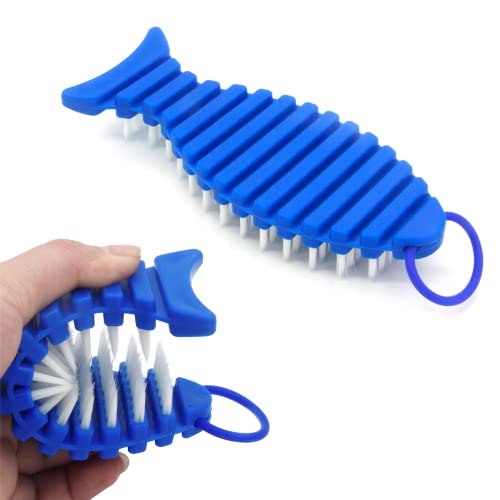
- Neoprene dumbbell cleaning brush
- Soft bristle gym equipment brush for neoprene weights
- Neoprene weight cleaning spray mild soap
- Microfiber towel for cleaning neoprene weights
- Dish soap mild cleaner for neoprene weights

Before You Start
Prepare a clean, uncluttered workspace. Use lukewarm water and test any cleaner on a small, inconspicuous area of the weight first. Avoid abrasive pads, strong solvents, and harsh chemicals as they can wear away the neoprene coating. Set aside 5–10 minutes for cleaning after workouts to prevent grime buildup.
Step-By-Step: How To Clean Neoprene Weights
- Remove any loose dust or chalk by wiping the surface with a dry microfiber towel.
- Prepare a cleaning solution using a small amount of dish soap or the neoprene weight cleaning spray in warm water.
- Dip the soft bristle brush into the solution and gently scrub the neoprene surface in circular motions, focusing on handles and edges where grime collects.
- Rinse the weight with clean, lukewarm water to remove soap residue. Do not soak the entire weight for long periods.
- Wipe the surface dry with a clean microfiber towel. Ensure all moisture is removed to prevent mildew between the neoprene and metal core.
- For stubborn spots, apply a tiny amount of mild dish soap directly to the brush and repeat the gentle scrub, then rinse and dry.
- Allow the weights to air-dry completely in a well-ventilated area before putting them away.
- Inspect for wear regularly; if the neoprene shows cracks or peeling, consider replacing the weights to avoid injury.
Troubleshooting
| Symptom | Likely Cause | Fix | Prevention |
|---|---|---|---|
| Dull or sticky surface after cleaning | Soap residue left behind | Rinse thoroughly with clean water and wipe dry | Rinse immediately after scrubbing |
| Neoprene peeling or cracking | Using harsh cleaners or excessive force | Switch to mild cleaners and gentler brushing | Limit exposure to chemicals; store away from extreme temperatures |
| Persistent odor | Moisture trapped inside coating | Dry thoroughly; air out in a sunny area | Wipe down after workouts and dry promptly |
| Stains that won’t come out | Rust or mineral deposits from water | Use a small amount of white vinegar diluted with water, then rinse | Dry completely after each cleaning |
Common Mistakes
- Using abrasive brushes or scouring pads on neoprene
- Submerging weights for long periods or soaking the neoprene
- Using solvent-based cleaners that can degrade the surface
- Neglecting to dry the weights thoroughly after cleaning
Tips For Best Results
- Clean weights after heavy sweat sessions to prevent residue buildup
- Store weights in a dry, cool area to protect neoprene coating
- Rotate cleaning duties to keep equipment consistently sanitized
- Use a dedicated cleaning brush to avoid cross-contamination with other gear
- Label cleaners for neoprene-specific use to avoid unintended damage
Call A Professional
Consider consulting a professional if the neoprene coating shows extensive peeling, cracking, or corrosion on the metal core. Seek help if odors persist after thorough cleaning or if you notice structural damage that could compromise safety.
FAQ
Can I use ordinary dish soap on neoprene weights?
Yes, a mild dish soap is typically safe when diluted in warm water and used with a soft brush.
Is it okay to soak neoprene weights to clean them?
Short soaks are generally not recommended; prolonged exposure can degrade the neoprene.
What should I do if the neoprene starts peeling?
Discontinue use and replace the weight, as peeling can expose the core and pose injury risk.
How often should neoprene weights be cleaned?
Clean them after heavy sweating or every few workouts to prevent grime buildup.
Can I use bleach or alcohol-based cleaners?
Avoid strong solvents like bleach or alcohol, which can damage neoprene; stick to mild cleaners.
Buying Guide
Choosing the right cleaning approach for neoprene weights involves considering size, frequency of use, and care routine. When evaluating brushes and cleaners, prioritize products designed for neoprene coatings to minimize wear and tear. Consider the following factors to optimize results and extend the life of weights:
- Cleaning tools: Soft bristle brushes protect the neoprene while effectively removing grime.
- Cleaning solutions: Mild soaps or dedicated neoprene sprays prevent coating damage and residue buildup.
- Rinse and dry options: Readily available microfiber towels help absorb moisture without leaving fibers behind.
- Surface prep: A clean, dry workspace reduces the chance of transferring debris to weights.
- Storage: Keep weights in a dry, ventilated area to minimize odor and material degradation.
If multiple weights are in use, consider a routine that alternates cleaning days to maintain consistent hygiene. Are you aiming for minimal maintenance or thorough deep cleaning? Balancing frequency with your workout schedule will help you choose the right cleaning cadence and products. By selecting tools and cleaners designed for neoprene, users can keep weights clean, safe, and ready for every session.