Maintaining a Saalt Cup involves a simple routine that keeps it hygienic and ready for use. This guide provides practical steps, safety tips, and product recommendations to ensure effective cleaning and long-lasting performance.
Quick Answer
Rinse, boil or sterilize periodically, then dry completely. Use a dedicated silicone brush for any residual fibers, and choose a portable cleaning kit for travel. Regular, thorough cleaning helps prevent odor and irritation.
What You’ll Need
- Saalt Cup cleaning kit or a compatible cleaning set
- Silicone menstrual cup cleaning brush for rinsing around the rim and in small crevices
- Menstrual cup sterilizer bag for on-the-go sanitizing in a microwave or hot water bath
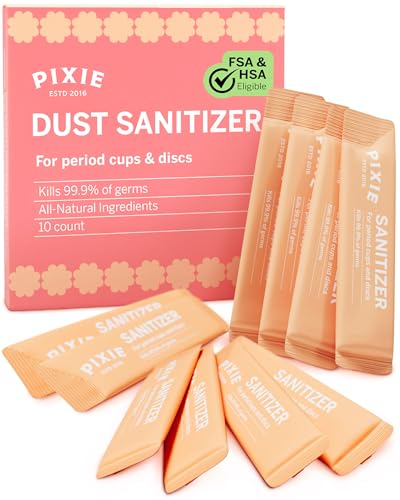
- Menstrual cup sterilizer tablets for easy at-home sterilization
- Travel menstrual cup cleaning kit to stay clean while away from home


Before You Start
Before cleaning, wash hands with soap and water. Inspect the Saalt Cup for cracks or wear; replace if damaged. Prepare the cleaning area with a clean towel and soap-free water. Never use oil-based soaps or abrasive cleaners, which can degrade the silicone. Time estimates vary by routine: plan 5–15 minutes for daily cleaning, and 20–30 minutes for full sterilization sessions.
Step-By-Step: How To Clean Saalt Cup
- Remove the cup and rinse under cool to lukewarm water to remove menstrual fluid.
- Wash your hands again and use a mild, oil-free soap or your Saalt cleaning kit brush to scrub the cup’s surfaces, paying attention to the grooves near the stem.
- Rinse thoroughly to remove all soap residues; inspect for any discoloration or residue.
- Place the cup in a sterilizer bag or boil it in water if recommended by the manufacturer; avoid covering it with metal that could scratch the silicone.
- For microwave sterilization, follow the bag’s instructions and timing; for tablets, dissolve in boiling water as directed and soak the cup until clean.
- Dry the cup completely with a clean towel or air dry on a dedicated rack before reinsertion.
- Store in a breathable pouch or container to prevent moisture buildup between uses.
- When traveling, use the travel menstrual cup cleaning kit to maintain cleanliness on the go and rewash upon return.
Troubleshooting
| Symptom | Likely Cause | Fix | Prevention |
|---|---|---|---|
| Persistent odor after cleaning | Sap or residue trapped in folds | Re-clean with cup brush, then sterilize | Clean after every use; avoid oils |
| Stiff or sticky texture | Soap residue or mineral deposits | Rinse thoroughly; consider a second rinse/boil | Rinse completely after washing; use mild soap |
| Crack or tear in silicone | Old cup or damaged sterilization routine | Replace the cup | Follow manufacturer guidelines for heat exposure |
| Color changes with no odor | Natural silicone aging | Inspect for wear; replace if unsure | Regular inspection, avoid harsh cleaners |
Common Mistakes
- Using regular kitchen cleaners or oils on silicone
- Not rinsing thoroughly after washing, leaving soap residue
- Overexposing the cup to high heat without proper guidelines
- Storing the cup in an airtight container when damp
- Neglecting to inspect the cup for wear and tear
Tips For Best Results
- Warm water rinse follows every use to minimize staining and odor buildup.
- Use a dedicated silicone brush to reach the cup’s smallest crevices.
- Periodic sterilization with tablets or a sterilizer bag ensures deeper sanitation.
- Label travel kits to prevent cross-contamination with other personal items.
- Keep spare cleaning supplies in your bag for quick refreshes away from home.
Call A Professional
If the Saalt Cup shows persistent damage, discolored or rough surfaces, or experiences unusual irritation, seek medical advice and consider replacing the cup. Do not attempt repairs or continued use if the silicone appears compromised.
FAQ
How often should I sterilize the Saalt Cup?
Periodic sterilization is recommended—before first use, after the end of each cycle, and during extended use or travel as needed.
Can I use vinegar or bleach to clean the cup?
Vinegar and bleach are generally not recommended for silicone cups as they can degrade material integrity over time.
Is it safe to microwave a silicone cup?
Only when using a designated sterilizer bag or instructions from the manufacturer. Do not microwave the cup directly or without proper packaging.
What should I do if the cup smells after washing?
Rewash with a dedicated brush, then sterilize and ensure it is fully dry before storing.
When should I replace my Saalt Cup?
Replace if there are visible cracks, tears, persistent odor despite cleaning, or if the cup no longer seals properly.
Is it safe to use the cleaning kit daily?
Yes, using the designated cleaning tools daily helps maintain hygiene while avoiding harsh cleaners.
Can I use the cup immediately after sterilization?
Allow the cup to cool and dry completely before reinsertion.
Buying Guide
Choosing the right cleaning setup for a Saalt Cup involves several factors. Consider the size of your cup and how often you travel, as this influences the need for a travel cleaning kit and compact sterilization options. Noise and energy use matter for in-home sterilization, especially if choosing microwave bags versus tablet systems. Look for easy-to-use controls, compatibility with your preferred cleaning workflow, and a design that fits your storage space. When comparing options, think about:
- Size and compatibility with your cup model
- Ease of use and speed of cleaning cycles
- Effectiveness of sterilization methods (bags, tablets, or both)
- Portability for travel and ongoing availability of replacement parts
- Material compatibility and safety certifications
Would you prefer a single, all-in-one kit or a modular approach that lets you mix and match cleaning tools? Balancing budget with convenience helps identify the best solution for keeping the Saalt Cup clean, comfortable, and ready for use.