Keeping catcher’s gear clean is essential for safety, odor control, and overall hygiene on the field. Proper cleaning helps extend the life of pads, masks, and helmets while reducing the risk of skin irritation or infections. This guide outlines practical steps and recommended tools to clean and refresh catcher’s equipment after practices and games.
Following a regular cleaning routine can prevent buildup of dirt, sweat, and sunscreen, which can degrade materials over time. The steps below combine simple household cleaners with sport-specific products to ensure gear stays in top condition without harsh treatments.
Quick Answer
- Rinse gear with water to remove loose dirt
- Use a dedicated cleaning brush set for tight spots and seams
- Apply a baseball equipment cleaning spray for disinfecting
- Finish with a deodorizing spray and microfiber cloths for drying and polishing
What You’ll Need
The following tools and products are recommended for effective catcher’s gear cleaning. Use the closest available equivalents if some items are not on hand.
- baseball catcher gear cleaning brush set
- catcher mask cleaning brush
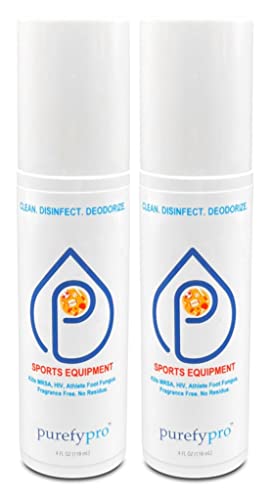
- baseball equipment cleaning and disinfectant spray
- sports gear odor eliminator spray for baseball equipment
- baseball helmet cleaning kit microfiber cloths brush


Before You Start
Work in a well-ventilated area and lay out gear on a clean surface. Test any cleaner on a small, inconspicuous spot first to ensure no color bleed or fabric damage. Avoid soaking leather, suede, or heavily padded components as prolonged moisture can affect padding integrity. Schedule a cleaning session within 24–48 hours after heavy use to prevent mold and mildew buildup. Critical cautions: check manufacturer care labels on each piece and do not use abrasive cleaners on delicate surfaces.
Step-By-Step: How To Clean Catcher’s Gear
- Remove all detachable parts and set aside for separate cleaning, including masks, chin straps, and padding.
- Rinse off loose dirt with cool water. Do not use hot water, which can damage materials.
- Use the catcher mask cleaning brush to scrub the mask face, bars, and foam lining. Pay attention to crevices where sweat accumulates.
- Apply a baseball equipment cleaning and disinfectant spray to the exterior surfaces of pads, helmet shells, and masks. Let it sit for the labeled dwell time, then wipe with a microfiber cloth.
- Gently scrub the chest protector’s outer shell and the leg guards with the brush set, focusing on seams and rivets where grime collects.
- Wipe dry with microfiber cloths and allow parts to air-dry completely before reassembling. Do not store damp gear.
- Use a sports gear odor eliminator spray on pads and inside helmets to neutralize hidden odors. Spray lightly and air out.
- Check all straps and buckles for wear. If stitching is loose or hardware is corroded, consider replacement or professional maintenance.
- Reassemble gear once all pieces are dry, ensuring a snug but comfortable fit for the next use.
- Store gear in a well-ventilated bag or locker to prevent moisture buildup between uses.
Troubleshooting
| Symptom | Likely Cause | Fix | Prevention |
|---|---|---|---|
| Persistent odor | Residual sweat and mildew | Re-spray with odor eliminator and increase drying time | Dry thoroughly after each use; rotate gear |
| Stiff leather or foam | Over-drying or harsh cleaners | Use mild cleaners; apply a light conditioner if compatible | Limit exposure to water; air-dry fully |
| Color fading or spots | Harsh chemicals or prolonged soaking | Switch to sport-specific cleaners; avoid soak | Spot-clean; test cleaners first |
| Loose straps | Wear and tear | Repair or replace worn components | Inspect after each wash |
| Mask fogging during play | Improper fit or damaged visor | Replace visor or adjust fit | Regular inspection |
Common Mistakes
- Over-wetting leather or foam components, leading to damage.
- Using household cleaners with strong solvents on protective gear.
- Skipping drying time, which invites mold or odor buildup.
- Neglecting smaller parts like chin straps and buckles during cleaning.
Tips For Best Results
- Clean gear soon after practice to prevent buildup of sweat and sunscreen residue.
- Use dedicated brush sets designed for protective sports gear to reach tight corners.
- Pair disinfection with deodorizing sprays for long-lasting freshness between games.
- Store gear in a breathable bag or locker with good airflow; avoid plastic bags that trap moisture.
- Regularly inspect gear for wear and tear; early replacement reduces injury risk.
Call A Professional
Seek professional help if gear shows deep cracks in protective padding, persistent foul odors that refuse to disappear, or any structural damage to masks, helmets, or pads. Do not attempt to repair compromised components yourself, as it may reduce protective performance.
FAQ
How often should catcher’s gear be cleaned?
Clean after heavy use or weekly during peak play, with a thorough wipe-down after each practice.
Can I use regular household cleaners on catcher gear?
Avoid strong solvents; use sport-specific cleaners or mild, diluted detergents designed for gear.
Is it okay to soak gear in water?
Do not soak; brief rinses are fine, followed by thorough air-drying.
Where should I store catcher gear?
In a breathable bag or locker with airflow; avoid enclosed spaces that trap moisture.
Buying Guide
When choosing cleaning and deodorizing products for catcher’s gear, consider several factors to ensure compatibility and effectiveness.
- <bSize and material compatibility: Ensure sprays and brushes are safe for leather, foam, and plastic components typical in catcher gear.
- <bNoise and ease of use: Select spray bottles and brushes that are easy to apply and maneuver around tight areas such as mask visors and chin straps.
- <bOdor control versus disinfection: Balance odor eliminators with disinfectants to address both smells and germs.
- <bControl and coverage: Look for wide-mist sprays or targeted brushes to avoid oversaturation while treating all surfaces.
- <bPlacement and storage: Store products near the gear in a ventilated area; keep cleaners separate from storage areas to prevent accidental contact with skin.
- <bBranding and accessibility: Choose reliable brands that offer dedicated catcher gear cleaning kits or compatible accessories for consistent results.
For many players, a dedicated cleaning routine—using a baseball catcher gear cleaning brush set, catcher mask cleaning brush, and the right sprays—delivers the best balance of hygiene and gear longevity. Want to simplify the process? A complete baseball helmet cleaning kit with microfiber cloths and a brush can streamline maintenance. Are you preparing for a big season? Plan a routine that pairs quick post-game touch-ups with a deeper weekly clean.