Cleaning a panini maker keeps it performing like new and extends the life of its nonstick plates. This guide covers practical steps, safe products, and common pitfalls to avoid for American kitchens.
Quick Answer
Unplug the unit, let it cool, then wipe with a damp cloth. For tough residue, use a dedicated nonstick grill plate cleaner spray for panini press or a panini press cleaning brush for nonstick grill plates, followed by a light scrub with a stainless steel grill brush for electric panini maker if approved by the manufacturer. Finish with wipes or a towel to dry.
What You’ll Need
- Nonstick grill plate cleaner spray for panini press
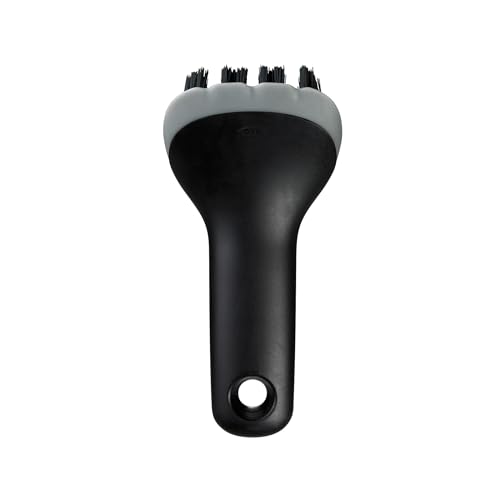
- Panini press cleaning brush for nonstick grill plates
- Removable grill plate scraper for panini maker
- Stainless steel grill brush for electric panini maker
- Panini maker cleaning wipes degreaser pack
- Soft cloths or paper towels


Before You Start
Read the user manual for specific guidance on your model. Avoid using metal utensils or harsh abrasive cleaners on nonstick surfaces, which can cause scratches. Ensure the unit is fully unplugged and cooled before cleaning. If the plates are removable, detach them according to the manufacturer’s directions and clean separately. Plan for a 15–30 minute cleanup window to prevent buildup from becoming stubborn.
Step-By-Step: How To Clean A Panini Maker
- Unplug and unplug the cord to prevent any electrical hazards; allow the unit to cool completely.
- Remove any excess crumbs with a dry brush or a panini press cleaning brush for nonstick grill plates.
- If plates are removable, detach them following the manual and place them on a stable surface.
- Spray nonstick grill plate cleaner spray for panini press onto the plates or apply a small amount of warm soapy water.
- Gently scrub with the removable grill plate scraper for panini maker and a non-abrasive cloth to lift tough residue.
- Wipe away cleaner with a damp cloth; avoid leaving soapy film on the surfaces.
- Dry all components thoroughly with a clean towel; reassemble the plates if they were removed.
- For exterior surfaces, wipe with a damp cloth and dry to prevent streaks or fingerprints.
- Run a quick test by heating briefly with a clean cloth nearby; ensure no cleaner residue remains before cooking again.
- Store the appliance in a dry area and consider applying a thin, even coating of oil on the plates if the manual recommends it.
Troubleshooting
| Symptom | Likely Cause | Fix | Prevention |
|---|---|---|---|
| Stubborn grime on nonstick plates | Residual grease buildup | Use | panini maker cleaning wipes degreaser pack |
| Scratches after cleaning | Use of abrasive tools | Switch to non-abrasive brushes; only use | removable grill plate scraper for panini maker |
| Uneven heating after cleaning | Water or cleaner left on plates | Ensure complete drying; wipe with dry cloth | |
| Rust on exterior hardware | Exposure to moisture | Dry thoroughly; store in a dry place |
Common Mistakes
- Using metal brushes on nonstick plates, which can scratch the surface.
- Spraying cleaner directly onto heating elements or electrical parts.
- Leaving soap residue on plates before use, causing flavors to transfer.
- Cleaning while the unit is still warm, risking burns or warping of components.
Tips For Best Results
- Clean after each use to prevent grease buildup; regular maintenance reduces deep cleaning time.
- Keep a dedicated set of tools for panini cleaning to avoid cross-contamination with other cookware.
- If plates are removable, clean them separately for a more thorough cleanse.
- Store cleaning supplies within reach but away from heat sources.
Call A Professional
Contact a professional if the unit shows electrical issues, persistent cooking odors after cleaning, or if visible rust forms on structural parts. Do not operate the appliance if there are exposed wires, melted components, or if the failure could involve the power supply.
FAQ
Can I use dish soap to clean my panini maker?
Yes, a mild dish soap with warm water is typically safe for nonstick surfaces; rinse well and dry completely.
Are removable plates easier to clean?
Yes, removing the plates allows for a deeper clean and easier access to all grooves and ridges.
Is a metal brush safe for nonstick plates?
No, metal brushes can scratch nonstick coatings; use a soft brush or scraper designed for nonstick surfaces.
How often should I clean the panini maker?
Clean after every use to prevent buildup; deep-clean weekly if the appliance sees heavy use.
What should I do if cleaning wipes are not available?
Use a soft cloth with a small amount of warm, soapy water and a non-abrasive cleaner, then dry thoroughly.
Buying Guide
When selecting a panini maker with ease of cleaning in mind, consider size, plate type, and cleaning compatibility. A model with removable, dishwasher-safe plates can simplify maintenance. Look for nonstick coatings that tolerate mild cleaners and avoid models that require harsh chemicals. Noise level and energy use are practical factors for frequent users, while placement—on a countertop away from sinks and heat sources—impacts daily upkeep. Compare options by examining how each unit supports a quick wipe-down versus a full teardown, and whether extra cleaning tools are bundled or sold separately. Do you prefer a compact unit for small kitchens or a larger model for frequent sandwich making? Regardless, a thoughtful cleaning routine saves time and keeps panini results consistent.