Steam cleaning curtains is a quick and chemical-free way to refresh fabrics, remove wrinkles, and kill germs. This guide walks American readers through a practical approach using common steamers and attachments designed for curtains, drapes, and upholstery.
Whether you have lightweight sheers or heavy drapes, the right technique protects fabric while delivering cleaner, brighter results.
Quick Answer
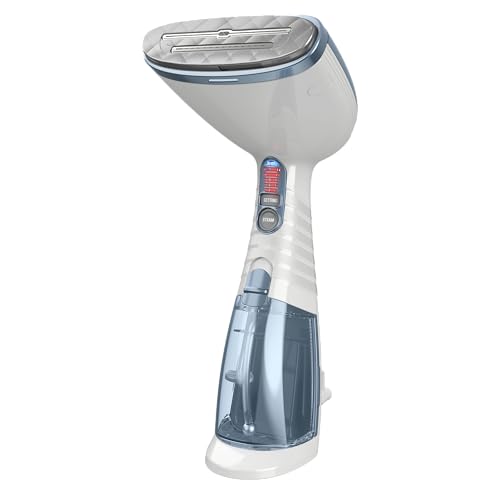
Best quick method: use a vertical garment steamer or handheld fabric steamer for curtains, keeping the nozzle 1–2 inches away from fabric and moving in long, steady strokes. For stubborn wrinkles or odors, a mini steam cleaner for curtains and upholstery fabrics can help without soaking the fabric.
What You’ll Need
- handheld fabric steamer for curtains
- portable garment steamer large fabric window drapes
- mini steam cleaner for curtains upholstery fabric
- steam cleaner with fabric and upholstery attachments
- vertical garment steamer for drapes curtains


Before You Start
Before beginning, inspect curtain hardware and ensure the steam appliance is clean and functioning. Read the manufacturer’s instructions for fabric compatibility and heat settings. Do a quick patch test on an inconspicuous area to verify colorfastness. Clear the area beneath the curtains to prevent water pooling and wet spots on floors. Heating times vary by device, but most steamers are ready within 60–90 seconds.
Step-By-Step: How To Steam Clean Curtains
- Close curtains or drapes to access the full surface and hang them flat so the fabric is taut.
- Fill the steamer’s reservoir with clean water and select a low to medium heat setting suitable for the fabric type.
- Test a small corner first, holding the steamer at a slight angle away from the fabric to avoid water droplets.
- For delicate fabrics, use the vertical garment steamer with slow, vertical motions, starting at the top and working downward.
- Move the steam head in continuous, straight strokes; pause briefly to allow heat to release trapped moisture and wrinkles.
- Target areas with odors or wrinkles by hovering slightly closer, but never touching the fabric with a hot plate.
- For heavy drapes, run the steamer along the inner lining to reach the fabric’s backside for a thorough refresh.
- After steaming, let curtains hang for a few minutes to air dry and set the fabric’s shape.
- Optional: use a fabric attachment to lift lint and pet hair while steaming, then re-hang once dry.
- Inspect for any remaining wrinkles; repeat on stubborn sections as needed, avoiding excessive passes that could stretch fibers.
- Empty and dry the reservoir after use to prevent mineral buildup and prolong the steamer’s life.
Troubleshooting
| Symptom | Likely Cause | Fix | Prevention |
|---|---|---|---|
| Water droplets on fabric | Steamer too close or too hot | Increase distance; use a lower setting | Always test first on a hidden area |
| Wrinkles remain after steaming | Fabric too thick or seams tight | Make longer, slower passes; steam from multiple angles | Choose a heavier-duty steamer for heavy drapes |
| Water leakage from the steamer | Overfilled reservoir or faulty seal | Empty and re-fill to recommended level; check seals | Regular maintenance and cleaning |
| Fabrics shimmer or shine oddly | Excess steam or mineral deposits | Wipe with a clean cloth after steaming | Use distilled water if possible |
Common Mistakes
- Using too much steam on delicate fabrics, causing shine or water marks.
- Holding the steamer in one spot too long, risking scorch marks.
- Not testing fabric colorfastness beforehand.
- Overfilling the reservoir, leading to drips and messy drapes.
Choosing the right attachments and devices can help avoid these mistakes. A dedicated fabric and upholstery steam attachment often improves results for curtains and drapes.
Tips For Best Results
- Dry the area beneath curtains to protect floors after steaming.
- Use distilled water to minimize mineral buildup inside the steamer.
- Work in a well-ventilated room to speed up drying and reduce heat exposure on walls.
- Combine steaming with a light vacuum or lint roller to remove dust and hair before refreshing.
- Store steamer upright to preserve balance and prevent leaks between uses.
Call A Professional
Consider professional help if curtains are heavily stained with oil, dye transfer, or mold, or if there are delicate fabrics with limited cleaning methods. Stop and seek a pro if you notice persistent fabric damage, water leaks from the device, or unfamiliar odors after steaming.
FAQ
Is steaming curtains safe for all fabrics?
Most cotton, polyester, and synthetic blends respond well, but always perform a patch test on a hidden area.
Can I steam both sides of the curtain?
Yes, especially with vertical steamers; steam from the back through the fabric to release wrinkles.
How long does it take for curtains to dry after steaming?
Drying times vary by fabric and room conditions, typically 15–60 minutes.
What should I do if my steamer leaks water?
Turn off and unplug, empty the reservoir, check seals, and consult the manual before resuming use.
Buying Guide
Choosing the right steamer for curtains depends on fabric type, room setup, and how often cleaning occurs. Size and power balance with ease of use; smaller handheld models are convenient for lighter fabrics, while vertical garment steamers handle heavier drapes more efficiently. Noise level matters in shared living spaces, and energy efficiency can reduce running costs over time.
Key buying factors include:
- <bSize and weight: Compact handheld models for quick refreshes; taller vertical steamers for long drapes.
- <bNoise level: Look for quieter operation for bedrooms and living rooms.
- <bEnergy efficiency: Auto-off features and efficient water use save energy.
- <bControls and settings: Temperature options and steam intensity help tailor performance to fabric type.
- <bPlacement and ease of use: Upright stands, hose reach, and attachments affect maneuverability around windows and furniture.
When evaluating, compare models featuring fabric and upholstery attachments to optimize curtain cleaning and extend the life of drapes. For households with multiple fabrics, a versatile steam cleaner with interchangeable heads often delivers the most value.