Belgian linen upholstery offers a refined look and durable performance, but its care requirements can be specific. This guide provides practical, step-by-step instructions to clean Belgian linen fabrics effectively while preserving their texture and color. The focus is on safe methods and readily available tools to minimize wear and keep furniture looking fresh.
Quick Answer
For Belgian linen upholstery, start with gentle surface cleaning and spot treatment, then use a dedicated upholstery cleaning kit or a steam cleaner on a low setting. Always test a hidden area first and work in light, even passes to avoid over-wetting. Finish with a fabric brush or lint roller to restore the nap and remove residual dust.
What You’ll Need
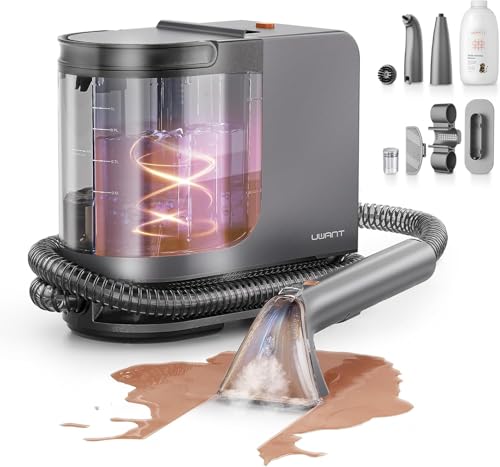
- Upholstery cleaning kit for linen fabric
- Steam cleaner for linen upholstery
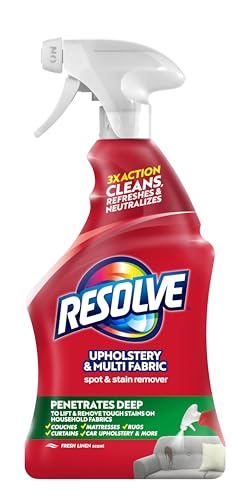
- Stain remover spray for linen upholstery fabric
- Lint roller for linen upholstery cleaning
- Fabric brush for cleaning linen upholstery

Before You Start
Before cleaning, check the furniture’s care label for linen-specific instructions and test any product on a hidden seam or cushion corner. Ensure the room is well ventilated and vacuum the upholstery thoroughly to remove loose debris. If the fabric is delicate, avoid saturating with water and limit steam exposure. Avoid using bleach or harsh solvents, which can weaken linen fibers and alter color. Estimate cleaning time as 30–90 minutes depending on the fabric’s condition.
Step-By-Step: How To Clean Belgian Linen Upholstery
- Vacuum the surface with a fabric brush attachment to remove loose dust and pet hair.
- Apply a light dusting with a lint roller to lift surface fibers and prevent embedding particles.
- Treat stains with a targeted stain remover spray for linen upholstery fabric. Blot—do not rub—to lift the stain from the fiber.
- For deeper cleaning, use an upholstery cleaning kit for linen fabric following the kit’s instructions, testing first on a hidden area.
- If using a steam cleaner for linen upholstery, set to a low heat and low moisture level. Work in small sections, holding the steamer a few inches away from the fabric.
- Gently brush the nap with a fabric brush while the fabric is slightly damp to lift fibers and restore texture.
- Allow the furniture to air dry completely, ideally with good airflow or a fan. Avoid direct heat sources during drying.
- Re-inspect after drying and repeat spot treatment if any stains remain. Vacuum again to remove loosened particles.
- Finish with a lint roller or soft brush to refresh the surface and keep linen fibers looking neat.
- For persistent odors or stubborn stains, repeat the process or consult the fabric label for professional cleaning recommendations.
Troubleshooting
| Symptom | Likely Cause | Fix | Prevention |
|---|---|---|---|
| Stain reappears after cleaning | Stain was set or not fully removed | Repeat treatment with stain remover and blotting; avoid rubbing | Address stains promptly; use pretreatment |
| Fabrics feels stiff after cleaning | Excess cleaning product or over-wetting | Rinse lightly with distilled water if safe and brush nap | Limit moisture; use minimal product |
| Color fading in sunlit area | Excess sun exposure | Move furniture away from direct sun or use UV-protective covers | Position away from windows |
| Nap appears crushed | Heavy brushing or over-wetting | Gently brush with a fabric brush in one direction | Avoid aggressive brushing |
Common Mistakes
- Using too much water or soak cleaning fabrics, which can lead to mold or fiber distortion.
- Rubbing stains aggressively, which drives pigment deeper into linen fibers.
- Ignoring fabric care labels or using incompatible cleaners on linen upholstery.
- Overloading the surface with cleaning products, leaving residues behind.
Tips For Best Results
- Test cleaners on a hidden area to prevent color bleed or fabric damage.
- Work in a well-ventilated space to speed up drying and reduce odors.
- Use the lint roller regularly to keep the linen nap uniform and free of lint.
- Schedule periodic professional cleaning for heavily used pieces to maintain longevity.
Call A Professional
Seek professional help if the upholstery has large, stubborn stains, persistent odor, or visible water damage. Stop immediately if the fabric label instructs “dry clean only” or if cleaning could void the warranty. Seek a professional cleaner who specializes in linen fabrics and can assess fiber integrity before proceeding.
FAQ
Is linen upholstery easy to clean at home?
Yes, with careful spot treatment, mild cleaners, and light steam, many Belgian linen fabrics respond well to at-home cleaning when done gently.
Can I use bleach on linen upholstery?
No. Bleach can weaken fibers and ruin color. Use stain removers formulated for linen instead.
How often should I clean linen upholstery?
Light brushing and vacuuming weekly, with a deeper clean every 6–12 months depending on use and exposure.
What if a stain won’t come out?
Consult the fabric care label and consider a professional cleaning for persistent stains.
Does steam cleaning damage linen?
When used on a low setting and kept at a safe distance, steam can refresh linen upholstery without harming fibers.
Can I clean cushions separately?
Yes, remove cushion covers if possible and clean them following the same precautions, ensuring thorough drying before reassembling.
Should I use a fabric protector after cleaning?
Fabric protectors can help resist future stains, but test compatibility with linen first.
Buying Guide
When selecting cleaning options for Belgian linen upholstery, consider size, noise level, energy efficiency, controls, and placement. A compact upholstery cleaning kit is convenient for small spaces, while a steam cleaner with adjustable settings benefits larger homes. Look for a kit that includes a gentle stain remover spray suitable for linen fabrics, a lint roller, and a fabric brush to maximize cleaning effectiveness without damaging fibers. For homes with pets or high foot traffic, choose tools that minimize moisture and reduce fiber abrasion. Finally, consider the placement of furniture—avoid harsh cleaning tools near delicate seams and ensure consistent airflow during drying.