Keeping work boots clean extends their life, maintains grip, and preserves leather. A proper cleaning routine removes dirt, oils, and odor while preparing boots for conditioning and waterproofing. This guide provides a practical, step-by-step method using common boot cleaning products and tools for American users.
Quick Answer
First, remove loose dirt with a stiff brush, then clean with a leather cleaner. Next, dry naturally away from direct heat, apply conditioner, and finish with a waterproofing spray. For odors, use an odor eliminator spray designed for work boots. Regular maintenance helps boots last longer and stay comfortable.
What You’ll Need
- stiff nylon boot brush for leather work boots
- work boot cleaning kit leather cleaner conditioner brush
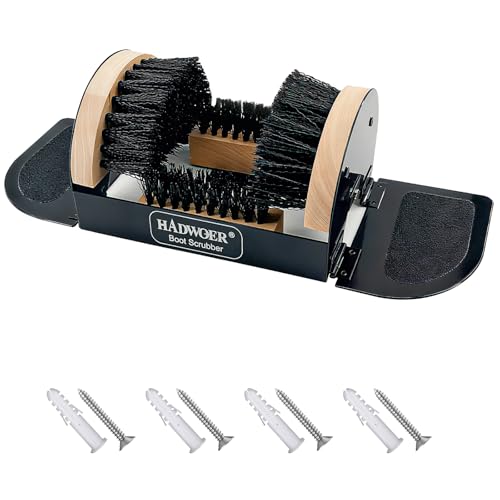
- boot cleaning brush with scraper mud remover
- waterproofing spray for leather work boots 8 oz
- odor eliminator spray for work boots cedar 4 oz


Before You Start
Prepare a clean workspace and test a small area if you’re unsure how leather reacts to cleaners. Use soft, breathable gloves if you have sensitive skin. Remove laces to allow full access to the tongue and vamp. Work in a cool, shaded area; heat can dry leather too quickly and cause cracking. The process typically takes 20–40 minutes per cleaning session, depending on boot condition.
Step-By-Step: How To Clean Work Boots
- Remove laces and set them aside; inspect boots for embedded dirt in seams.
- Use the stiff nylon boot brush to knock off loose dirt and grip mud from the tread.
- Apply a small amount of leather cleaner from the work boot cleaning kit onto the brush and work in circular motions over all exterior leather surfaces.
- For stubborn grime, switch to the boot cleaning brush with scraper mud remover and gently lift dried mud without scratching the leather.
- Wipe off excess cleaner with a damp cloth; allow boots to air dry away from direct heat sources.
- Once dry, apply a leather conditioner from the cleaning kit to restore suppleness; rub in evenly and let absorb.
- Shake or lightly spray waterproofing spray for leather work boots over the entire surface, following product directions; let dry thoroughly.
- Re-lace boots and store in a cool, dry place; consider applying the odor eliminator spray for work boots if odor persists after drying.
- Repeat the routine monthly during heavy use or seasonal changes, and after exposure to water or mud for best results.
- For leather in poor condition, repeat cleaning and conditioning in shorter intervals to maintain flexibility and protective film.
- Regular maintenance includes brushing after shifts and re-applying waterproofing every few months or as needed.
Troubleshooting
| Symptom | Likely Cause | Fix | Prevention |
|---|---|---|---|
| Leather feels stiff after cleaning | Insufficient conditioning | Apply a generous layer of conditioner and allow longer absorption | Condition quarterly; avoid over-cleaning |
| Water fails to bead after waterproofing | Uneven application or unsuitable climate | Reapply evenly in dry conditions | Follow drying times and apply in multiple light coats |
| Persistent odor | Absorbed smell in lining | Use odor eliminator spray and allow full drying | Ventilate boots after each use |
| Leather cracks after drying | Leather dried too quickly or was overexposed to heat | Rehydrate with conditioner and avoid direct heat | Air-dry in shade; test products on inconspicuous area |
Common Mistakes
- Using household detergents or harsh solvents that dry leather
- Skipping drying time or applying heat to speed up drying
- Inadequate conditioning after cleaning, leading to stiffness
- Over-wetting leather, which can weaken seams
Be mindful of how much product is used and always follow manufacturer directions for each item.
Tips For Best Results
- Brush boots before cleaning to minimize abrasion and remove dirt.
- Test any product on a small, hidden area first to gauge leather response.
- Store boots with breathable inserts to prevent moisture buildup.
- Use a dedicated boot cleaning kit to simplify maintenance and ensure compatibility with leather.
- Schedule routine cleanings after wet or muddy shifts to extend leather life.
Call A Professional
Consult a cobbler or leather care specialist if boots show deep cracking, severe moisture damage, or sole separation. Stop using cleaners that cause discoloration or hollowness in the leather, and seek professional assessment when structural integrity is in doubt.
FAQ
Can I use soap to clean work boots?
Soap can dry leather if used improperly; use a dedicated leather cleaner designed for boots and follow directions carefully.
Should I waterproof boots after every cleaning?
Waterproofing after cleaning helps maintain protection, but follow product instructions and allow full drying between steps.
How often should I condition leather boots?
Condition every 1–3 months depending on use and climate; heavily used boots may require more frequent conditioning.
What if my boots get soaked?
Allow to air dry away from direct heat, then clean, condition, and re-waterproof to restore protective properties.
Buying Guide
When selecting boot care products, consider size, compatibility with leather, and application ease. Look for a complete kit that addresses cleaning, conditioning, and odor management. Factors to compare include the following:
- Size and packaging: Choose 8 oz or larger bottles for extended use and easy storage.
- Noise level is not relevant for cleaning gear but consider spray nozzle design for even distribution.
- Energy efficiency applies to packaging materials and refillability—opt for eco-friendly formulations where available.
- Controls / odor control: Select products with clear directions and odor neutralizers that suit odor severity.
- Placement: A dedicated cleaning area helps prevent cross-contamination with other gear and keeps footwear separate from clothing.
- Material compatibility: Ensure cleaners and conditioners are formulated for leather and do not contain caustic solvents.
- Waterproofing longevity: Compare drying times and protection duration; reapply per product guidance after heavy use or exposure to moisture.
- Odor control: Choose cedar-based or other natural odor eliminators for long-lasting freshness.
Thinking about a full kit or individual products? A well-rounded setup typically includes a stiff brush, a leather cleaner, a conditioner, a mud scraper brush, a waterproofing spray, and an odor eliminator. Consider your boot material, usage environment, and climate to select the best match. Ready to refresh your work boots for the next shift?