Keeping a mattress clean is essential for a healthier sleep environment. This guide outlines a practical, step-by-step approach to deep cleaning a mattress using common household tools and stain-removal products. Readers will learn how to remove visible grime, odors, and dust mites while preserving mattress integrity.
The following steps emphasize safe handling, effective stain treatment, and long-lasting freshness. The methods avoid harsh chemicals where possible and leverage specialized cleaners designed for upholstery and mattresses.
Quick Answer
Deep clean a mattress by removing surface debris, treating stains with a targeted cleaner, deodorizing, and drying thoroughly. Use a vacuum with a HEPA filter, follow with a mattress cleaning spray, and finish with an enzymatic stain remover for tough spots. Allow ample drying time before rematting.
What You’ll Need
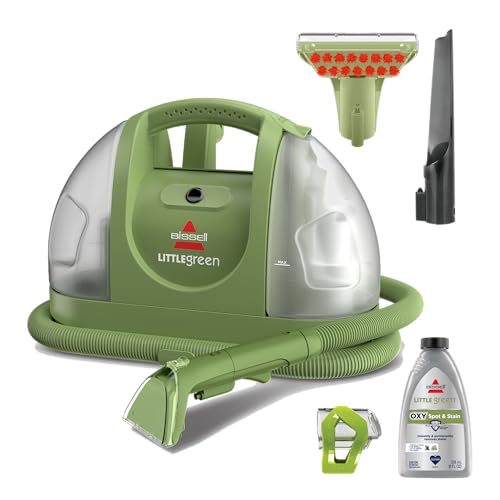
- Steam cleaner for mattress upholstery deep clean
- Carpet and upholstery cleaner for mattress stains
- Enzymatic mattress stain remover spray
- HEPA vacuum mattress dust mite cleaner
- Mattress cleaning spray deodorizer


Before You Start
Prepare the area by removing bedding and exposing the entire mattress surface. Ventilate the room and protect floors with a drop cloth. Test cleaning products on a small, inconspicuous area first to ensure there is no discoloration. Time estimate: 60–120 minutes, depending on mattress size and drying conditions. Important: avoid soaking the mattress; excessive moisture can lead to mold growth and odors.
Step-By-Step: How To Deep Clean A Mattress
- Strip and protect: Remove all bedding, pillows, and any fabric covers. Shake out or vacuum nearby to reduce loose debris before cleaning.
- Vacuum thoroughly: Use a HEPA vacuum mattress dust mite cleaner with an upholstery attachment. Vacuum the entire surface, including edges and seams, to remove dust, skin cells, and allergens.
- Spot-treat stains: Apply a carpet and upholstery cleaner for mattress stains to any visible spots. Gently blot rather than rub to avoid pushing stains deeper.
- Handle embedded stains: For stubborn marks, spray an enzymatic mattress stain remover and let it sit according to product instructions before blotting again. Enzymes break down organic matter like sweat and oils.
- Deodorize: Lightly mist the mattress with a deodorizing spray designed for fabrics. This helps neutralize odors without leaving a heavy fragrance.
- Steam refresh (optional): If using a steam cleaner for mattress upholstery deep clean, follow the device’s instructions. Use short, even passes and avoid over-wetting the surface.
- Drying phase: Allow the mattress to dry completely. Open windows or use a fan to accelerate air circulation. A blow-dryer set on cool air can help in damp areas, but avoid heat that could damage the fabric.
- Re-check and refresh: Once dry, give a final vacuum to lift fibers and restore texture. Reapply a light cleaning spray if needed for lingering odor.
- Replace bedding: After the mattress is dry, replace sheets and begin regular upkeep with a mattress protector to extend cleanliness.
- Maintenance cadence: Plan quarterly deep cleans or use spot-cleaning after spills to maintain overall hygiene.
- Safety note: Do not use harsh bleaches or solvents on latex or memory foam mattresses unless the product instructions permit it.
Troubleshooting
| Symptom | Likely Cause | Fix | Prevention |
|---|---|---|---|
| Persistent odor after cleaning | Residual moisture or absorbed odors | Re-deodorize and extend drying time; use an enzymatic cleaner | Use a thin layer of baking soda between cleanings (before final vacuum) |
| Stains reappearing | Deep-set stains or improper blotting | Reapply enzymatic remover and blot from outside in | Treat spots promptly; avoid rubbing into fibers |
| Fabric feels damp | Over-wetting during cleaning | Increase ventilation; use fans; re-vacuum once dry | Apply cleaners sparsely; test moisture beforehand |
| Allergen exposure after cleaning | Dust not fully removed | Thorough HEPA vacuuming and frequent mattress protector use | Regular vacuuming schedule |
Common Mistakes
- Over-wetting the mattress, which slows drying and invites mold
- Using harsh cleaners that damage fabric or foam
- Rubbing stains aggressively, which can spread them deeper
- Skipping a proper drying period, leading to odor and microbial growth
Tips For Best Results
- Test cleaners on a small area first to check colorfastness
- Work from the top surface to the bottom to maximize efficiency
- Pair cleaning with a protective mattress cover to simplify future maintenance
- Use a HEPA-filter vacuum to reduce allergen exposure during cleaning
- Schedule deep cleans at least every 3–6 months, more often with pets or allergies
Call A Professional
Consider a professional if the mattress shows mold, severe staining, or persistent odors after multiple cleanings. Seek expert help when cleaning old foam that may release off-gassing or if the mattress requires disassembly beyond consumer capabilities. Stop cleaning and contact a pro if you notice swelling, structural damage, or if you have immune-compromising conditions.
FAQ
Can I use a steam cleaner on a memory foam mattress?
Yes, but use it with caution and follow manufacturer guidelines to avoid over-wetting and foam damage.
Is enzymatic cleaner safe for fabrics?
Enzymatic cleaners are generally safe for fabrics but test first on a hidden area.
How long should a mattress dry after cleaning?
Typically 4–12 hours depending on humidity and ventilation; ensure it is completely dry before use.
Should I use baking soda after cleaning?
Baking soda can help neutralize odors; sprinkle lightly and vacuum after a few hours.
Is a mattress protector worth it?
Yes, a protector helps prevent stains and makes future cleaning easier.
Do all cleaners require rinsing?
Most upholstery cleaners do not require rinsing, but always follow product instructions.
What if I have allergies?
Use a HEPA vacuum and hypoallergenic cleaning sprays designed for sensitive individuals.
Buying Guide
When selecting products for deep-cleaning a mattress, consider size, materials, and cleaning efficacy. Key buying factors include:
- Size compatibility: Choose tools and cleaners that fit your mattress dimensions and access hard-to-reach seams.
- Noise and convenience: Quieter steamers and spray cleaners reduce disruption during use.
- Energy efficiency: Efficient vacuums and low-dwell-time cleaners save energy and time.
- Controls and usability: Simple spray bottles, trigger controls, and indicator lights help accuracy.
- Placement and airflow: Ensure the area supports adequate airflow to accelerate drying; consider a ventilated room or fan setup.
- Protection and maintenance: Pair products with a durable mattress protector to extend intervals between deep cleans.
For best results, compare kits that combine a HEPA vacuum, enzymatic stain remover, and a deodorizing spray. Look for products designed specifically for mattresses or upholstered fabric to ensure safe use on foam and fiber layers. Consider reading user reviews focused on stain removal effectiveness and drying times to align expectations with real-world experiences.