Hardie board siding, made from fiber cement, offers durability and curb appeal for American homes. Cleaning it properly protects the exterior finish and prolongs its lifespan. This guide provides practical steps, tools, and safety notes to help homeowners restore siding without damaging the surface.
Quick Answer
Best method: use a soft wash approach with a mild cleaner designed for cement fiber siding and a gentle brush or low-pressure spray. Avoid high-pressure washers that can chip the surface. Always test a small area first and work from bottom to top to prevent streaks.
What You’ll Need
- James Hardie fiber cement siding cleaner
- Hardie plank siding pressure washer safe cleaner
- mildew remover for cement fiber siding
- soft wash solution for Hardie siding
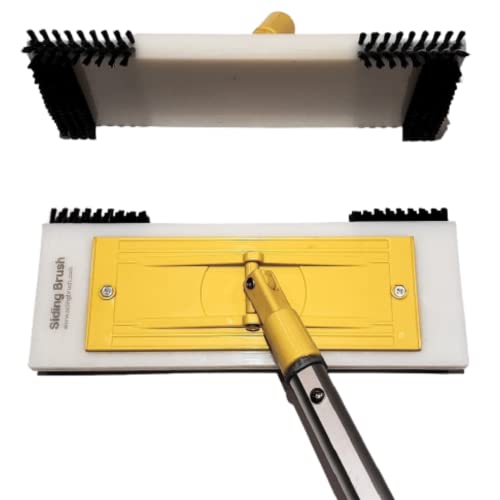
- fiber cement siding cleaning brush kit

Before You Start
Prepare a shaded work area and protect nearby plants with water or plastic sheeting. Wet the siding first to reduce suction from cleaning solutions. Wear eye protection and gloves. Avoid power washing directly at joints or caulked seams as it can loosen sealants and damage edges. Plan a dry-in period after cleaning to prevent new staining from environmental debris.
Step-By-Step: How To Clean Hardie Board Siding
- Inspect the siding for damaged panels, loose caulk, or loose fasteners and address any issues before cleaning.
- Rinse the surface with a gentle water spray to remove loose dirt and cobwebs.
- Mix a mild cleaner designed for fiber cement siding following the product label instructions.
- Apply the cleaner using a low-pressure sprayer from bottom to top, covering one panel at a time.
- Allow the solution to dwell for 5–10 minutes, but do not let it dry on the surface.
- Gently scrub with a fiber cement siding cleaning brush kit or a soft-bristle brush, focusing on stained or mildewed areas.
- Rinse from bottom to top with a low-pressure spray until all residue is removed.
- For stubborn mildew, apply mildew remover for cement fiber siding to the affected areas and rinse thoroughly.
- If you encounter mold or algae, repeat the treatment and ensure complete rinsing to prevent residue.
- Dry the siding with a clean cloth or allow it to air-dry; avoid direct sun if possible during cleaning to minimize spotting.
- Inspect the finish after drying; touch up any missed spots as needed and recaulk if joints show wear.
Troubleshooting
| Symptom | Likely Cause | Fix | Prevention |
|---|---|---|---|
| Streaking after rinse | Improper rinsing or drying too quickly | Re-rinse with even strokes; avoid direct sunlight during cleaning | Clean on overcast days or early morning |
| Surface discoloration | Residue from cleaner or mineral deposits | Rinse thoroughly; re-wash affected areas | Use a rinse-only approach in future |
| Delamination at seams | Excess pressure or damaged sealants | Pause cleaning; inspect and reseal joints | Avoid high-pressure on edges |
| Stubborn mildew | Deep-set mildew in porous fibers | Apply mildew remover for cement fiber siding and repeat | Regular maintenance; address moisture sources |
Common Mistakes
- Using high-pressure washers on fiber cement siding
- Letting cleaner dry on the surface before rinsing
- Using abrasive brushes that scratch the finish
- Skipping a test patch on a hidden area
Tips For Best Results
- Test cleaning products on a small, inconspicuous area first to ensure compatibility with Hardie siding.
- Rinse from bottom to top to prevent dirty water from running onto cleaned areas.
- Schedule cleaning during cooler parts of the day to reduce streaks and drying marks.
- Keep doors and windows closed during cleaning to prevent moisture intrusion.
- For large homes, consider renting a soft-wloat or using a pro for sections above reach.
Call A Professional
Consider contacting a professional if the siding shows extensive damage, requires extensive mildew remediation, or if the home has tall or multi-story elevations that are difficult to reach safely. Stop cleaning and seek help if caulk around windows or seams appears compromised or if paint or coating layers show wear beyond cleaning needs.
FAQ
What cleaner should I use for Hardie siding?
Use cleaners labeled for fiber cement siding, such as James Hardie or similar soft-wash solutions, designed to safely remove mildew and dirt without damaging the surface.
Can I power wash Hardie board siding?
Avoid high-pressure power washing; use a low-pressure, soft-wash approach to prevent surface damage and moisture intrusion.
How often should I clean fiber cement siding?
Industry guidance suggests annual cleaning or as-needed to remove mildew and environmental staining, with more frequent cleaning in humid climates.
Will cleaning remove mildew permanently?
Many mildews can be removed with the appropriate cleaner and technique, but persistent mildew may require specialized products and repeated treatment.
Is it necessary to seal Hardie siding after cleaning?
Fiber cement siding typically does not require sealing; check manufacturer recommendations and inspect caulked joints for wear.
What if the siding is damaged during cleaning?
Stop immediately and consult a professional for repairs to prevent water intrusion and further damage.
Can I clean around landscaping with mulch?
Protect plants with plastic sheeting or water rings before applying cleaners to minimize chemical exposure.
Buying Guide
When selecting products to clean Hardie board siding, consider factors such as product compatibility with fiber cement, cleaning strength, and ease of use. The key buying factors include:
- Size and concentration: Choose ready-to-use formulas or concentrates you can dilute for the job size.
- Noise level (if using a washer): Look for models with low-to-moderate noise to minimize disruption in neighborhoods.
- Energy efficiency (if renting equipment): Select electric machines with energy-efficient motors and good water flow control.
- Controls and spray patterns: A versatile spray wand and adjustable nozzle help tailor cleaning pressure for delicate areas.
- Placement and reach: For multi-story homes, ensure equipment can safely reach upper elevations or plan to hire a pro.
With the right tools, cleaning Hardie board siding becomes a manageable DIY project that preserves curb appeal without damaging the exterior. Always prioritize safety, test products in small areas, and follow label directions for best results.