Accidents happen, and upholstery fabrics can absorb odors and stains quickly. This guide provides practical, step-by-step methods using common cleaners to remove vomit and neutralize odors from fabric furniture in an American home setting. The approach balances effective stain removal with fabric safety to protect fibers and color.
Quick Answer
Act fast to blot excess moisture, then use a stain remover designed for upholstery and an enzymatic cleaner to break down organic matter and odors. Always test on an inconspicuous area first, ventilate the room, and allow the fabric to dry completely before reuse.
What You’ll Need
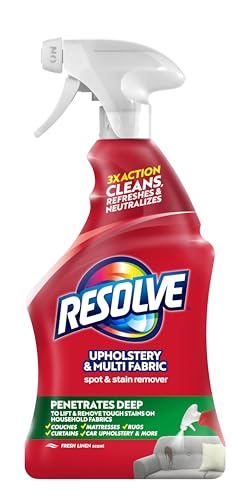
- Vomiting stain remover for upholstery fabric
- Enzymatic upholstery cleaner for vomit odor
- Upholstery fabric stain remover spray for pet vomit
- Furniture cleaning spray with odor eliminator and enzymes
- Handheld upholstery cleaner machine for stains and odors


Before You Start
Preparation helps prevent set-in stains and mildew. Move cushions away from the area, remove excess solids with a paper towel, and blot lightly to avoid grinding debris into fibers. Wear gloves and consider a mask if you are sensitive to odors. Open windows or run a fan to improve airflow. Time estimates vary by fabric but plan for 1–3 hours from start to finish, plus additional drying time. Conduct a patch test on a hidden area to confirm the cleaner won’t discolor or weaken the fabric.
Step-By-Step: How To Clean Vomit From Upholstery
- Blot the area gently with a clean cloth to remove as much moisture as possible without rubbing.
- Spray a light, even coat of vomit stain remover for upholstery fabric onto the affected area, following the product’s instructions.
- Let the cleaner sit for the recommended dwell time to loosen soils and emulsify the proteins.
- Blot again with a dry cloth, lifting loosened material from the fibers.
- If odor persists, apply an enzymatic upholstery cleaner for vomit odor to the area and allow it to work as directed.
- Use a handheld upholstery cleaner machine to extract moisture and residues, working in gentle, overlapping passes.
- Rinse lightly with clean water or a dedicated upholstery rinse, then extract thoroughly to remove cleaning residues.
- Repeat the cleaning cycle if needed, focusing on any lingering stains or smells.
- Allow the fabric to air dry completely. Use fans or a hair dryer on a cool setting if the fabric is heat-safe to speed drying.
- Once dry, inspect the fabric. If any stain or odor remains, reapply the appropriate cleaner in a restrained manner and repeat the steps.
- Return cushions to their places after confirming dryness to prevent moisture trapping and mold risk.
Troubleshooting
| Symptom | Likely Cause | Fix | Prevention |
|---|---|---|---|
| Stain reappears after drying | Residual proteins or set-in dye | Repeat cleaning with enzymatic cleaner; test a small area first | Act quickly after accidents |
| Fabrics feel stiff after cleaning | Excess cleaning residue | Rinse thoroughly with clean water and extract | Use the recommended rinse step and avoid over-wetting |
| Strong odor persists | Odor trapped in fibers | Apply enzymatic cleaner and ventilate; consider odor-neutralizing spray after drying | Ventilate well during and after cleaning |
| Color change or lighter spot | Harsh chemical or over-wetting | Test area, dilute cleaner if allowed, and dry promptly | Always perform spot tests |
Common Mistakes
- Skipping a spot test on an inconspicuous area before treating the stain
- Over-wetting upholstery, which slows drying and promotes mildew
- Using abrasive scrubbing that frays fabric fibers
- Relying on a single cleaner for all odors and soils
Considering the variety of fabrics, it helps to choose cleaners designed for upholstery and odors rather than household cleaners not intended for textile use.
Tips For Best Results
- Work from the outer edge of the stain toward the center to prevent spreading.
- Use enzymes to break down organic matter; they are effective for vomit odors.
- Follow product dwell times and do not rush the drying process—proper drying reduces odor recurrence.
- Always remove excess moisture before applying enzymatic cleaners to avoid dilution of the product.
- Keep cleaning tools dedicated to upholstery to prevent cross-contamination with other surfaces.
Call A Professional
If the stain covers a large area, the odor remains after multiple cleaning attempts, or the fabric is delicate (silk, suede, velvet), consider professional upholstery cleaning. Seek help if there are persistent odors, visible dye bleed, or fabric shrinkage concerns. Professionals can tailor methods to fabric type and might use specialized equipment and deodorizing agents.
FAQ
What should I do first after a vomit accident on upholstery?
Blot up as much liquid as possible with a clean cloth, then apply a suitable upholstery stain remover according to the product directions.
Can enzymatic cleaners remove vomit odors completely?
Enzymatic cleaners break down organic matter and can significantly reduce odors, especially when used as directed and allowed to dwell.
Is it safe to use a handheld extractor on all fabrics?
Most common upholstery fabrics respond well, but always test a hidden area first and avoid heat if the fabric isn’t heat-safe.
How long should upholstery dry after cleaning?
Drying times vary by fabric and environment, but plan for several hours; ensure the area is well-ventilated and avoid putting cushions back until dry.
What if the stain is on a delicate fabric?
Delicate fabrics may require gentler cleaners or professional care to prevent damage or dye transfer.
Can I use household cleaners for vomit on upholstery?
Household cleaners not labeled for upholstery can damage fabrics; use products specifically designed for upholstery and odors.
Should I replace cushions after a vomiting incident?
Replacing cushions is not always necessary; cleaning thoroughly with the right products often restores the fabric, provided there is no persistent odor or damage.
Buying Guide
Choosing the right products for upholstery cleanup involves considering stain removal power, odor control, fabric compatibility, and ease of use. Key buying factors include:
- Size and coverage: Choose a stain remover or cleaner line that suits the typical area you treat; larger bottles can be more economical for frequent incidents.
- Noise level and portability: A handheld machine should be comfortable to operate and not overly loud, especially in living spaces with guests present.
- Energy efficiency and power usage: If you use an electric upholstery cleaner, choose energy-efficient models or those with energy-saving modes.
- Controls and ease of use: Look for simple spray patterns, clear dwell time instructions, and indicator lights for dry-down.
- Placement and storage: Consider where you’ll store cleaning supplies and the machine; choose compact, easy-to-store products when space is limited.
Additionally, review odor-eliminating enzymes and product compatibility with your furniture fabric. For homes with pets or small children, multi-action sprays that combine stain removal and odor control can simplify cleanup. If you remain unsure which products best suit your upholstery, consult product labels and consider a small-gauge test on a hidden area first.