Retaining walls add structure and curb appeal to landscapes, but grime, algae, and mineral deposits can dull their look. This guide explains a practical, step-by-step approach to cleaning retaining wall blocks using common tools and beginner-friendly methods. The approach balances effectiveness with care to avoid damage to the blocks or surrounding soil.
Quick Answer
Use a pressure washer with a surface scrub brush, a stiff nylon deck brush, and a non-acid cleaner to tackle tough grime. For delicate areas, switch to a low-pressure setting and a gentler cleaning solution. Finish with a masonry sealer to protect the surface and extend the clean look.
What You’ll Need
- Electric pressure washer, around 2000 psi, suitable for concrete blocks
- Pressure washer surface scrub brush attachment for concrete blocks
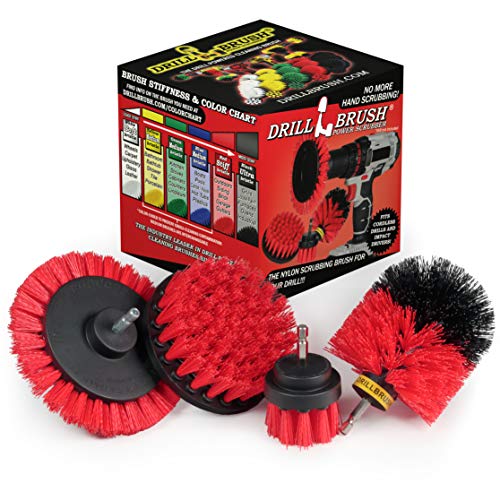
- Masonry cleaning brush, stiff nylon deck brush for block walls
- Non-acid concrete cleaner concentrate for block walls
- Masonry sealer applicator kit, roller brush for concrete blocks
- Protective gloves, eye protection, and footwear
- Water source and garden hose for dilution and rinsing


Before You Start
Preparation reduces risk and improves results. Inspect the wall for loose or damaged blocks and, if found, repair before cleaning. Move plants, furniture, and any fragile soil around the wall. Test cleaner on a small, inconspicuous area to ensure colorfastness. Protect nearby surfaces with plastic sheeting or painter’s tape if needed. Time estimate: 2–4 hours for typical residential walls, depending on size and stain level. Safety cautions: never aim the pressure washer at skin or eyes, and avoid pressure angles that could peel mortar. Use a sweep or kettle technique to prevent streaking on vertical surfaces.
Step-By-Step: How To Clean Retaining Wall Blocks
- Attach the pressure washer surface scrub brush to the wand. Set the machine to a moderate pressure, typically around 1500–2000 psi, and a wide spray pattern to minimize mortar damage.
- Mix a non-acid concrete cleaner concentrate according to the product instructions in a spray bottle or a bucket. Test a small area first. Apply the cleaner evenly over the wall, letting it sit the recommended dwell time to loosen dirt and algae.
- Use the surface brush to agitate the wall in a systematic pattern—start from the top and work downward, moving in sections to prevent drying lines. Maintain a consistent distance from the wall to avoid etching.
- Switch to the stiff nylon deck brush for stubborn stains or moss in the mortar lines. Work the brush along the joints to dislodge mineral buildup without eroding mortar.
- Rinse with the pressure washer on a lower pressure setting (or use a garden hose for the final rinse) to flush away loosened dirt. Rinse from top to bottom to prevent streaks.
- For areas with deeply ingrained staining, repeat the cleaner application and brushing cycle. Do not allow cleaner to dry on the surface, as it can leave residues.
- Once clean, allow the wall to dry completely. Inspect for any remaining stains and repeat targeted brushing if needed.
- Apply a masonry sealer with the applicator kit, following the manufacturer’s instructions. Apply evenly using the roller brush, and avoid over-application near plant beds or soil levels.
- Clean tools and equipment promptly after finishing. Store cleaning products according to label directions and away from children and pets.
Troubleshooting
| Symptom | Likely Cause | Fix | Prevention |
|---|---|---|---|
| Streaks after cleaning | Inconsistent spray or dry areas | Re-wet and go over with uniform passes | Maintain steady pace and pressure |
| Mildew or algae returns quickly | Underlying moisture or porous surface | Use a mold-preventive cleaner and re-seal | Ensure proper drainage and seal after cleaning |
| Discoloration on blocks | Cleaner left on surface | Rinse thoroughly; test new cleaners on hidden area | Work in shaded sections to reduce drying |
| Mortar damage after cleaning | Excessive pressure | Lower psi and use gentler brush | Choose appropriate nozzle and technique |
Common Mistakes
- Using high pressure too close to the wall, which can damage mortar and loosen blocks.
- Rushing the cleaning process and letting cleaner dry on the surface.
- Choosing acidic cleaners for concrete blocks, which can etch mineral deposits and harm the color finish.
- Neglecting to seal after cleaning, leading to faster re-soiling and weathering.
Tips For Best Results
- Test cleaners on a small area before full application to verify color stability.
- Keep the spray nozzle at a slight angle and move in even, overlapping passes.
- Pre-wet nearby plants and soil to minimize cleaner exposure; rinse thoroughly afterward.
- Schedule sealing after the wall is fully dry and free of soap residues for best adhesion.
- Consider periodic cleaning every 1–3 years, depending on climate, shade, and moss growth.
Call A Professional
Consider contacting a pro if any of the following apply: large walls with extensive staining, structural cracks or mortar damage, sensitive landscaping adjacent to the wall, or if you are unsure about using a pressure washer safely. Professionals can assess wall integrity, choose appropriate cleaners, and apply sealers without risking damage to the blocks or surrounding property.
FAQ
What PSI is best for cleaning concrete blocks?
Generally, 1500–2000 psi is effective for most block walls when paired with a surface scrub brush and non-acid cleaner. Keep the nozzle at a safe distance and avoid direct high-pressure contact with mortar joints.
Can I use household bleach to clean retaining wall blocks?
Bleach is not recommended for routine cleaning of block walls, as it can degrade mortar and discolor finishes. Use non-acid concrete cleaners designed for masonry.
Is sealing necessary after cleaning?
Sealing helps protect the wall from moisture, staining, and algae growth. It is typically recommended after a thorough cleaning and fully dry surface.
How do I prevent mold growth on blocks after rain?
Regular cleaning and keeping the area dry with good drainage reduces mold growth. Sealing the wall adds a moisture barrier that helps limit future buildup.
What should I do if the wall has cracked mortar?
Do not pressure wash cracked areas. Instead, repair cracks first or consult a professional for mortar repair and sealing recommendations.
Can I clean a brick retaining wall the same way?
Yes, but adapt the cleaning solution and brush stiffness to protect the brick surface and mortar. Always test on a small area first.
How often should I reseal after cleaning?
Most walls benefit from resealing every 3–5 years, depending on weather exposure and foot traffic near the wall.
Buying Guide
Choosing the right tools and products for cleaning retaining wall blocks depends on wall material, climate, and staining. Consider size, noise level, energy efficiency, controls, and placement when selecting equipment and cleaners.
- <bSize and reach: A wall with multiple heights benefits from a longer wand and a larger cleaning reach to minimize ladder use.
- <bNoise level: Electric models are typically quieter than gas-powered units, which is preferable for residential settings and near neighbors.
- <bEnergy efficiency: Electric pressure washers with efficient pumps reduce energy use and heat exposure during extended cleaning sessions.
- <bControls: Look for adjustable pressure settings, easy-to-use spray tips, and compatible attachments like surface scrub brushes and deck brushes.
- <bPlacement: If the wall sits near gardens or pathways, choose tools that minimize spray bounce and overspray; a surface scrub brush helps maintain consistent contact without harsh pressure.
When evaluating products, prioritize compatibility with masonry cleaners and sealers. A complete kit with a roller brush for sealer application reduces the number of purchases and simplifies maintenance. Does the setup fit the wall’s height, texture, and local climate? A well-chosen system delivers cleaner results with less effort and reduces the risk of damage or staining.