Cleaning the bottom of a toilet is essential for hygiene and odor control in any bathroom. This guide provides a practical, step-by-step approach that works for most homes and surfaces. It covers safety considerations, product options, and proven techniques to remove buildup without damaging the porcelain.
Quick Answer
Use a toilet brush with a long extendable handle or a curved toilet brush for hard-to-reach spots, paired with a toilet bowl cleaner or pumice stone for stubborn stains. Wipe under the rim with a disposable cleaning wand when appropriate, then rinse and flush. For ongoing upkeep, repeat weekly and address mineral deposits promptly.
What You’ll Need
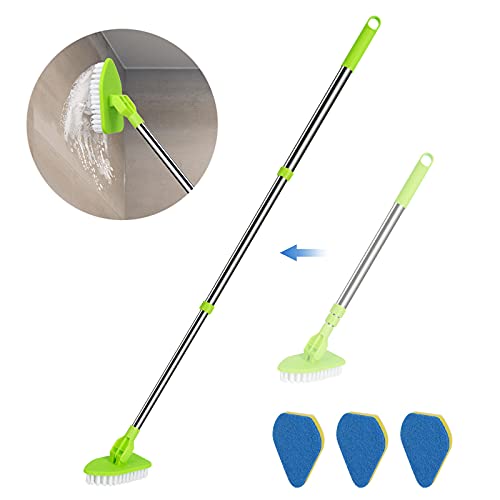
- Toilet bowl brush with long extendable handle
- Pumice stone toilet bowl cleaner for hard water stains
- Disposable toilet cleaning wand with replaceable heads
- Curved toilet brush with flexible reach
- Stiff bristle toilet brush with extended handle


Before You Start
Prepare the bathroom area by removing rugs or items near the toilet to prevent splashes. Ventilate the room if possible to reduce fumes from cleaners. Wear gloves to protect skin and consider eye protection if splashing is a concern. Time estimates vary, but plan around 20–40 minutes for a thorough cleaning. Do not mix cleaners that can release harmful gases, such as ammonia and bleach.
Step-By-Step: How To Clean The Bottom Of A Toilet
- Put on gloves and gather all tools. Choose a tool that can reach under the rim and along the bottom edge without scraping the porcelain.
- Apply a cleaner concentrated on mineral buildup or rust stains. For hard water deposits, use a pumice stone toilet bowl cleaner and gently rub stained areas with steady, vertical strokes.
- Use a long extendable handle brush to reach under the rim and scrub the bottom basin. Focus on crevices where buildup tends to accumulate.
- Switch to a curved toilet brush with flexible reach to clean behind the toilet bolts and along the curved interior corners. Use small circles to avoid scratching.
- If there are stubborn spots, lightly reapply cleaner and let it sit for a few minutes before scrubbing again. Avoid excessive pressure that could scratch the glaze.
- For topside and under-rim areas, employ a disposable toilet cleaning wand with replaceable heads to reach tight gaps without reintroducing dirty tools into the bowl.
- Rinse the bowl by flushing with the lid closed or by briefly pouring warm water into the bowl to help flush debris away.
- Rinse tools thoroughly after use and allow them to dry. Store in a ventilated area to prevent mildew.
- Inspect the bottom again after flushing. If any mineral buildup remains, repeat the appropriate cleaning step in a targeted area.
- Wipe exterior surfaces of the seat and lid to complete the cleaning job and reduce cross-contamination risks.
- Dispose of or sanitize disposable wand heads per manufacturer instructions. Replace reusable heads as needed.
- Put away cleaning products securely, and return items to their storage place.
Troubleshooting
| Symptom | Likely Cause | Fix | Prevention |
|---|---|---|---|
| Stains reappear quickly | Residual mineral deposits | Reapply pumice stone cleaner and scrub; consider a weekly maintenance routine | Regular cleaning schedule; address hard water issues if present |
| Scratches on porcelain | Overly aggressive scrubbing or abrasive cleaners | Switch to non-abrasive cleaners and soft brushes; avoid metal scourers | Choose appropriate tools for finishes; test on a small area first |
| Odor persists after cleaning | Hidden buildup under rim or around bolts | Inspect under rim and behind bolts with a curved brush; clean thoroughly | Maintain weekly cleaning focusing on hard-to-reach areas |
| Cleaner won’t remove hard water stains | Stains are mineral-rich or lime scale | Use pumice stone cleaner with gentle pressure; alternate with vinegar-based cleaner if safe for your toilet | Prevent mineral buildup with regular cleaning and water softening if feasible |
Common Mistakes
- Using harsh abrasives on delicate porcelain surfaces
- Ignoring under-rim and behind-bolts areas where buildup hides
- Neglecting to rinse tools after use, leading to cross-contamination
- Mixing cleaners that release harmful fumes or reactions
- Procrastinating maintenance after hard water signs appear
Tips For Best Results
- Schedule regular cleanings to prevent severe buildup; a weekly 10–15 minute routine can be effective.
- Use a combination of tools: long-handle brushes for reach, a curved brush for corners, and a pumice stone for mineral stains.
- Test a small, inconspicuous area before applying stronger cleaners to avoid damage.
- Keep waste and replacement heads organized to minimize cross-contamination.
- Rinse thoroughly after cleaning to avoid streaks and residue that can attract grime.
Call A Professional
Consider a professional plumber or cleaning service if there is persistent staining that refuses to come off with standard methods, if there are visible cracks or damage to the porcelain, or if mineral buildup has caused clogging or drainage issues. Seek help promptly for any signs of leaks, persistent odors despite cleaning, or unusual toilet mechanics.
FAQ
What tools are best for cleaning under the toilet rim?
Long extendable handles and curved brushes are effective at reaching under the rim without kneeling or awkward positions.
Can I use a pumice stone on all toilets?
Most porcelain toilets tolerate pumice stone when used gently, but avoid applying to glazed areas of delicate surfaces or colored finishes unless the manufacturer allows it.
How often should I clean the bottom of the toilet?
Aiming for a weekly clean helps prevent buildup; deeper cleaning can be scheduled monthly or as needed based on water hardness and usage.
Are disposable cleaning wands sanitary?
Disposable wands reduce cross-contamination when used properly; replace heads after each use or per the manufacturer’s guidelines.
Buying Guide
When choosing tools to clean the bottom of a toilet, consider size, reach, and material compatibility. A long extendable handle minimizes bending and helps reach under the rim. Look for brushes with curved heads or flexible bristles to access hard-to-reach corners. For stubborn mineral deposits, a pumice stone cleaner can be effective, but test first to avoid scratching glossy surfaces. A disposable toilet cleaning wand can offer convenience and hygiene for quick touch-ups. Finally, ensure you have compatible cleaners that won’t mix to release harmful fumes and follow the manufacturer’s safety instructions.
Size And Fit
Hand tools should feel comfortable in your grip and offer enough reach to clean the entire bowl without stretching. Handles of 12–18 inches are common, with some extendable models reaching 24 inches or more for larger bathrooms.
Noise Level And Energy Use
Cleaning tools themselves are silent; any noise comes from scrubbing action. Choose non-metal bristles and avoid metal-on-glass contact to reduce noise and potential damage.
Energy Efficiency And Maintenance
Using water-efficient cleaners or vinegar-based solutions can minimize chemical use and environmental impact. Regular tool cleaning and proper drying extend tool life and maintain performance.
Controls And Accessibility
Opt for tools with straightforward assembly and replacement heads to simplify routine maintenance. Disposables add convenience for quick cleanups but require careful disposal per local guidelines.
Placement And Storage
Store cleaning tools in a ventilated cabinet or open rack to dry between uses. Keep cleaners away from children and pets and ensure lids are securely closed to prevent spills.