Keeping a ceramic hob clean preserves its glossy surface and ensures even heat transfer. This guide walks American homeowners through a practical, step-by-step method using common tools designed for glass-ceramic cooktops. The focus is on safe cleaning, effective degreasing, and preventing scratches so the hob stays clear and bright.
Whether your kitchen features a small apartment range or a full-size range, regular maintenance reduces stubborn stains and makes daily cooking easier. The steps below are designed for homeowners who want a reliable routine that minimizes scrubbing time while protecting the hob’s finish.
Quick Answer
What to do in a pinch: wipe loose crumbs with a microfiber cloth, apply a glass cooktop degreaser spray with a sponge applicator, let it sit briefly, and wipe with a non-abrasive scrub pad. For burned-on residues, use a ceramic hob cleaning kit with scraper gently, then polish with microfiber cloths.
What You’ll Need
The following tools and materials are recommended to clean a ceramic hob effectively. Each item is chosen for compatibility with glass-ceramic surfaces and for minimizing scratches.
- Ceramic hob cleaning kit with scraper
- Stovetop scraper blade and handle
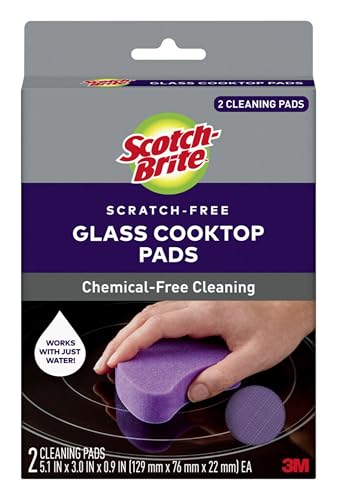
- Non-abrasive scrub pad for glass ceramic hob
- Microfiber cloths for glass cooktop cleaning
- Glass cooktop degreaser spray with sponge applicator

Before You Start
Prepare the area by removing cookware and letting the hob cool completely before cleaning. Work on a cool surface to avoid thermal shock that can crack the glass. Clear the surrounding counters and keep cleaning products away from heat sources. Test a small, inconspicuous area first if you are unsure about a spray or pad. Typical time for a standard clean is 15–30 minutes, while deeper restoration can take longer.
Safety cautions: never place hot pans on a wet surface, avoid abrasive steel wool, and keep liquids away from control knobs to prevent electrical issues. If you notice cracks or significant damage, stop cleaning and consult a professional.
Step-By-Step: How To Clean A Ceramic Hob
- Let the hob cool completely, then remove loose debris with a dry microfiber cloth.
- Apply a small amount of glass cooktop degreaser spray onto the surface using the sponge applicator.
- Allow the cleaner to sit for 30–60 seconds to break down grease and dried spills.
- Gently wipe with a microfiber cloth, following the grain of the glass for an even finish.
- For stuck-on residue, use the stovetop scraper blade and handle with light, upright pressure. Scrape away from the edge to avoid pushing debris into the gaps.
- Use a non-abrasive scrub pad to address stubborn spots, applying gentle circular motions. Do not press hard or use metal tools.
- Wipe the surface clean with a fresh microfiber cloth to remove any remaining residues and streaks.
- Inspect for streaks; if needed, apply a bit more degreaser and buff with a clean cloth for a polished look.
- Return pots and pans, ensuring bottoms are dry to prevent water marks.
- For a routine maintenance wipe, spray a light film of cleaner, wipe dry, and buff to a shine after each use.
- Store tools in a designated area and wipe down the work surface to keep the kit ready for the next clean.
Troubleshooting
| Symptom | Likely Cause | Fix | Prevention |
|---|---|---|---|
| Streaks after cleaning | Residual cleaner or water spots | Buff with a dry microfiber cloth until no residue remains | Wipe with a dry cloth after each cleaning and avoid using too much liquid |
| Scratches or dull patch | Use of abrasive tools or metal scrapers | Switch to non-abrasive scrub pads and the plastic scraper | Only use approved tools designed for glass-ceramic surfaces |
| Persistent burnt-on stains | Leftover spills heated repeatedly | Apply degreaser, let sit longer, repeat a gentle scrape | Clean spills promptly after cooling |
| Water marks around edges | Moisture at the seams | Dry edges with a microfiber cloth and wipe the seams | Dry surfaces thoroughly after cleaning |
Common Mistakes
- Using abrasive pads or steel wool on glass-ceramic surfaces
- Cleaning while the hob is still hot
- Over-wetting the surface with cleaner or water
- Neglecting to remove heavy spills before they burn on
Proactive care reduces buildup and extends the glossy finish. A quick wipe after cooking helps maintain the look and performance of the hob.
Tips For Best Results
- Always work with the hob cool to avoid thermal shock.
- Use a dedicated stovetop scraper blade and handle for tough residues.
- Choose a non-abrasive scrub pad that does not scratch glass.
- Keep microfiber cloths clean and dry for streak-free results.
- Schedule a light weekly clean and a deeper monthly clean to manage grease buildup.
Call A Professional
Contact a professional if you notice cracks, chips, or discoloration that does not respond to routine cleaning. If cleaning products cause sensitivity, irritation, or if there is any sign of electrical issues near the controls, stop and seek help from a licensed technician.
FAQ
Can I use regular kitchen cleaners on a glass ceramic hob?
Yes, but choose products specifically formulated for glass-ceramic surfaces to avoid etching or residue buildup.
Is a scraper safe for my ceramic hob?
Yes, a plastic or soft-edged silicone scraper designed for glass cooktops is recommended to prevent scratches.
How often should I clean the hob?
Daily wipe-down after cooking and a deeper clean weekly work well for most households.
What should I do about stubborn stains?
Apply degreaser, let it sit, and use the scraper and non-abrasive pad with light pressure. Repeat as needed.
Buying Guide
When selecting cleaning tools for a ceramic hob, consider size compatibility with your cooktop, material safety, and ease of use. Look for a dedicated ceramic hob cleaning kit with a scraper, a spare blade, and a comfortable handle for extended use. A non-abrasive scrub pad should be gentle enough for glass while effective on baked-on spills. Microfiber cloths provide lint-free, streak-free finishes. A glass cooktop degreaser spray with a sponge applicator offers controlled application and minimized mess. Consider a compact kit for smaller apartments or a robust set for larger households to maintain a pristine surface over time.