Jeans are a staple in most American wardrobes, but stains can put a damper on their look. This guide outlines practical, step by step methods to tackle common stains on denim using accessible tools and safe practices. Readers will learn quick fixes, which products work best for different stains, and how to prevent future marks from ruining favorite pairs.
Quick Answer
Act fast when stains appear. Blot, don’t rub, then treat with a denim-friendly stain remover or a gentle cleanser. For tough marks, use targeted tools like a stain removal brush, a denim-specific sponge, or a garment stain remover pen. Always test a hidden area first and rinse thoroughly before washing as usual.
What You’ll Need
- Stain removal brush for jeans denim
- Garment stain remover pen for clothes
- Denim stain remover sponge
- Cloth cleaning brush for jeans stains
- Laundry stain removal roller brush
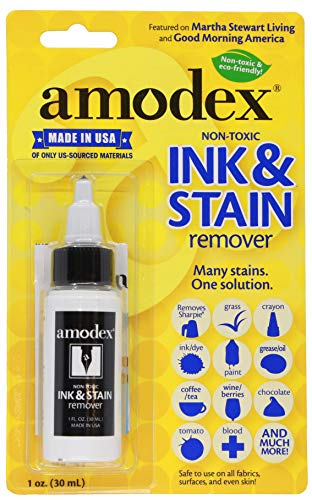 |
Amodex Ink & Stain Remover 1oz Bottle | |
 |
The Laundress Stain Brush, Laundry Brush for Stain Removal, Stain Brush for Clothes, Small Brush for Cleaning Small Spaces, Home Cleaning |
Before You Start
Identify the stain type (oil-based, protein-based, dye transfer) and check care labels on the jeans. Always test any cleaner on an inconspicuous area before applying to visible spots. Work in a well-lit area and use cool or lukewarm water to avoid setting stains. Avoid heat until the stain is fully removed, as heat can set many stains permanently. Plan for a short stain treatment session—most effective results come from patience and repeat applications if needed.
Step-By-Step: How To Remove Stains From Jeans
- Blot excess liquid with a clean cloth or paper towel without rubbing to prevent spreading.
- Rinse the stained area with cold water from the back of the fabric to push the stain out of the fibers.
- Apply a small amount of garment stain remover pen for clothes directly to the stain and let it sit per product instructions.
- Gently work the product into the fabric using a denim stain remover sponge in a circular motion.
- For stubborn spots, use a stain removal brush for jeans denim to lift the stain with light scrubbing pressure.
- Rinse again with cold water and check the stain. If faint, repeat treatment; if gone, proceed to wash as usual.
- Wash jeans on the usual cycle with cold or warm water and a mild detergent. Avoid hot water for pretreating stains.
- Air dry the jeans and inspect. If any mark remains, repeat steps or apply a fresh treatment before rewashing.
- For dye transfer stains, wash with color-safe detergent and consider a second wash with a color-safe detergent if necessary.
- If the stain remains after multiple attempts, consider professional cleaning to minimize fabric damage.
- Store clean jeans in a dry area away from direct sunlight to prevent future discoloration.
- Document which method worked best for future reference on similar stains.
Troubleshooting
| Symptom | Likely Cause | Fix | Prevention |
|---|---|---|---|
| Stain reappears after washing | Heat setting or incomplete removal | Re-treat with cold water and repeat washing | Avoid hot washes until stain is fully removed |
| Stain becomes darker | Rubbing or using harsh cleaners | Switch to gentle cleaners and blot gently | Test cleaners first and blot, not rub |
| Fabric seems faded | Overuse of cleaners or vigorous scrubbing | Reduce agitation and use milder products | Use time-tested denim-safe products |
| Oil stain persists | Protein-based stain treated with incorrect agent | Use enzyme-based cleaner suitable for oils | Treat oil stains promptly |
| Discoloration on seams | Bleach or strong cleaners | Switch to color-safe cleaners and test first | Avoid concentrated chemicals on seams |
Common Mistakes
- Rubbing stains aggressively, which embeds the pigment deeper into denim fibers
- Using hot water or heat before confirming stain removal
- Skipping a test patch on an inconspicuous area
- Waiting too long to treat a stain, especially oil-based ones
Addressing stains promptly with correct tools helps maintain denim integrity and appearance over time.
Tips For Best Results
- Work on a clean, flat surface to prevent recontamination of fabric.
- Choose stain removers designed for denim or fabric type to avoid fiber damage.
- For delicate jeans with embellishments, use gentler tools like the denim stain remover sponge.
- Always rinse thoroughly to remove residue that could attract more dirt.
- Air-dry to better assess whether the stain is gone before machine drying.
Call A Professional
Seek professional cleaning if stains are large, old, or set after multiple DIY attempts. Stop and consult a cleaner when:
- Stains cover a large area or affect structural fibers
- Color fading or bleaching occurs after attempts
- Fabric is delicate, distressed, or labeled as dry clean only
FAQ
Can I use a regular detergent to treat jeans stains?
Detergent can help during washing but is usually not enough for tough stains; use a targeted stain remover first for better results.
What should I do if a stain is on dark indigo jeans?
Test a small area with a color-safe stain remover, then treat using a product appropriate for dark denim and rinse well to prevent color loss.
Is rubbing with a brush safe for all denim?
Use gentle scrubbing and a denim-specific tool to avoid fiber damage; aggressive brushing can wear threads over time.
Should I wash stained jeans with other clothes?
Wash stained jeans separately or with similar colors to avoid dye transfer and further soiling of other garments.
What if the stain is oil-based?
Use an enzyme-based cleaner designed for oils and repeat treatment before washing for best results.
Do I need to dry jeans outside after treatment?
Air dry in a shaded area to prevent sun fading; avoid direct heat until you’re sure the stain is removed.
Are there natural methods that work on jeans?
Mild baking soda paste or white vinegar solutions can help with certain stains, but they are not as reliably effective as dedicated stain removers.
Buying Guide
When selecting products to remove stains from jeans, consider factors like stain type, fabric weight, and ease of use. The right tools can simplify maintenance and extend the life of denim pairs.
Key buying factors include size and form (pens, sponges, brushes, or roller brushes), compatibility with denim, packaging and portability, and safety considerations for skin contact. For example, the stain removal brush for jeans denim and the denim stain remover sponge are compact options for on-the-go touch-ups, while a garment stain remover pen for clothes offers targeted application that minimizes excess product.
Noise level and energy efficiency are less relevant for non-electrical tools, but if choosing an electric roller brush, evaluate motor speed, heat generation, and durability. Placement considerations include storing supplies near the laundry area for quick access and preventing cross-contamination between products.
Compare performance across stain types (oil-based, protein-based, dye transfer) and read customer reviews about real-world results on jeans. Look for clear usage instructions, visible fabric safety notes, and return policies in case a product doesn’t meet expectations.