Keeping glasses clean while protecting the lenses from scratches is essential for clear vision and long-lasting wear. This guide covers practical, safe methods using common cleaning tools designed for eye protection without compromising coatings or lens integrity.
Readers will learn step-by-step techniques, what to use and avoid, and how to maintain lenses in top condition with simple routines that work for most eyeglass frames.
Quick Answer
Use a gentle cleaning routine that combines a lubricating spray or a dedicated anti-scratch lens solution with a soft, lint-free cloth. For stubborn dust, use a lens cleaning brush before wiping, and always rinse with lukewarm water if particles are stubborn. Avoid abrasive fabrics, household cleaners, and hot water.
What You’ll Need
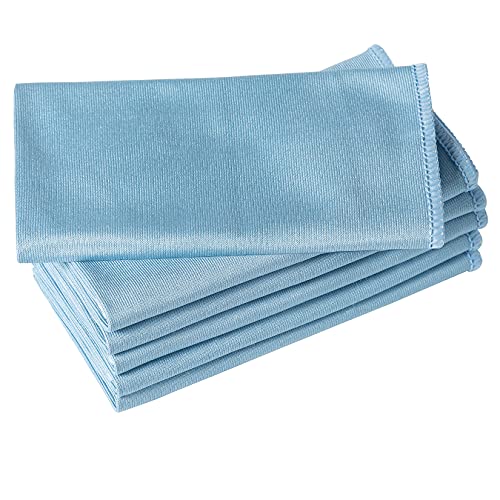
- Microfiber eyeglass cleaning cloth ultra soft
- Eyeglass cleaning spray anti scratch lens solution
- Lint-free microfiber glasses cleaning cloth kit
- Anti-static eyeglass cleaning wipe individually wrapped
- Lens cleaning brush for glasses dust removal


Before You Start
Prepare a clean, dust-free workspace and wash hands to remove oils. If lenses have coatings (antireflective, hydrophobic, or Scratch-Resist), use products labeled safe for those coatings. Warm water can help remove oils but avoid hot water that may warp frames or degrade coatings. Avoid harsh cleaners, ammonia-based products, and rough or dirty cloths.
Time estimate: about 5 to 10 minutes per cleaning session, depending on lens condition. For frequent cleaning, establish a routine to prevent buildup of oils and dust.
Step-By-Step: How To Clean Glasses Without Scratching
- Rinse the lenses under lukewarm running water to loosen dust and debris, especially if you’ve been outdoors or sweating.
- Apply a small amount of eyeglass cleaning spray anti scratch lens solution to both sides of each lens or onto a lint-free microfiber glasses cleaning cloth kit.
- Gently rub the lenses in a circular motion, starting at the center and moving outward to remove oils without applying excessive pressure.
- Use a lens cleaning brush for glasses dust removal to lift any remaining particles from the lens edges and crevices.
- Dry the lenses with a microfiber eyeglass cleaning cloth ultra soft, using smooth, even strokes. Do not rub in a harsh back-and-forth motion.
- For stubborn smudges, apply another light mist of the anti-scratch solution and repeats steps 3–5 with clean sections of the cloth.
- Wipe the frames carefully, ensuring no cleaner drips into hinges or nose pads. Use a dry section of the cloth to finish.
- Store the cleaned glasses in a protective case, away from dust and sharp objects, until next use.
- If you wear contact or face masks often, consider applying anti-static wipes to reduce static dust clinging to lenses between cleanings.
- Regularly replace cloths and wipes to maintain efficacy and avoid reintroducing oils onto lenses.
Troubleshooting
| Symptom | Likely Cause | Fix | Prevention |
|---|---|---|---|
| Cloudy look after cleaning | Residue from cleaner or cloth fibers | Re-clean with a fresh microfiber cloth and a small amount of lens solution | Use a lint-free cloth and avoid over-wetting |
| Scratches appear after cleaning | Abrasive material or dirty cloth | Inspect cloth for debris; switch to a clean microfiber cloth | Keep cleaning cloths dedicated to eyewear; wash regularly |
| Streaks on lenses | Uneven drying or oily film | Dry with circular motions using a clean section of cloth | Use proper lens spray and avoid household cleaners |
| Cloth leaves lint | Low-quality fabric | Switch to a premium lint-free microfiber kit | Wash cloths before first use; air-dry |
Common Mistakes
- Using paper towels, tissues, or rough fabrics on lenses
- Spraying cleaner directly onto lenses if not designed for coatings
- Cleaning with dirty or damp cloths that transfer oils
- Rubbing too hard or using hot water
- Neglecting to dry lenses completely, leaving water spots
Tips For Best Results
- Always hold lenses under gentle running water before wiping to remove dust that can scratch when rubbed in.
- Use a dedicated anti-scratch lens solution designed for eyewear to protect coatings.
- Keep a dedicated microfiber cloth or kit in your bag or at work for quick touch-ups.
- Rotate among cloths to prevent oil transfer from one fabric to another lens surface.
- Store glasses in a protective case to minimize exposure to dust and environmental contaminants.
Call A Professional
Consider professional help if lenses are heavily scratched, coatings appear peeling, or visual distortion persists after cleaning. Seek an optician or eyewear technician for lens replacement or coating repair rather than attempting DIY fixes that could worsen damage.
FAQ
Can I use household window cleaner on my glasses?
No. Household cleaners can strip lens coatings and cause surface damage. Use products labeled safe for eyewear or dedicated lens cleaners.
Is it better to rinse first or spray first?
Rinse first with lukewarm water to remove loose dust, then apply a lens cleaner or spray as directed.
What if my cleaning cloth becomes fuzzy or dirty?
Replace or wash using a mild detergent; ensure it is fully dry before reuse to avoid lint transfer.
How often should I replace my microfiber cloths?
Inspect regularly; replace when fibers are frayed, stained, or retain oils that hinder cleaning.
Buying Guide
Key buying factors for cleaning glasses without scratching help readers choose safe, effective tools:
- Size and coatings: Lenses with anti-reflective or hydrophobic coatings require gentler products. Look for cleaners labeled safe for coatings and employees worn on glasses.
- Noise level and energy: Not applicable to cleaning; consider the environment where you clean and store your glasses to minimize dust exposure.
- Controls and ease of use: Simple spray bottles or pre-moistened wipes with clear instructions reduce misuse. Choose products that are easy to dispense and avoid excess liquid.
- Placement and portability: Kits with a soft case or carry pouch keep items organized and prevent contamination. A small brush can be a practical add-on for travel.
- Material quality: Opt for premium microfiber cloths labeled lint-free and ultra-soft to prevent micro-scratches while lifting oils effectively.
- Included items: Consider bundles that include microfiber cloths, lens spray, and a brush for comprehensive cleaning, while ensuring each item complements coatings.
To optimize results, prioritize products designed specifically for eyewear and coated lenses. A simple routine that combines a gentle spray, a lint-free cloth, and a brush often reduces buildup and extends lens life.