Fish oil supplements offer omega-3 fatty acids but can leave a lingering odor in the mouth. This guide explains practical, everyday steps to reduce fish oil breath and keep your mouth feeling fresh throughout the day. It covers tools, routines, and when to seek professional help if the problem persists.
Following a structured routine can help control halitosis linked to fish oil. The strategies below focus on cleaning the tongue and teeth effectively, moderating odor-causing bacteria, and choosing products designed to combat persistent breath odor tied to dietary supplements.
Quick Answer
Combo approach: use a dedicated tongue cleaner, brush and floss regularly, rinse with an antibacterial mouthwash, and consider a tongue-cleaning toothbrush or water flosser to target odor-causing bacteria. If the odor persists, switch to a mint-flavored spray for quick freshening and consult a dentist if symptoms continue.
What You’ll Need
- Tongue scraper stainless steel for bad breath from fish oil
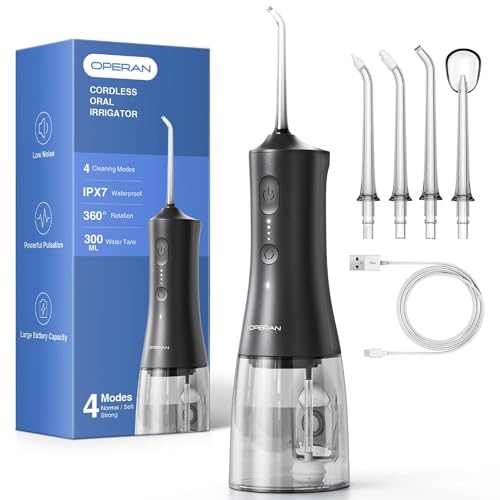
- Water flosser for halitosis fish oil breath
- Electric toothbrush with tongue cleaning feature for fish oil breath
- Antibacterial mouthwash for bad breath from fish oil
- Mint flavored breath freshening spray for fish oil breath


Before You Start
Before beginning, ensure you have a clean, well-lit bathroom and a mirror for easy inspection. Start with a consistent routine twice daily, plus a mid-day rinse if you consume fish oil supplements or have noticeable odor in the afternoon. Avoid harsh brushing immediately after taking fish oil to prevent gum irritation. If you wear dental work, verify compatibility with mouthwashes and sprays to avoid damage. Time estimates: about 5–7 minutes per brushing session and 2–3 minutes for tongue cleaning and flossing.
Step-By-Step: How To Get Rid Of Bad Breath From Fish Oil
- Rinse your mouth with plain water to loosen any surface residue from fish oil before brushing.
- Brush thoroughly with an electric toothbrush that includes a tongue cleaning feature, paying special attention to the back of the tongue where odor bacteria concentrate.
- Use a tongue scraper stainless steel for bad breath from fish oil to remove coating from the tongue. Scrape from the back to the front, rinsing the scraper as needed.
- Floss between teeth to remove plaque and food particles that contribute to odor. A water flosser can supplement this step, especially for hard-to-reach areas.
- Rinse with an antibacterial mouthwash for bad breath from fish oil to reduce bacteria and freshen breath. Avoid mouthwash with high alcohol content if you experience dryness.
- Apply a mint flavored breath freshening spray for fish oil breath for immediate odor suppression. Use as needed between brushing sessions.
- Consider a daily routine that includes mouthwash and tongue cleaning on the tongue cleaner and toothbrush. Consistency is key for long-term results.
- Limit use of fish oil supplements right before social activities if possible, or take them with a strong flavored meal to help mask odor naturally.
- Stay hydrated to keep saliva production steady, which helps control odor-causing bacteria.
- If morning breath remains strong, repeat the routine after breakfast and mid-day if needed.
- Schedule regular dental checkups to address any underlying causes of persistent halitosis beyond fish oil breath.
Troubleshooting
| Symptom | Likely Cause | Fix | Prevention |
|---|---|---|---|
| Persistent fishy odor after brushing | Residual bacteria on tongue | Intensify tongue cleaning routine and consider a daily antibacterial rinse | Maintain consistent tongue cleaning |
| Dry mouth after using mouthwash | Alcohol-based formulas | Switch to a non-alcohol antibacterial mouthwash | Hydrate and avoid excessive mouthwash use |
| Breath improves briefly but returns | Fish oil breath source ongoing | Adjust timing of fish oil intake and increase brushing/tongue cleaning | Integrated routine twice daily |
| Dents or mouth irritation | Harsh brushing | Switch to soft brush head and gentler technique | Gentle brushing after meals |
Common Mistakes
- Relying on mouthwash alone to mask odor without cleaning the tongue or teeth.
- Brushing too hard, which can irritate gums and create more odor sensitivity.
- Skipping tongue cleaning or not using a dedicated tongue scraper.
- Using the same mouthwash every day without rotation to address different bacteria.
Incorporating the right sequence—tongue cleaning, brushing, flossing, rinsing—helps ensure that each step complements the others for better results.
Tips For Best Results
- Use a water flosser for halitosis fish oil breath to dislodge debris from gum lines and between teeth, especially if you wear braces or have irregular surfaces.
- Match your mouthwash and spray to your daily routine; rotating flavors can help reduce palate fatigue and improve compliance.
- Drink water throughout the day to maintain saliva flow and wash away lingering oil particles.
- Keep a travel kit with a small tongue scraper, a travel toothbrush with a tongue cleaning feature, and a pocket spray for on-the-go freshness.
Call A Professional
If symptoms persist for more than a few weeks despite consistent home care, consult a dentist or dental hygienist. Seek immediate care if there are accompanying symptoms such as persistent pain, swelling, or a sudden change in breath odor that does not correlate with diet or fish oil intake. A clinician can assess for underlying dental issues or medical conditions contributing to halitosis.
FAQ
Q: Will a tongue scraper help with fish oil breath?
A: Yes, a stainless steel tongue scraper targets the bacteria coating on the tongue that often causes fishy odors.
Q: Is a water flosser effective for fish oil breath?
A: A water flosser can improve cleaning between teeth and along the gum line, reducing odor-causing buildup.
Q: Can mouthwash alone fix fish oil breath?
A: Mouthwash helps, but it works best when combined with tongue cleaning, brushing, and flossing.
Q: Should I stop taking fish oil to reduce breath?
A: Not necessarily; consider timing the dose or taking it with meals to minimize odor, along with improved oral hygiene.
Q: How often should I clean my tongue?
A: Daily tongue cleaning, ideally twice daily, yields the best results for persistent breath concerns.
Q: When should I see a dentist?
A: If odor persists after several weeks of home care or if other symptoms appear, schedule a dental evaluation.
Buying Guide
Key buying factors help select the right tools and products for managing fish oil breath:
- Size and design: Choose a compact tongue scraper and a travel-friendly toothbrush with a built-in tongue cleaner for easy daily use.
- Noise level: Electric toothbrushes with quiet motors minimize disruption in shared spaces and encourage regular use.
- Energy efficiency: Long-lasting battery life for electric devices ensures reliable daily use without frequent recharges.
- Controls and features: Look for a tongue cleaning mode on your electric brush and adjustable water pressure on a water flosser to tailor cleaning strength.
- Placement: Store kits in a dry, accessible drawer or vanity bin to maintain hygiene and encourage consistent routines.
- Brand compatibility: Ensure mouthwash and sprays are compatible with your dental work and any sensitivities.
- Flavor and freshening duration: Mint flavors and long-lasting sprays provide convenient, odor-control options for daily use.
For best results, combine high-quality tools with consistent daily routines. The goal is to reduce odor-causing bacteria while keeping breath fresh throughout the day, especially after taking fish oil supplements or meals that tend to accentuate the smell.