Leather items require careful treatment to preserve color, texture, and integrity. This guide provides practical steps to tackle common stains on leather, suede, and bonded leathers using readily available tools and products. Readers will learn hands-on methods, when to use specialized products, and how to avoid damage during cleaning.
Quick Answer
Act quickly when a stain appears. Blot gently with a clean microfiber cloth, test cleaners on an inconspicuous area, and use a dedicated leather stain remover kit for tough marks. For persistent stains, a leather repair kit with stain remover compound can help restore appearance without harming the material.
What You’ll Need
- Leather stain remover kit
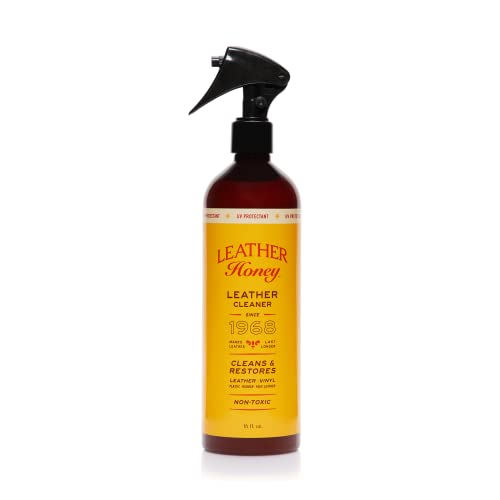
- Leather cleaner spray with conditioner
- Suede and leather cleaning brush set
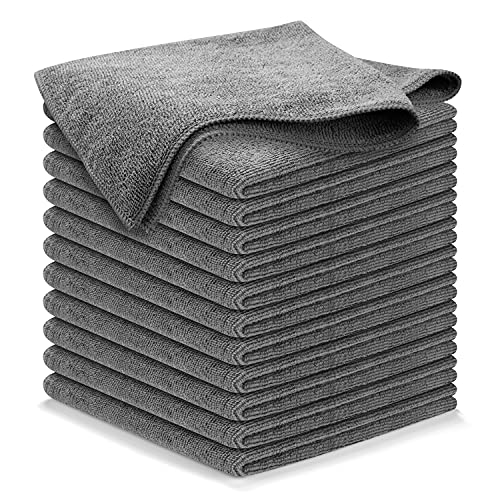
- Microfiber cloth for leather cleaning
- Leather repair kit with stain remover compound

Before You Start
Before cleaning, identify the type of leather and stain. Test any product on a hidden area to ensure colorfastness, as some cleaners can alter dye or finish. Work in a well-ventilated space, and avoid saturating the material. Avoid harsh solvents, ammonia, bleach, or abrasive tools unless specified by the product instructions. Allow the item to air dry completely between treatment steps, and keep cleaning sessions brief to prevent over-wetting.
Step-By-Step: How To Remove Leather Stains
- Gently blot fresh spills with a microfiber cloth to lift surface moisture; avoid rubbing that could spread the stain.
- If needed, apply a small amount of leather cleaner spray with conditioner to a clean cloth and test on a hidden area.
- Wipe the stained area using circular motions, starting from the outside toward the center to contain the stain.
- For ink, oil, or grease, apply a leather stain remover kit according to the package instructions and blot with a clean cloth as it works.
- For suede parts, use the suede and leather cleaning brush set gently in one direction to lift particles without altering nap.
- After stain removal, apply a leather conditioner to preserve suppleness and color uniformity; wipe away excess with a dry microfiber cloth.
- If the stain persists, repeat the targeted treatment or move to a leather repair kit with stain remover compound to restore the surface.
- Let the item dry completely away from direct heat or sunlight, then re-check the area for residual color change.
- Consider a professional restoration for deep or set-in stains that don’t respond to home methods.
Troubleshooting
| Symptom | Likely Cause | Fix | Prevention |
|---|---|---|---|
| Stain spreads after cleaning | Over-wetting or rubbing | Gently blot and use small circular motions; let dry between attempts | Test first; use minimal cleaner |
| Color loss or dull finish | Incompatible cleaner | Switch to a conditioner-inclusive cleaner; recondition after cleaning | Test on hidden area |
| Stain reappears after drying | Deep-set stain | Use specialized stain remover kit or leather repair kit | Treat promptly |
| Nap appears matted on suede | Aggressive brushing | Lightly brush with suede brush; avoid over-brushing | Gentle cleaning from the start |
Common Mistakes To Avoid
- Using household detergents not intended for leather
- Over-wetting leather during cleaning
- Rubbing vigorously or using abrasive tools on delicate finishes
- Skipping a patch test before applying cleaners
- Ignoring manufacturer care instructions for color and finish
Tips For Best Results
- Perform a patch test on an inconspicuous area before treating the stain.
- Work from the outside edge of the stain toward the center to prevent spreading.
- Use dedicated leather care products with conditioning agents to maintain suppleness.
- For suede, avoid water-based cleaners that can leave watermarks; opt for specialized suede care tools.
- Store leather items away from heat and direct sunlight to minimize dye migration.
Call A Professional
Seek professional help if stains are extensive, if the item is valuable, or if colorfastness cannot be confirmed. Signs to consult a pro include dye transfer to light fabrics, cracking, or a finish that appears uneven after multiple treatments. Do not attempt aggressive solvent cleaning on sensitive or vintage pieces.
FAQ
Can I use dish soap on leather?
Dish soap is not recommended for regular leather care; it can strip natural oils and cause drying. Use products designed for leather cleaning and conditioning.
Is it safe to clean suede with water?
Water can leave marks on suede; use specialized suede cleaners and brushes designed for delicate nap restoration.
How long should leather dry after cleaning?
Allow 24 hours of air drying away from heat or direct sunlight to ensure complete moisture release.
Will cleaning fade the color?
Color fade is possible with improper products. Always test first and use color-safe cleaners and conditioners.
Buying Guide
When selecting leather stain remedies, consider size, formula type, and compatibility with your leather type. A dedicated leather stain remover kit paired with a leather cleaner spray with conditioner offers targeted stain removal plus ongoing care. For suede or nubuck, ensure a suede-specific toolset is included. A microfiber cloth is essential for gentle blotting, while a leather repair kit with stain remover compound is valuable for stubborn or set-in stains. Consider the cleaning brush set for textured surfaces to avoid damaging nap or finish. Finally, assess storage and ease of use—filters and clear instructions help achieve consistent results at home.