A green pool can be caused by algae blooms, poor filtration, and imbalanced chemistry. With the right steps and simple tools, you can restore clarity and ensure safe, inviting water for swimming.
This guide provides a practical, step-by-step approach to turning a green, algae-filled pool back to sparkling blue. It uses common pool maintenance products and clearly explains when to seek professional help.
Quick Answer
Address algae with a combination of immediate shock treatment, proper brushing, filtration run-time, and chemical balancing. Start by testing water with a test kit, apply a granular pool shock, brush all surfaces, run the filter continuously, and re-test until levels are within safe ranges. If algae return, use an algaecide and a clarifier to stabilize clarity.
What You’ll Need
- pool algaecide for green water
- granular pool shock for algae treatment
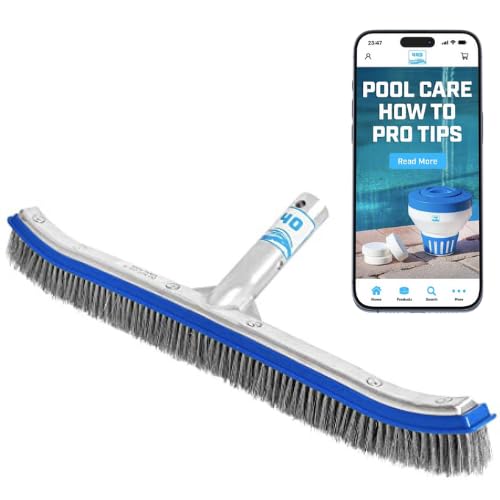
- stainless steel pool algae brush
- pool clarifier for cloudy green water
- pool test kit strips for chlorine pH and alkalinity


Before You Start
Ensure you understand local safety guidelines and pool rules. Clear the pool of debris, cover guests from entering the area, and remove any movable items. Time estimates vary by pool size, but plan for several hours to a full day depending on algae severity. Critical cautions include avoiding saltwater chlorine generators while shocking, not overdosing chemicals, and never mixing chlorine directly with acid.
Check that your filtration system is functioning, and verify that the pump can run continuously during treatment. If anyone has sensitive skin or respiratory issues, keep them away from the area until chemical levels normalize.
Step-By-Step: How To Clean A Green Pool
- Test your water using a pool test kit strips for chlorine, pH, and alkalinity to establish a baseline.
- Raise free chlorine with a granular pool shock for algae treatment to a level recommended on the product label.
- Brush all pool surfaces with a stainless steel pool algae brush to dislodge surface and wall algae.
- Run the filter continuously for 24–48 hours, checking pressure and backwashing as needed to remove debris.
- Add a pool algaecide for green water as a preventative and to enhance immediate effectiveness against remaining algae.
- Apply a pool clarifier for cloudy green water to join fine particles for easier filtration.
- Re-test water and adjust pH to around 7.2–7.6 and ensure alkalinity is within recommended range.
- Resume normal sanitization and maintain proper shock dosing schedule until the water clears.
- Resume standard filtration cycles with daily checks for several days after visible clarity returns.
- Run a final test to confirm chlorine at appropriate residual levels and re-balance as needed.
- Prevent future green water by maintaining regular cleaning, balancing chemicals, and keeping debris out of the pool.
Troubleshooting
| Symptom | Likely Cause | Fix | Prevention |
|---|---|---|---|
| Persistent green tint after treatment | Insufficient chlorine residual | Re-shock and re-test; adjust sanitizer levels | Maintain consistent chlorination schedule |
| Cloudy water | Particles not yet filtered | Use clarifier and run filter longer | Backwash regularly; clean cartridge/DE filter as needed |
| Algae reappears quickly | Imbalanced pH or alkalinity; poor circulation | Rebalance chemistry; fix circulation and filtration | Regular testing and routine brushing |
| Strong chlorine odor | High combined chlorine (chloramines) | Shock and ventilate area; adjust cleaning routine | Keep spa and pool chemistry in range |
Common Mistakes
- Overlooking proper test procedure or ignoring test results
- Using too little shock or applying products at incorrect dosages
- Brushing insufficiently or neglecting hidden corners and steps
- Stopping filtration too soon after algae appears cleared
Tips For Best Results
- Test water at least twice a week during active algae treatment to catch swings early.
- Brush all surfaces thoroughly, including behind ladders and steps, where algae hide.
- Keep a consistent sanitizer level to prevent regrowth after clearing
- Follow product labels for timing between steps to avoid chemical conflicts
- Consider using a clarifier only after heavy brushing if the water remains cloudy
Call A Professional
Seek professional help if the pool remains green after multiple rounds of shock and algaecide, if you notice persistent cloudy water that won’t clear, or if your filter shows persistent pressure problems. If you are unsure how to handle chemical dosages or have a broken pump, contact a licensed pool technician.
FAQ
How long does it typically take to clear a green pool?
Most pools begin to clear within 24–48 hours after aggressive shock, brushing, and filtration, though severe cases may take several days.
Can I swim while treating green water?
Usually not. Wait until chemical levels are safe and the water clears to avoid skin or eye irritation.
What is the best algaecide for green water?
Choose a algaecide formulated for green water and follow label directions for the best results.
Should I drain and refill the pool to fix green water?
Draining is rarely necessary and can waste water and upset chemistry; treatment with shock, clarifier, and proper balancing is typically sufficient.
Buying Guide
When choosing products to combat a green pool, consider the following factors to optimize results and ease maintenance.
- Size and pool type: Ensure you select products that are appropriate for your pool volume, surface (vinyl, plaster, fiberglass), and features.
- Shock product strength: Granular pool shock for algae treatment should be suitable for the pool’s algae severity and chlorine requirements.
- Algaecide compatibility: Look for products proven effective against common algae strains in residential pools and compatible with your sanitizers.
- Clarifier efficiency: A clarifier helps collect fine particles; ensure compatibility with your filtration system.
- Test kit accuracy: A reliable test kit strips for chlorine, pH, and alkalinity is essential for ongoing balance.
- Ease of use: Pick products with clear instructions and safe handling when used together.
- Energy and noise considerations: For long filtration cycles, consider energy-efficient pumps and quiet operation.
Are you comparing different brands or formulations? Consider reading product labels, customer reviews, and manufacturer guidance to match your pool’s needs. A well-balanced approach reduces maintenance time and keeps your pool ready for swimming.